Australia-India uranium export deal: Why Canberra finally said yes
Synopsis
After more than a decade of hesitation rooted in India's non-NPT status, Australia has finally agreed to export uranium to India — a shift driven by Quad-deepened trust, India's IAEA compliance record, and New Delhi's urgent push toward 100 GW of nuclear power by 2047. The deal, sealed in Melbourne, is as much a climate and energy story as it is a geopolitical one.
Key Takeaways
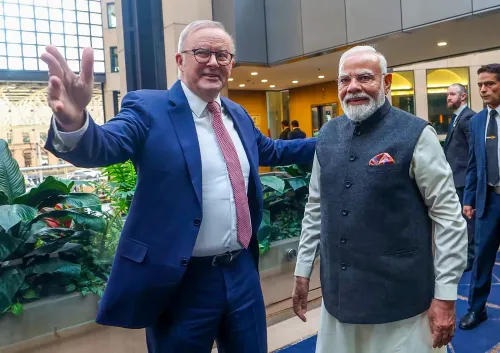
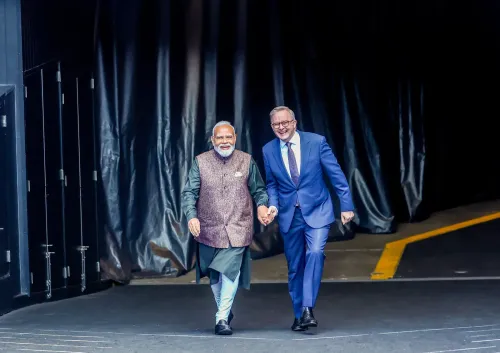
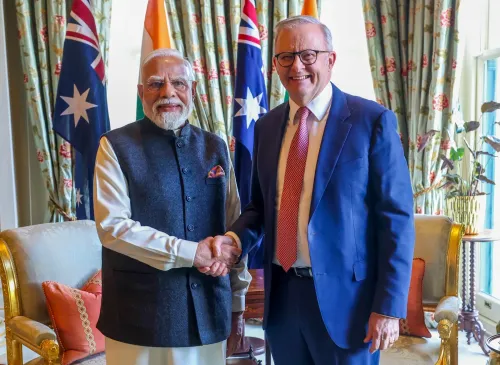
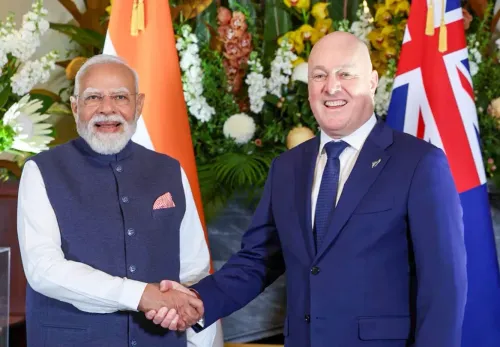
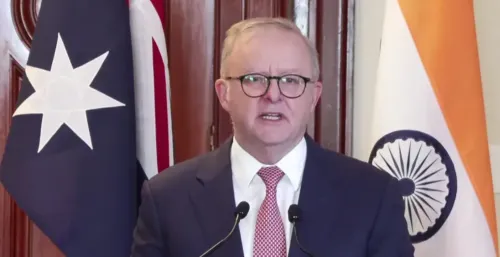
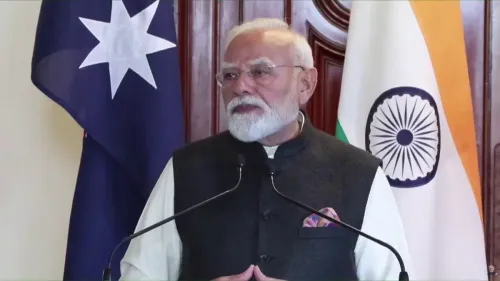
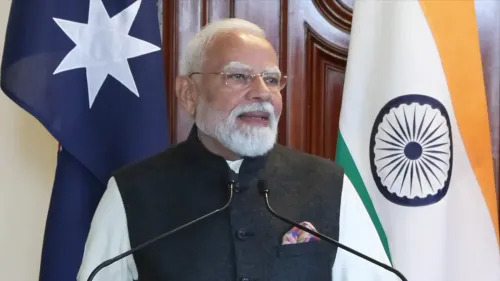
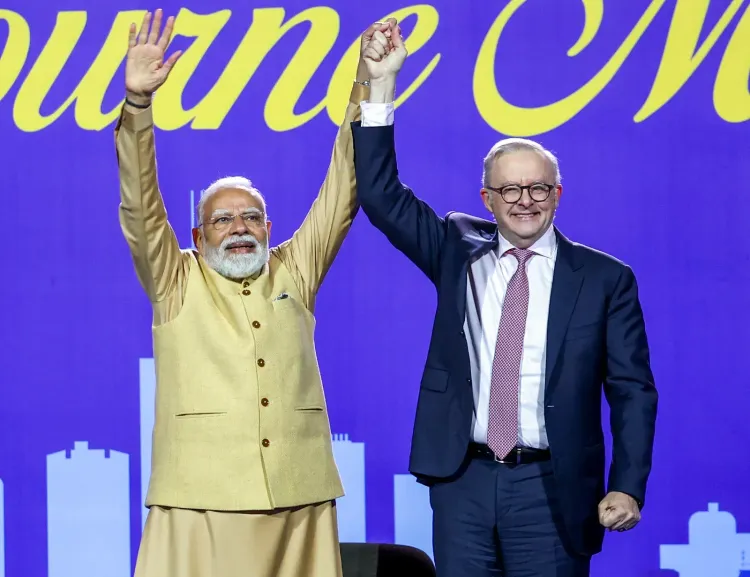
PM Modi and Australian PM Anthony Albanese finalised the administrative arrangement for the India-Australia Civil Nuclear Agreement at the 3rd India-Australia Annual Summit in Melbourne .
The original agreement was signed in 2014 but stalled because India is not a signatory to the Nuclear Non-Proliferation Treaty (NPT) .
Australia holds approximately 28% of global uranium reserves and exports all of it; it operates no nuclear power plants or weapons.
India targets 100 gigawatts of nuclear capacity by 2047 ; nuclear currently accounts for just 3% of India's electricity.
All uranium exports will remain under IAEA safeguards for exclusive civilian use.
The Quad grouping and India's consistent IAEA compliance were cited as key factors in shifting Canberra 's position.
Australia and India have operationalised a long-pending civil nuclear agreement, with Canberra now cleared to export uranium to New Delhi for peaceful civilian use — a landmark shift in a bilateral relationship once stalled by nuclear non-proliferation concerns. The administrative arrangement finalising the India-Australia Civil Nuclear Agreement was sealed during Prime Minister Narendra Modi's visit to Melbourne on 10 July 2025, the second leg of his three-nation tour.
What Was Agreed at the Melbourne Summit
At the 3rd India-Australia Annual Summit in Melbourne, PM Modi and Australian Prime Minister Anthony Albanese finalised the administrative arrangement needed to implement the civil nuclear agreement originally signed in 2014. The deal provides the legal and technical framework for uranium shipments from Australia to India under International Atomic Energy Agency (IAEA) oversight, restricted strictly to civilian nuclear use.
Safeguards and administrative conditions have now been fully met by both sides, allowing what leaders described as the operationalisation of a long-pending agreement. Canberra framed the deal as built on 'trust and shared interests.'
Why Australia Held Back — and What Changed
For years, Australia refused to sell uranium to India despite the 2008 Nuclear Suppliers Group (NSG) waiver that permitted India to purchase uranium from member countries. The sticking point: India is not a signatory to the Nuclear Non-Proliferation Treaty (NPT), and Australia, as a signatory, had maintained that uranium exports would be restricted to treaty parties. This position held firm even as bilateral strategic ties deepened under the Congress-led United Progressive Alliance (UPA) government.
Analysts point to several converging factors that shifted Canberra's calculus. India's consistent projection of itself as a responsible nuclear power — committed to the peaceful use of atomic energy and compliant with IAEA safeguards — gradually built confidence in Australian policy circles. India's continued separation of civilian and military nuclear facilities was closely monitored, according to sources familiar with the diplomatic engagement.
India's diplomatic posture on global conflicts also reportedly played a role. New Delhi's calls for peaceful resolution in the Russia-Ukraine conflict and in the Middle East reinforced its image, in the eyes of many observers, as a responsible global stakeholder rather than a destabilising force.
The Quad Factor and Strategic Trust
India's participation in the Quad grouping — alongside Australia, the United States, and Japan — is cited by analysts as having played a significant role in deepening mutual confidence. Through Quad engagements, India consistently articulated a strategic vision centred on a free and open Indo-Pacific and the avoidance of armed confrontation. Sources familiar with these interactions say they helped Australian leaders better understand India's security outlook and long-term strategic priorities.
Successive bilateral summits further reinforced this trust, with the Modi government's emphasis on responsible global conduct contributing to a gradual recalibration of Canberra's risk assessment.
India's Energy Imperative
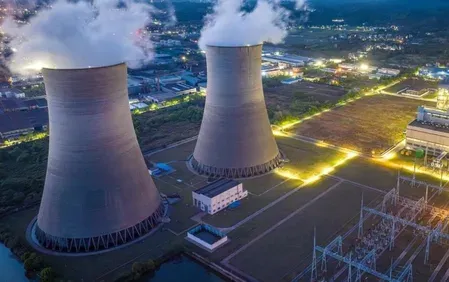
A critical driver on the Indian side is the country's rapidly expanding energy demand. Under the 'Viksit Bharat' roadmap — India's vision of becoming a developed nation by 2047 — clean and reliable energy has become a strategic priority. Nuclear power is expected to account for a significantly larger share of India's future energy mix; the government has set a target of 100 gigawatts of nuclear capacity by 2047. Currently, nuclear energy accounts for only 3% of India's electricity generation.
Australia holds approximately 28% of the world's uranium reserves and exports all of it — operating neither nuclear power plants nor nuclear weapons. This makes it a natural long-term supplier for India's civilian reactor fleet expansion. For Canberra, India represents a stable, large-scale market as New Delhi scales up civilian nuclear capacity.
What Happens Next
With safeguards and administrative arrangements now in place, uranium shipments can proceed under IAEA oversight. For India, the agreement diversifies long-term fuel supplies as its reactor fleet grows. For Australia, it secures a strategic commercial relationship with one of the world's fastest-growing energy markets. Both governments have framed the deal as simultaneously a strategic, commercial, and climate-policy opportunity — one that aligns with India's clean energy targets and Australia's resource export interests.
Point of View
And Australian uranium will not resolve that bottleneck alone.
NationPress
8 Oct 2026
Frequently Asked Questions
What is the India-Australia Civil Nuclear Agreement?
It is a bilateral agreement, originally signed in 2014, that provides the legal framework for Australia to export uranium to India for peaceful civilian nuclear use. The administrative arrangement needed to operationalise it was finalised at the 3rd India-Australia Annual Summit in Melbourne in July 2025.
Why did Australia previously refuse to export uranium to India?
Australia, as a signatory to the Nuclear Non-Proliferation Treaty (NPT), had restricted uranium exports to treaty parties. Since India is not an NPT signatory, Canberra withheld uranium sales despite the 2008 NSG waiver that otherwise permitted India to buy uranium from member countries.
What changed to make Australia agree to the uranium deal now?
Several factors converged: India's consistent IAEA safeguards compliance, its separation of civilian and military nuclear facilities, deepening strategic trust through the Quad, and India's diplomatic posture on global conflicts. Analysts say these factors collectively reassured Canberra that Australian uranium would be used solely for civilian purposes.
How much of the world's uranium does Australia hold?
Australia holds approximately 28% of global uranium reserves and exports all of it. It operates no nuclear power plants and possesses no nuclear weapons, making it a natural long-term supplier for India's expanding civilian reactor fleet.
What is India's nuclear energy target and why does uranium matter?
India aims to install 100 gigawatts of nuclear power capacity by 2047 under its 'Viksit Bharat' development roadmap. Nuclear currently accounts for only 3% of India's electricity, making access to reliable uranium supplies essential for scaling up civilian nuclear power generation to meet clean energy targets.