How has Azerbaijan emerged as the new center for Khalistan's anti-India efforts?
Synopsis
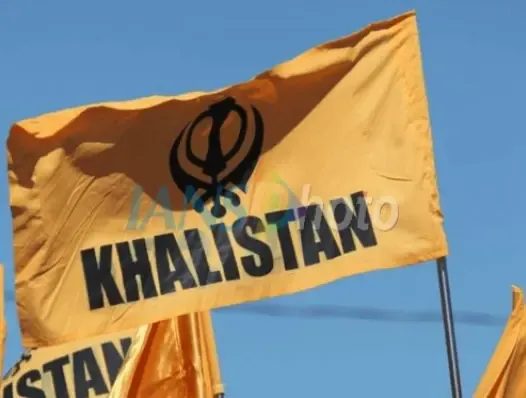
Azerbaijan has become an unexpected hub for the Khalistan movement, hosting conferences aimed at promoting the creation of a separate Sikh state. Despite the narrative of advocating for minority rights, the event signals a troubling rise in anti-India sentiment backed by foreign influences. This report explores the implications of this development for India's security.
Key Takeaways
Azerbaijan is emerging as a base for Khalistani activities.
Recent events have been organized to promote Khalistan.
The involvement of foreign governments raises security concerns for India .
There is a growing narrative against India fueled by disinformation.
Increased Khalistani activities pose a significant challenge for regional stability.
New Delhi, Jan 23 (NationPress) The Khalistan movement has persisted partly due to the accommodating approaches taken by the United Kingdom and Canada. Successive administrations have shown leniency towards these individuals, allowing these countries to serve as launch points for actions against India.
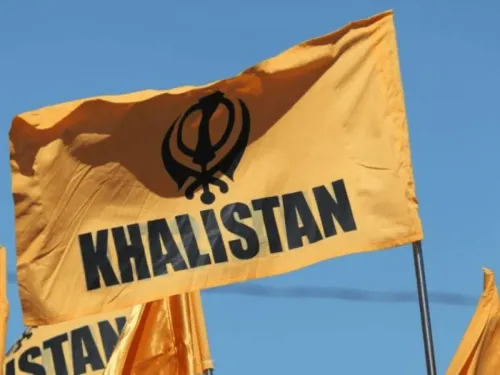
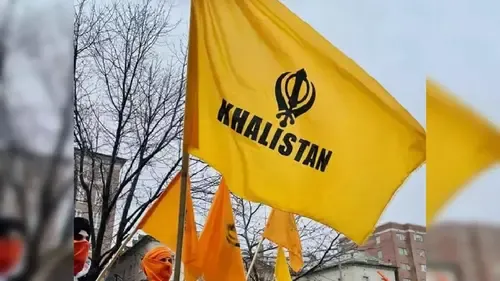
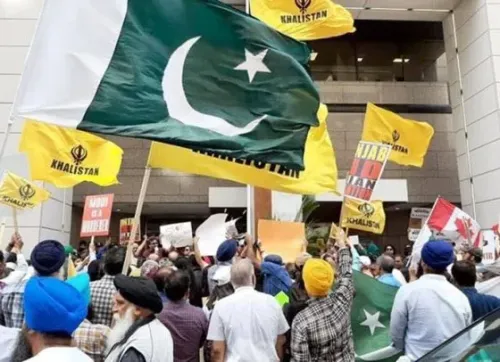
Having established operations in various nations, the Khalistan movement is now thriving in Azerbaijan. Recently, a conference was convened in Baku, the capital, to promote the demand for an independent Sikh nation, Khalistan, to be formed from Indian territory.
At first glance, the gathering seemed focused on addressing the treatment of Sikhs and other minority groups within India. However, this narrative is misleading and has been perpetuated by numerous entities aiming to tarnish India's image and that of the Modi administration.
The event was titled ‘Racism and Violence Against Sikhs and Other National Minorities in India.’ According to officials, several concerning indicators are present. For starters, it was organized by the Baku Initiative Group, which has ties to the Azerbaijani government, underscoring its involvement in such events.
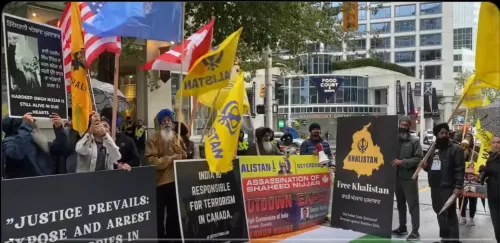
The Khalistan connection became evident when those in attendance observed a moment of silence for the deceased Khalistan terrorist, Hardeep Singh Nijjar. The event heavily featured videos that appeared to depict alleged atrocities against India.
Officials indicate that this narrative is being pushed by Khalistani factions without substantiation. Even within Punjab, there are no widespread grievances regarding state discrimination; however, these elements, backed by the ISI, are attempting to create a distorted image.
Another official noted that following the US, UK, Canada, and Australia, Khalistani operatives are now looking to establish a foothold in Milan. Their calls for a referendum signal a clear intent to expand their influence.
The strategic shift to Azerbaijan suggests directives from the ISI, which oversees this movement. The Azerbaijani government’s support for such an event indicates possible instructions from Pakistan and Turkey, both of whom maintain strong ties, according to officials.
Moreover, Azerbaijan serves as a neutral ground for Khalistanis to advance their anti-India agenda. While they conduct disinformation campaigns against India, it affords Turkey and Pakistan the necessary plausible deniability.
For Pakistan, promoting its agenda in Azerbaijan is uncomplicated, given the friendly nature of the Azerbaijani government. Last year, during Operation Sindoor, Baku supported Pakistan while condemning India's actions. This operation was a response to the brutal killings of innocents by Lashkar-e-Taiba terrorists operating from Pakistan.
While the UK, Canada, and other nations have shown a willingness to address the Khalistan issue, the situation is not as dire as it once was. Both countries have commenced actions against these elements. However, the move to Azerbaijan is alarming and poses significant security risks for India. With state backing, Khalistani factions are likely to become increasingly aggressive, receiving additional support from Turkey, which has consistently adopted an anti-India stance.
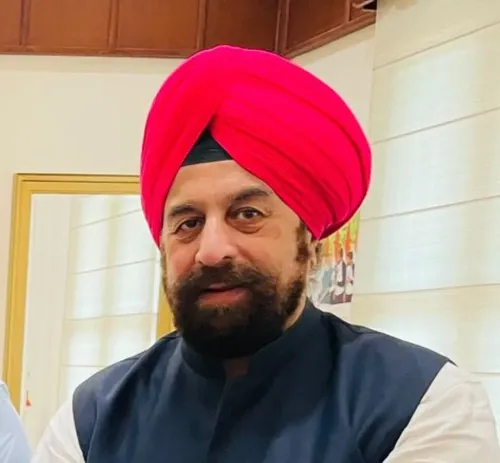
One official remarked that the conference sought to disguise itself as a platform for highlighting abuses. Nevertheless, the event clearly served as a launchpad for Khalistan-related initiatives in Azerbaijan. The presence of Nijjar’s associate, Moninder Singh, and UK-based Khalistani activist, Dabinderjit Singh Sidhu, further confirms its Khalistan-centric nature.
Point of View
I emphasize that while international movements like Khalistan can pose challenges, India's response should be rooted in diplomacy and strategic partnerships. It's essential to address these issues through dialogue, ensuring that our national interests remain safeguarded while promoting stability in the region.
NationPress
12 Oct 2026
Frequently Asked Questions
What is the Khalistan movement?
The Khalistan movement seeks to establish a separate Sikh nation, known as Khalistan, primarily in the Punjab region of India.
Why is Azerbaijan significant for the Khalistan movement?
Azerbaijan has become a strategic venue for Khalistani elements to amplify their anti-India sentiments, backed by foreign governments.
How does the international community view the Khalistan issue?
The Khalistan issue has garnered mixed responses internationally, with some countries taking a stance against separatist movements while others have been accused of leniency.