Bangladesh apparel exports to EU drop 11.9% in Jan-Sep 2026
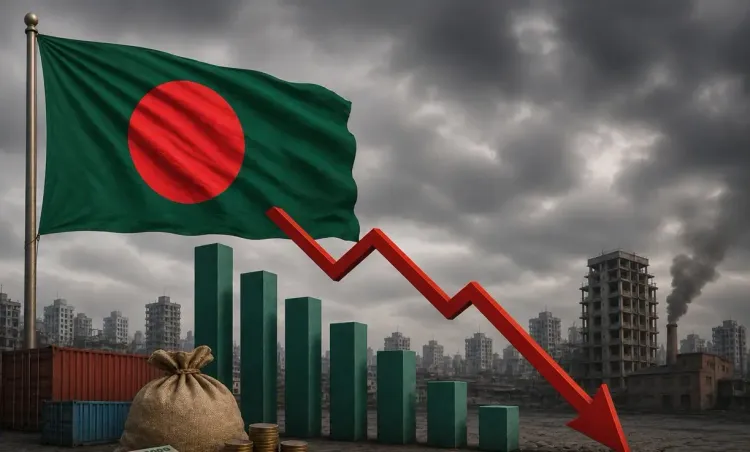
Synopsis
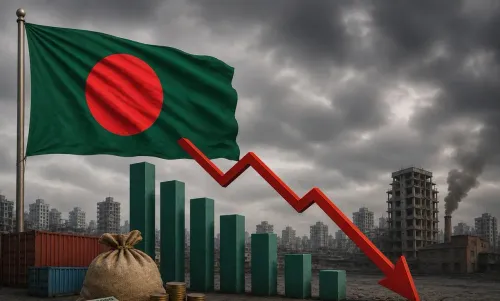
Bangladesh's garment sector lost nearly €1.82 billion in EU export value in the first nine months of 2026 — the worst performance among the EU's top 11 apparel suppliers — even as China's share of EU apparel imports climbed to 34.29%. With per-kilogram realisations at €13.70 against an EU average of €19.59, the structural price-competitiveness gap is widening at the worst possible time.
Key Takeaways
Bangladesh's apparel exports to the EU fell 11.91 per cent year-on-year to 13.48 billion euros in January–September 2026 .
The country lost 1.82 billion euros in export value — the worst outcome among the EU's 11 largest apparel suppliers .
Bangladesh's share of EU apparel imports dropped from 21.10 per cent to 19.06 per cent .
Average export value per kilogram fell to 13.70 euros , well below the EU average of 19.59 euros per kilogram .
China's EU apparel market share rose from 32.02 per cent to 34.29 per cent over the same period, with exports reaching 24.25 billion euros .
Exports fell 9.49 per cent in September alone, outpacing the EU's overall apparel import decline of 2.72 per cent that month.
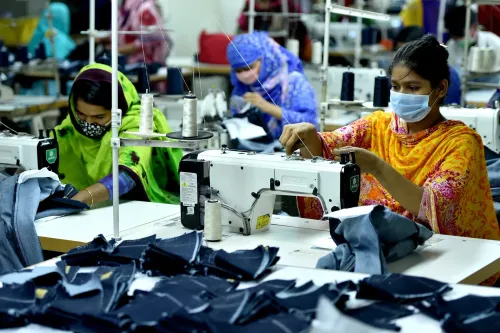
Bangladesh's apparel exports to the European Union (EU) fell 11.91 per cent year-on-year to 13.48 billion euros in the first nine months of 2026, according to Eurostat data compiled by Bangladesh Apparel Voice and reported by Maritime Gateway. The sharp decline underscores mounting competitive pressure from rival suppliers and exposes deep structural vulnerabilities in Bangladesh's garment sector.
Scale of the Decline
Bangladesh lost approximately 1.82 billion euros in export value during the January–September 2026 period, making it the worst performer among the EU's 11 largest apparel suppliers, according to the report. The country's share of EU apparel imports by value slipped to 19.06 per cent, down from 21.10 per cent in the same period a year earlier.
The erosion was driven by twin pressures: export volumes fell 5.74 per cent, while the average export value per kilogram dropped 6.54 per cent to 13.70 euros — significantly below the EU's average apparel import price of 19.59 euros per kilogram. The pricing gap suggests Bangladesh continues to compete primarily on cost rather than value addition, leaving it exposed when volume demand softens.
Month-by-Month Trend
The contraction was steepest at the start of the year, with export value falling 20.89 per cent during the January–April period. The pace of decline moderated sharply between May and August, narrowing to just 1.25 per cent, briefly raising hopes of a recovery. However, that reprieve proved short-lived: exports fell again by 9.49 per cent in September, even as overall EU apparel imports that month declined by a comparatively modest 2.72 per cent — indicating Bangladesh underperformed the broader market.
China Widens Its Lead
While Bangladesh ceded ground, China consolidated its dominance as the EU's largest apparel supplier. Chinese apparel exports to the bloc rose 4.46 per cent in value to 24.25 billion euros, with shipment volumes climbing 6.38 per cent. China's market share in EU apparel imports expanded from 32.02 per cent to 34.29 per cent over the same period. Vietnam also reportedly applied competitive pressure, further squeezing Bangladesh's position in the bloc.
Structural Challenges in Focus
The data points to challenges that go beyond a single bad quarter. Bangladesh's per-kilogram realisation of 13.70 euros — roughly 30 per cent below the EU average — signals that the country's garment exporters are yet to move up the value chain in meaningful ways. Analysts have long argued that Bangladesh must diversify into higher-margin product categories and reduce its dependence on basic knitwear and woven goods to defend its EU position. This comes amid broader uncertainty around EU sustainability regulations, including the Corporate Sustainability Due Diligence Directive, which could impose fresh compliance costs on supply chains sourcing from Bangladesh.
What Happens Next
The garment sector accounts for a substantial share of Bangladesh's total export earnings, making any sustained EU market erosion a macroeconomic concern for Dhaka. Industry stakeholders will be watching fourth-quarter data closely to assess whether September's renewed decline signals a reversal of the mid-year stabilisation or a temporary blip. How quickly Bangladeshi exporters can close the per-kilogram pricing gap with the EU average will be a key indicator of the sector's competitiveness going into 2027.
Point of View
A game China and Vietnam play with larger scale and deeper logistics networks. The brief stabilisation between May and August masked the underlying vulnerability; September's renewed 9.49 per cent fall confirmed it. What mainstream coverage underweights is the regulatory dimension: incoming EU supply-chain due-diligence rules will raise compliance costs, and low-margin exporters with thin operational buffers will feel that disproportionately. Unless Bangladesh's garment industry accelerates a move into higher-value product categories, it risks a slow structural erosion of its EU position even before geopolitical trade realignments fully play out.
NationPress
16 Nov 2026
Frequently Asked Questions
By how much did Bangladesh's apparel exports to the EU fall in 2026?
Bangladesh's apparel exports to the EU declined 11.91 per cent year-on-year to 13.48 billion euros in the first nine months of 2026, according to Eurostat data compiled by Bangladesh Apparel Voice. The country lost approximately 1.82 billion euros in export value over the period.
Why are Bangladesh's EU apparel exports falling?
The decline was driven by a combination of lower shipment volumes, which fell 5.74 per cent, and weaker pricing, with the average export value per kilogram dropping 6.54 per cent to 13.70 euros. Competitive pressure from China and Vietnam , both of which expanded their EU presence, compounded the structural pricing disadvantage Bangladesh faces in the bloc.
How does Bangladesh compare with other EU apparel suppliers?
Bangladesh was the worst performer among the EU's 11 largest apparel suppliers in January–September 2026, according to the Maritime Gateway report. By contrast, China grew its EU apparel exports by 4.46 per cent to 24.25 billion euros, raising its market share from 32.02 per cent to 34.29 per cent.
What is Bangladesh's current share of EU apparel imports?
Bangladesh's share of EU apparel imports by value fell to 19.06 per cent in January–September 2026, down from 21.10 per cent in the same period a year earlier. The decline reflects both lower volumes and weaker per-unit pricing relative to competing suppliers.
What structural challenges does Bangladesh's garment industry face?
Bangladesh's average apparel export price of 13.70 euros per kilogram is roughly 30 per cent below the EU's average import price of 19.59 euros per kilogram, indicating a heavy reliance on low-margin, high-volume products. Analysts argue the sector needs to move into higher-value categories and meet tightening EU sustainability and due-diligence requirements to defend its market position.