Bangladesh poverty rising: 2.1 million more fall below poverty line in 2026
Synopsis
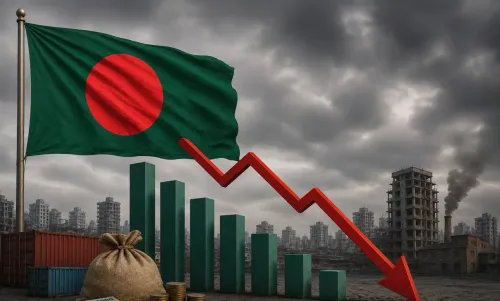
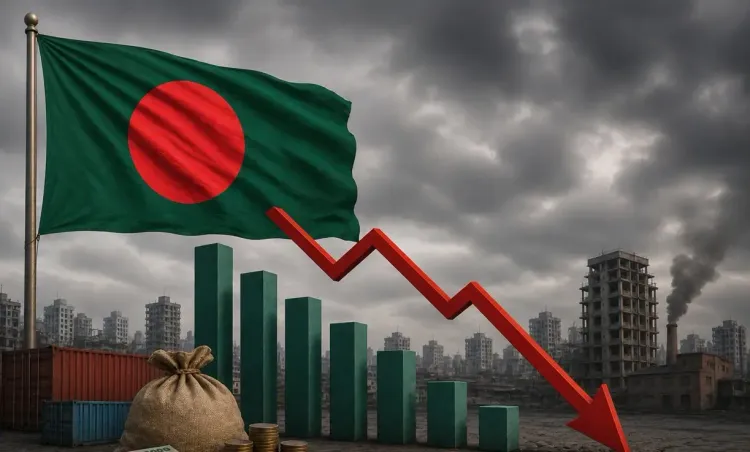
Bangladesh's poverty reduction story is unravelling. The World Bank's October 2026 warning that 2.1 million additional Bangladeshis fell below the poverty line in a single fiscal year — combined with a Power and Participation Research Centre survey showing the poorest households spending nearly 45 per cent more than they earn — signals a structural crisis, not a temporary blip.
Key Takeaways
An estimated 2.1 million additional people in Bangladesh fell below the poverty line in fiscal year 2026 , according to a World Bank warning issued in October 2026 .
The World Bank's Bangladesh Poverty and Equity Assessment 2025 showed the national poverty rate fell from 37.1% in 2010 to 18.7% in 2022, but nearly 62 million people remained at risk of falling back into poverty.
A Power and Participation Research Centre survey found the bottom 10 per cent earned Tk 8,477 monthly but spent Tk 12,294 — a significant deficit.
Nearly 28 per cent of Bangladesh's population lived below the adjusted upper poverty threshold, with over 9 per cent below the lower threshold, per the 2025 survey.
Informal sector workers — including day labourers, rickshaw pullers, and agricultural workers — are among the most severely affected groups.
Bangladesh is facing a deepening economic crisis, with 2.1 million additional people estimated to have fallen below the poverty line in fiscal year 2026, as rising living costs, slowing job creation, and worsening food insecurity erode years of hard-won poverty reduction gains, according to a report by The New Nation.
Who Is Being Hit Hardest
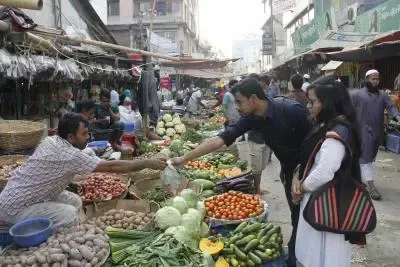
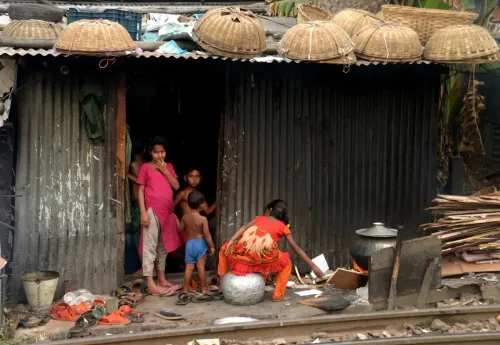
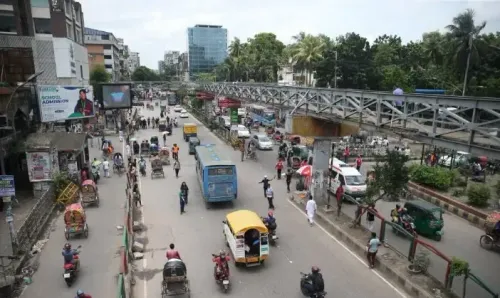
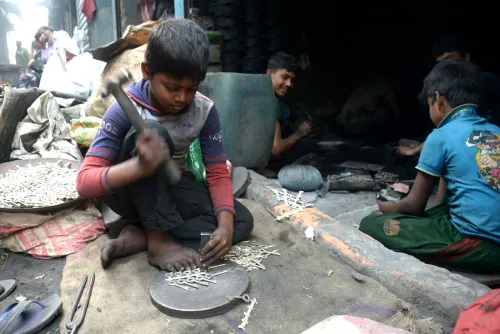
Workers in the informal sector — including day labourers, agricultural workers, construction workers, rickshaw pullers, and small traders — are bearing the brunt of the crisis. Irregular employment and stagnant incomes are increasingly failing to keep pace with rising expenses, the report noted.
Middle-income families are also under strain, struggling to manage budgets amid higher food prices, rising housing costs, and growing medical and education expenses. Recent studies and surveys suggest many households are borrowing money to cover daily needs, cutting back on essential spending, and compromising on nutrition.
The Poverty Data in Context
According to the World Bank's Bangladesh Poverty and Equity Assessment 2025, Bangladesh's national poverty rate had fallen sharply to 18.7 per cent in 2022, down from 37.1 per cent in 2010 — a significant development milestone. However, the same assessment estimated that nearly 62 million people remained at risk of slipping back into poverty following any significant economic shock.
That risk has since materialised. The World Bank warned in October 2026 that both poverty and inequality had increased during fiscal year 2026, with the estimated 2.1 million additional people falling below the poverty line compared to the previous year.
Survey Findings: Income vs Expenditure Gap
A 2025 survey by the Power and Participation Research Centre found that nearly 28 per cent of Bangladesh's population lived below an adjusted upper poverty threshold, while more than 9 per cent fell below the lower threshold. The survey revealed severe financial stress at the bottom of the income distribution: the bottom 10 per cent earned an average monthly income of Tk 8,477 while spending around Tk 12,294 — a deficit that points to unsustainable household debt accumulation.
Economists Sound the Alarm
Economists warn that households living close to the poverty line are acutely vulnerable to compounding shocks — including illness, sudden unemployment, natural disasters, or abrupt price increases. This comes amid a broader regional concern about post-pandemic recovery unevenness, with Bangladesh's export-dependent economy facing headwinds from sluggish global demand. Notably, food insecurity and income volatility in the informal sector have historically been early indicators of a wider poverty reversal cycle in South Asian economies.
What Lies Ahead
The convergence of rising costs, a widening income-expenditure gap among the poor, and reduced fiscal space for social protection signals a challenging period ahead for Bangladesh's poverty alleviation efforts. Policymakers and international development agencies are expected to reassess social safety net coverage and targeting in response to the deteriorating indicators.
Point of View
With no buffer against shocks. The income-expenditure gap among the bottom 10 per cent, as revealed by the Power and Participation Research Centre data, is not a cyclical blip; it points to structural inadequacy in wages and social protection. The harder question for Dhaka's policymakers — and international partners — is whether safety net architecture built for a declining-poverty trajectory is equipped to handle a reversal at this scale.
NationPress
15 Nov 2026
Frequently Asked Questions
How many people fell below the poverty line in Bangladesh in 2026?
An estimated 2.1 million additional people fell below the poverty line in Bangladesh during fiscal year 2026, compared to the previous year, according to a World Bank warning issued in October 2026. This marks a significant setback to the country's long-term poverty reduction trend.
What was Bangladesh's poverty rate before the 2026 increase?
According to the World Bank's Bangladesh Poverty and Equity Assessment 2025, the national poverty rate had fallen to 18.7 per cent in 2022, down from 37.1 per cent in 2010. However, the assessment also noted that nearly 62 million people remained vulnerable to slipping back into poverty.
Which groups are most affected by Bangladesh's rising poverty?
Informal sector workers — including day labourers, agricultural workers, construction workers, rickshaw pullers, and small traders — are among the hardest hit, as irregular employment and low incomes fail to keep up with rising costs. Middle-income families are also under strain from higher food, housing, medical, and education expenses.
What did the Power and Participation Research Centre survey find?
A 2025 survey by the Power and Participation Research Centre found that nearly 28 per cent of Bangladesh's population lived below an adjusted upper poverty threshold, and more than 9 per cent fell below the lower threshold. The bottom 10 per cent of earners had a monthly income of Tk 8,477 against spending of Tk 12,294 — a stark deficit.
Why does Bangladesh's poverty situation matter beyond its borders?
Bangladesh is a major South Asian economy and a global garment manufacturing hub, and its poverty trajectory is closely watched as a development benchmark. A reversal in poverty gains could affect regional stability, migration patterns, and development aid priorities, while also raising questions about the resilience of export-led growth models in emerging economies.