G-24 Alerts on Global Economic Decline Amidst Conflicts
Synopsis
The G-24 has raised alarms about a potential downturn in global economic conditions, driven by conflicts and financial strains affecting emerging economies. This statement was made during their recent ministerial meeting in Washington.
Key Takeaways
G-24 warns of significant global economic decline.
Conflicts and financial pressures threaten emerging economies.
Inflation risks are rising due to energy and food prices.
Urgent need for a strong Global Financial Safety Net.
Climate financing and multilateral cooperation are critical.
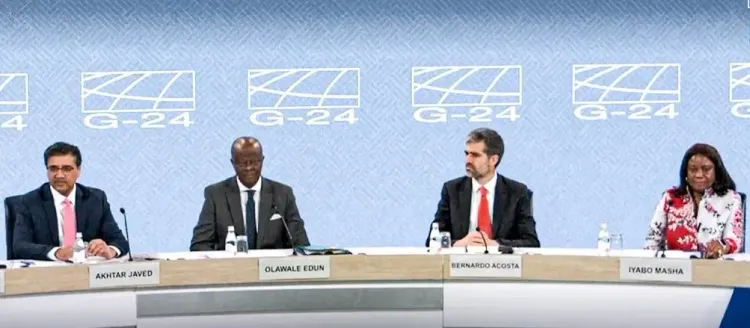
Washington, April 15 (NationPress) The Intergovernmental Group of Twenty-Four (G-24) has expressed concerns over a significant decline in global economic conditions, attributing this to ongoing conflicts, supply chain disruptions, and financial strains that could heavily impact developing nations.
In a statement released following its ministerial meeting in Washington, the G-24 projected that global growth is likely to decrease in 2026 compared to 2025, as the repercussions of the Middle Eastern conflict and other crises affect energy markets and supply chains.
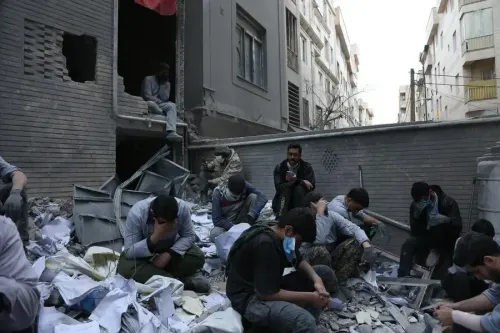
“The conflict in the Middle East is undermining the well-being of the populations impacted, along with inflicting damage on civilian infrastructure,” the group stated, emphasizing that these circumstances are exerting “a considerable strain on an already fragile global economy, particularly harming emerging markets and developing countries.”
The G-24 highlighted the potential for escalating inflation, driven by rising prices of energy, food, and fertilizers, as well as increasing costs associated with supply chains. They also emphasized the necessity of protecting maritime routes and urged for a “halt to attacks on energy infrastructure,” cautioning that repairing damaged assets is both expensive and time-consuming.
Concerns regarding oil market stability remain prevalent. The G-24 acknowledged that measures taken by OPEC Declaration of Cooperation nations to explore alternative export routes have lessened volatility, but they warned that disruptions still threaten global supply.
The medium-term outlook is uncertain, with growing pressure on the current accounts of oil-importing nations and the risk of increasing borrowing costs due to elevated interest rates and exchange rate fluctuations. The group noted that tighter financial conditions and heightened risk aversion could further restrict capital flows to developing economies.
The G-24 also called for reinforcing the global financial safety net, positioning the International Monetary Fund (IMF) at its core. They urged the prompt completion of quota reforms to enhance the representation of emerging and developing economies while safeguarding the interests of the most impoverished members.
“The necessity for a robust Global Financial Safety Net… is now more critical than ever,” the statement indicated, asserting that the IMF must remain “proactive and agile” in addressing changing risks.
Regarding development, the G-24 underscored the World Bank Group's role in fostering job creation, infrastructure investment, and financing for vulnerable nations. They called for increased lending capacity and greater mobilization of private capital, especially for micro, small, and medium enterprises.
The group also raised alarms about increasing debt vulnerabilities, advocating for coordinated and timely sovereign debt restructuring, as well as enhanced transparency in debt management. They welcomed advancements under the G20 Common Framework and encouraged further reforms to the international debt architecture.
Climate financing and multilateral collaboration were flagged as vital priorities. The G-24 urged developed nations to fulfill their commitments, including the target of $300 billion annually by 2035 for climate finance, and called for enhanced technology transfer and concessional funding.
Finally, the group cautioned against protectionist trade practices, stating that unilateral tariffs and sanctions undermine global integration. They reiterated the necessity for a “rules-based, non-discriminatory” multilateral trading system to rebuild trust and support global growth.
The G-24 consists of developing nations from Africa, Asia, and Latin America and plays a crucial role in coordinating positions on international monetary and development issues, especially within the IMF and World Bank. India is part of the Asian group within this coalition.
This statement emerges as global policymakers convene in Washington for the Spring Meetings of the IMF and World Bank, amidst heightened geopolitical tensions and rising apprehensions regarding the world's economic resilience.
Point of View
It's crucial to acknowledge the serious implications of the G-24's warnings. The ongoing geopolitical conflicts pose a real threat to global economic stability, particularly for vulnerable economies. Policymakers must prioritize collaborative solutions to address these challenges effectively.
NationPress
23 Oct 2026
Frequently Asked Questions
What are the main concerns raised by the G-24?
The G-24 expressed concerns over declining global economic conditions due to conflicts, supply disruptions, and financial pressures, particularly affecting emerging economies.
How does the conflict in the Middle East affect the global economy?
The conflict in the Middle East is contributing to increased inflation, supply chain disruptions, and damage to infrastructure, which collectively undermine global economic stability.
What recommendations did the G-24 make?
The G-24 called for strengthening the global financial safety net, enhancing representation in the IMF, and mobilizing private capital for development, among other measures.
Why is climate financing a priority for the G-24?
Climate financing is essential for supporting sustainable development and addressing the impacts of climate change, especially in vulnerable countries.