India-Australia uranium deal unlocks fuel supply for nuclear power expansion
Synopsis
After years of delay over nuclear safeguard concerns, India has locked in access to Australia's uranium — the world's largest known reserve base. The Administrative Arrangement, finalised during PM Modi's visit, gives India's expanding nuclear fleet a long-term fuel guarantee and adds a critical energy pillar to one of Asia's most consequential strategic partnerships.
Key Takeaways
An Administrative Arrangement on uranium supply between India and Australia was finalised during Prime Minister Narendra Modi's visit last week.
Australia holds more than one-third of global uranium resources — the largest known reserves in the world.
The deal ends years of delay linked to concerns over nuclear safeguards and strengthens fuel security for India's safeguarded reactor fleet.
Nuclear energy expert R.K.
Singh called it 'a landmark development for India's civil nuclear programme.' Both Prime Ministers expressed concern over China's recent intercontinental ballistic missile test in the Pacific Ocean .
The arrangement supports India's commitment to net-zero emissions by 2070 by enabling clean, firm-capacity nuclear power expansion.
India has secured access to Australia's vast uranium reserves — the world's largest known deposits — through an Administrative Arrangement finalised last week during Prime Minister Narendra Modi's visit to Australia, clearing a long-standing fuel hurdle for the country's civil nuclear power programme. The agreement, which comes after years of delay tied to nuclear safeguard concerns, is expected to meaningfully strengthen India's energy security as it races to expand clean electricity capacity.
What the Uranium Arrangement Covers
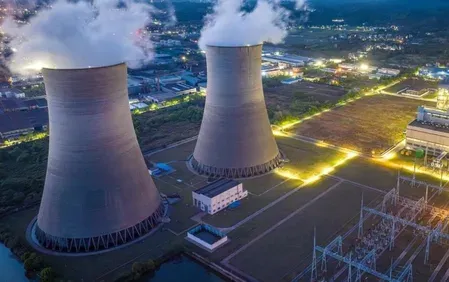
Australia holds more than one-third of global uranium resources, making it the single largest reserve base in the world. The Administrative Arrangement gives India a long-term, reliable supply channel for uranium to fuel its expanding fleet of safeguarded nuclear reactors operating under International Atomic Energy Agency (IAEA) protocols.
R.K. Singh, an international nuclear energy expert, described the deal as a watershed moment. 'The Australia-India uranium arrangement is a landmark development for India's civil nuclear programme. It provides a long-term, reliable source of uranium that will strengthen fuel security for India's expanding fleet of safeguarded nuclear power reactors,' he said. Singh added that 'a reliable uranium supply would help India expand nuclear power to meet rapidly growing electricity demand while operating under IAEA safeguards.'
Strategic Dimensions of the Modi-Albanese Summit
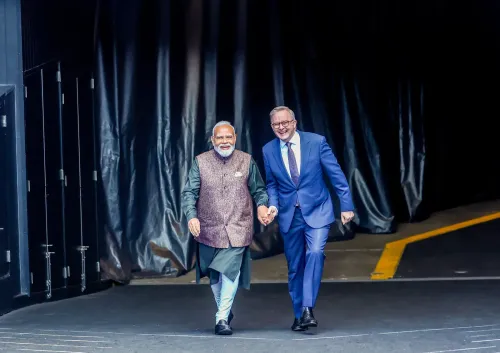
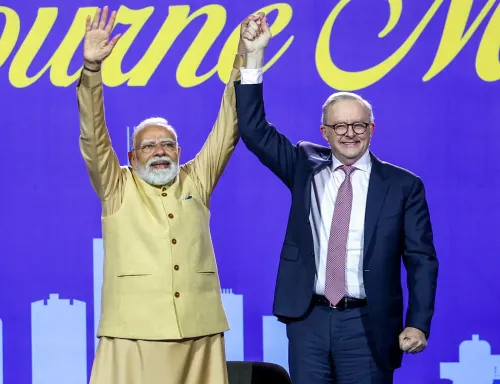
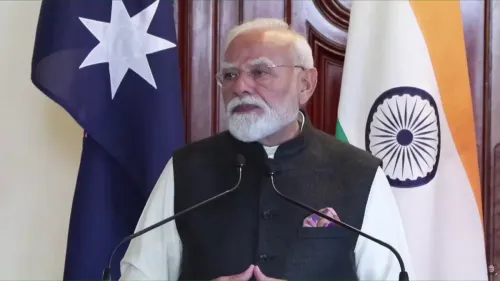
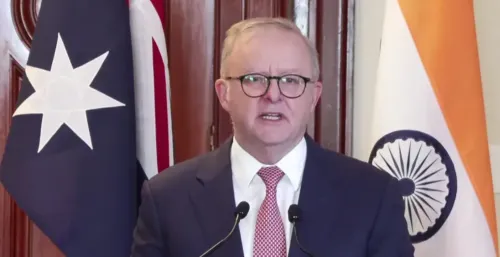
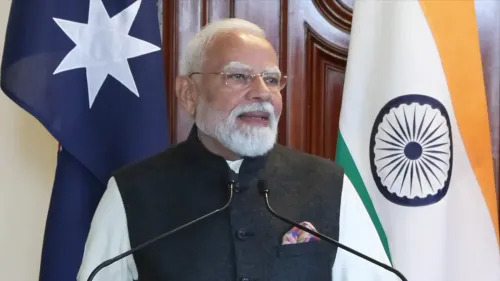
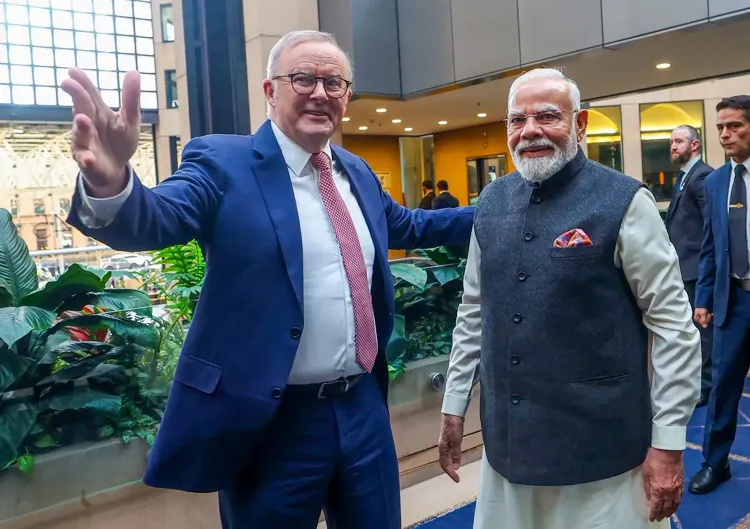
The uranium arrangement was not the only significant outcome of the summit between Prime Minister Modi and his Australian counterpart Prime Minister Anthony Albanese. The two leaders also moved to deepen the India-Australia Comprehensive Strategic Partnership, reinforcing cooperation across trade, defence, critical minerals, technology, and Indo-Pacific security.
Foreign Secretary Vikram Misri told journalists that both Prime Ministers expressed 'a certain amount of concern' about China's recent test of an intercontinental ballistic missile in the Pacific Ocean — signalling that the bilateral relationship carries clear geopolitical weight beyond energy.
Why Nuclear Fuel Security Matters for India
Nuclear power is a low-carbon, firm-capacity source that complements India's rapidly growing share of renewable energy. It can progressively absorb demand currently served by coal while supporting the surging energy needs of industry, data centres, and the broader digital economy.
India has committed to achieving net-zero emissions by 2070 and has progressively raised its climate targets, including expanding non-fossil energy capacity. A secure, long-term uranium supply directly enables that transition by allowing India to commission and operate more nuclear plants without fuel uncertainty.
India's Non-Proliferation Record and Australia's Confidence
Australia's decision to supply uranium reportedly reflects confidence in India's strong non-proliferation record and its responsible stewardship of nuclear technology. This is notable because concerns over nuclear safeguards had previously stalled such arrangements for years, making the finalisation of this deal a significant diplomatic achievement for both governments.
The arrangement adds a robust energy pillar to a bilateral relationship that has grown considerably in scope and strategic depth, according to reports. With fuel security now addressed, the pace at which India can expand its safeguarded nuclear fleet could accelerate in the coming years.
Point of View
Signalling a maturation of India's standing in the global nuclear order. But access to fuel is only one constraint; India's nuclear build-out has historically been slowed by project execution, land acquisition, and domestic regulatory capacity as much as by fuel availability. The real test of this deal's impact will be whether India can translate fuel security into commissioned megawatts at scale, and on schedule, before coal demand outpaces the transition window.
NationPress
14 Oct 2026
Frequently Asked Questions
What is the India-Australia uranium deal?
It is an Administrative Arrangement finalised during Prime Minister Narendra Modi's visit to Australia, granting India long-term access to Australian uranium — the world's largest known reserve base — for use in its safeguarded civil nuclear reactors under IAEA protocols. The deal ends years of delay tied to nuclear safeguard concerns.
Why does this uranium deal matter for India's energy plans?
India has committed to net-zero emissions by 2070 and is expanding its non-fossil energy capacity. Nuclear power provides low-carbon, firm electricity that can replace coal generation; a secure uranium supply removes a key bottleneck to building and operating more nuclear plants at scale.
What other outcomes came from the Modi-Albanese summit?
Beyond the uranium arrangement, the two leaders deepened the India-Australia Comprehensive Strategic Partnership across trade, defence, critical minerals, technology, and Indo-Pacific security. Both Prime Ministers also expressed concern over China's recent intercontinental ballistic missile test in the Pacific Ocean, according to Foreign Secretary Vikram Misri.
How large are Australia's uranium reserves?
Australia possesses the largest uranium resources globally, accounting for more than one-third of the world's total known deposits, making it the most significant potential supplier for India's expanding nuclear fleet.
What safeguards govern India's use of Australian uranium?
India's nuclear reactors receiving Australian uranium will operate under International Atomic Energy Agency (IAEA) safeguards. Australia's decision to supply uranium reportedly reflects confidence in India's non-proliferation record and its responsible use of nuclear technology.