Trump says Iran making 'very big concessions', warns military option remains open
Synopsis
Trump declared Iran is ‘agreeing to everything’ the US wants — but kept the military option firmly on the table. With NATO’s chief calling Iran a chaos-exporter ‘very near’ nuclear capability, and a Minab school strike under Pentagon investigation, the diplomatic optimism is shadowed by significant unresolved flashpoints.
Key Takeaways
President Donald Trump said Iran is making “very big concessions” and “agreeing to everything” the US wants in ongoing nuclear negotiations.
Trump warned that if diplomacy fails, Washington would “go back and do what we have to do” — an implicit reference to military action.
Trump ruled out any deal permitting Iran to impose charges on shipping through the Strait of Hormuz , calling it “unacceptable.” NATO Secretary General Mark Rutte backed Trump’s Iran policy, warning Tehran was “very near” to acquiring nuclear capability.
Defence Secretary Pete Hegseth said the Pentagon is taking the Minab school strike investigation “very seriously” with findings to be released at the “appropriate time.”
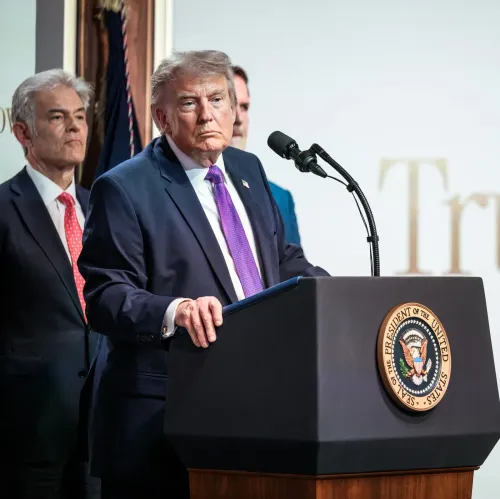
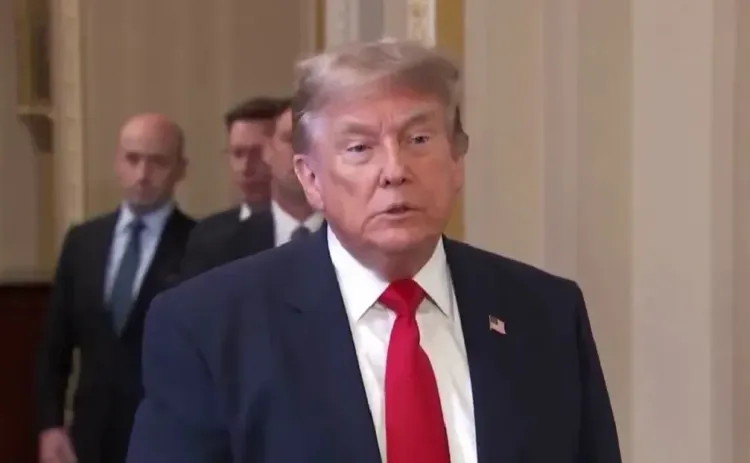
US President Donald Trump on Wednesday declared that Iran was making “very big concessions” in ongoing nuclear negotiations with Washington, projecting strong optimism about the diplomatic process while simultaneously warning that the United States remained prepared to use military force if talks collapsed. Trump made the remarks across multiple settings — at the Capitol, in meetings with Republican lawmakers, and during an Oval Office session with NATO Secretary General Mark Rutte.
Trump's Remarks on the Negotiations
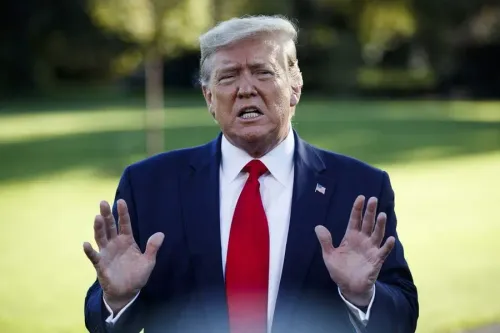
Speaking to reporters before a lunch meeting with Republican lawmakers, Trump said the situation was moving decisively in Washington’s favour. “The war is going very well. As you know, we’re winning by a lot,” he said. On Iran’s posture at the negotiating table, he added: “Iran is making very big concessions. We’ll see what happens, but it’s been very, very, very powerful and it’s going very, very well.”
Following the Capitol meeting, Trump struck an even more confident tone. “Iran is being very nice. They’re agreeing to everything that I want, and they have to. Otherwise, we just go back and do what we have to do,” he said — an unmistakable reference to the military option he has repeatedly kept on the table. During his Oval Office meeting with Rutte, Trump reiterated: “We’re doing great in our negotiations with Iran.”
Congress Vote and the Strait of Hormuz
Asked whether a congressional vote on an Iran war resolution could complicate the diplomatic track, Trump dismissed it as sending an unnecessary signal to Tehran. “So Iran sees that, and they go, what’s that all about? Now, you know, it’s meaningless, right?” he said.
Trump also drew a firm red line on Strait of Hormuz shipping rights. He categorically ruled out any future agreement that would allow Iran to impose charges on international vessels passing through the strait. “It would be unacceptable to me. I wouldn’t allow it there either,” he said. The Strait of Hormuz is one of the world’s most critical energy chokepoints, carrying a significant share of globally traded crude oil.
NATO's Backing and Iran's Nuclear Threat
NATO Secretary General Mark Rutte offered unequivocal support for Trump’s Iran policy, framing the prevention of a nuclear-armed Iran as a global security imperative. “I really want to make clear how important it is, what you are doing on Iran,” Rutte said at the White House.
Rutte described Iran as “a country which is exporting chaos” and “exporting terrorism,” warning that Tehran “was very near to getting its hands on the nuclear capability.” He added: “Iran having its hands on the nuclear capability... would be a danger to the whole world, particularly the region, Israel, and to Europe, but also the rest of the world.”
Minab Strike Inquiry
Trump was also pressed on an ongoing investigation into a strike on a school in Minab. He expressed scepticism about whether a definitive conclusion would be reached. “I don’t know that they’re ever going to solve that problem, in terms of whose fault was it, because there were missiles flying all over the place,” he said.
Defence Secretary Pete Hegseth said the Pentagon was taking the inquiry “very seriously” and that its findings would be released at the “appropriate time.” The Minab school strike inquiry adds a layer of accountability pressure to an already complex diplomatic and military picture.
With Iran reportedly accommodating US demands and NATO firmly aligned with Washington’s position, the coming days will test whether Trump’s confidence translates into a durable framework agreement — or whether the military option moves from rhetoric to reality.
Point of View
But it also risks miscalculation. Rutte’s endorsement gives the process multilateral cover, yet NATO has no formal role in the talks. The Minab school strike inquiry is the detail mainstream coverage is underplaying — unresolved accountability for civilian casualties could fracture the diplomatic window faster than any congressional resolution.
NationPress
25 Jun 2026
Frequently Asked Questions
What concessions is Iran making in talks with the US?
President Trump has stated that Iran is making ‘very big concessions’ and agreeing to all US demands, but has not publicly specified the details of those concessions. The negotiations are ongoing and no formal agreement has been announced.
Did Trump threaten military action against Iran?
Yes. Trump repeatedly indicated that military force remains an option if diplomacy fails, saying the US would ‘go back and do what we have to do’ if Iran stops cooperating. He made these remarks across multiple engagements on Wednesday.
What is the Strait of Hormuz and why did Trump mention it?
The Strait of Hormuz is one of the world’s most critical energy chokepoints, through which a significant share of globally traded crude oil passes. Trump said any deal allowing Iran to impose charges on international shipping through the strait would be ‘unacceptable’ to him.
What did NATO Secretary General Mark Rutte say about Iran?
Rutte described Iran as ‘a country which is exporting chaos’ and ‘exporting terrorism,’ and warned it was ‘very near to getting its hands on the nuclear capability.’ He strongly backed Trump’s diplomatic approach during their Oval Office meeting.
What is the Minab school strike investigation?
The Pentagon is investigating a strike on a school in Minab. Defence Secretary Pete Hegseth said the inquiry is being taken ‘very seriously’ and findings will be released at the ‘appropriate time.’ Trump said it may be difficult to determine responsibility given the volume of missiles fired in the area.