Iran-Oman talks on Strait of Hormuz safety amid US naval blockade
Synopsis
Even as Iran and Oman quietly negotiated safe-passage arrangements for the Strait of Hormuz, the US Navy was simultaneously redirecting 12 commercial vessels, boarding 2, and disabling 2 tankers under an active blockade. The diplomatic and military tracks are running in parallel — and the gap between them is widening.
Key Takeaways
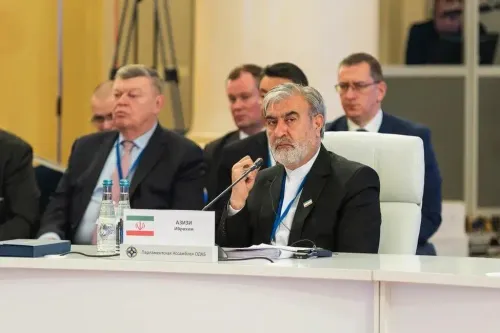
Iran and Oman held Deputy Foreign Minister-level talks in Tehran on 25-26 July on safe navigation through the Strait of Hormuz .
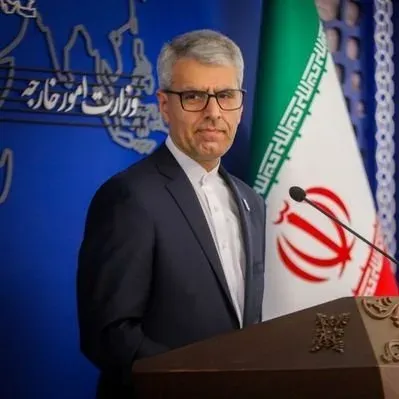
Iranian spokesperson Esmaeil Baqaei called the talks 'useful and forward-looking,' with further consultations planned.
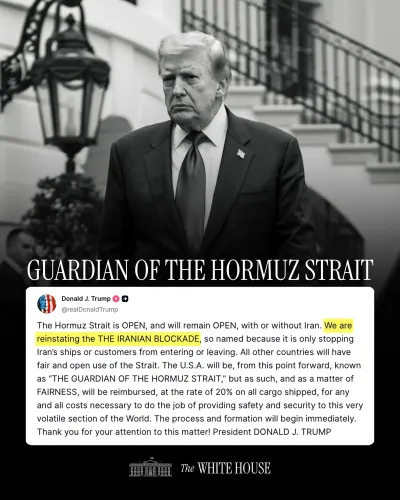
The US Central Command (CENTCOM) confirmed its naval blockade against Iran remains fully in effect as of 25 July .
CENTCOM has redirected 12 commercial vessels , boarded 2 , and disabled 2 tankers attempting to breach the blockade.
The Mozambique-flagged M/T Lavine was disabled in the Gulf of Oman on 24 July after allegedly ignoring repeated warnings.
No change in the status of maritime traffic through the Strait has been reported as of Sunday, according to Iranian officials.
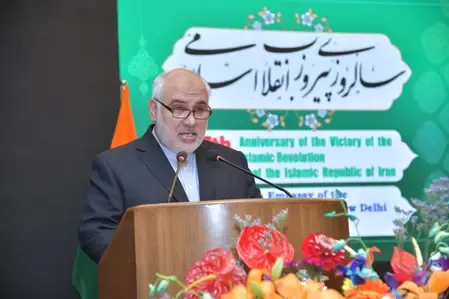
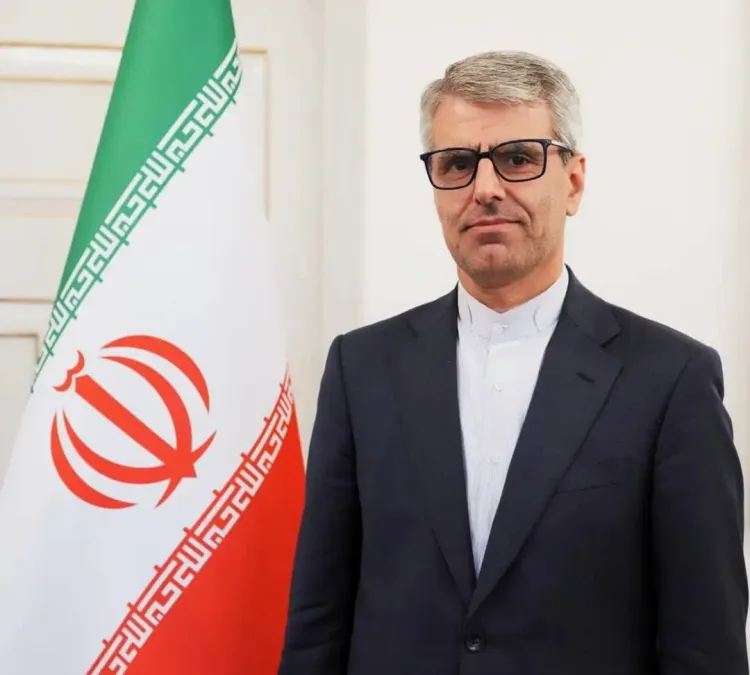
Iran and Oman held multiple rounds of technical talks in Tehran on 25-26 July to work out arrangements for safe navigation through the Strait of Hormuz, even as a US naval blockade against Iran continues to disrupt commercial shipping in the region. Iranian Foreign Ministry spokesperson Esmaeil Baqaei described the discussions as 'useful and forward-looking,' saying meaningful progress had been achieved.
What the Talks Covered
The discussions were held at the level of Deputy Foreign Ministers over Friday and Saturday, according to Baqaei. The two sides examined common principles and practical mechanisms to ensure safe maritime traffic through the strategic waterway while respecting the sovereign rights of both littoral states. The Omani delegation departed Tehran on Saturday, though both nations confirmed that technical and political consultations would continue.
Baqaei separately noted that, as of Sunday, there had been no change in the status of maritime traffic through the Strait of Hormuz — a signal that the talks have not yet produced binding operational changes on the ground.
Why the Strait of Hormuz Matters
The Strait of Hormuz connects the Persian Gulf with the Gulf of Oman and the Arabian Sea, functioning as one of the world's most critical energy corridors. A substantial share of global oil and liquefied natural gas exports from major Gulf producers transits this narrow passage daily, making any disruption there a direct concern for international energy markets and supply chains.
US Blockade Operations
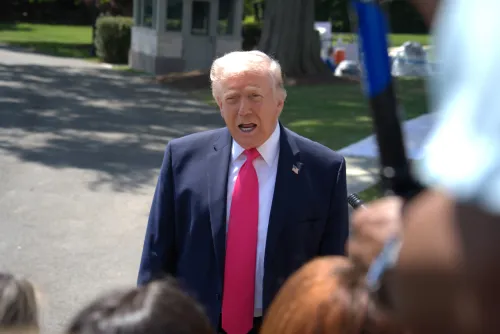
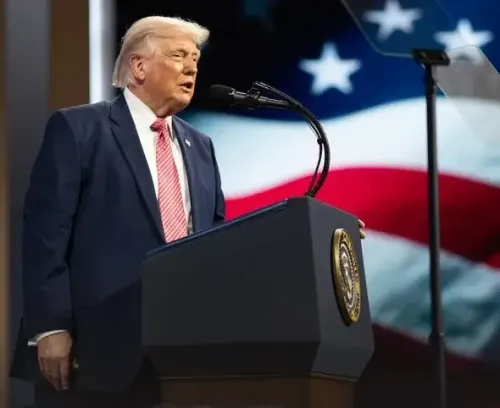
The bilateral diplomacy unfolds against a sharply escalating backdrop. The US Central Command (CENTCOM) confirmed in a post on social media platform X that its naval blockade against Iran remains fully operational. In the post, CENTCOM stated: 'The US naval blockade against Iran remains in full effect. As of July 25, CENTCOM has redirected 12 commercial vessels trying to run the blockade, disabled 2 that didn't comply, and boarded 2 to ensure total compliance.'
Among the vessels affected, US forces completed a verification boarding of the Comoros-flagged tanker M/T Charminar in the Arabian Sea, after which the tanker was allowed to continue its journey. Separately, American forces disabled the Mozambique-flagged tanker M/T Lavine in the Gulf of Oman on 24 July after its crew allegedly attempted to breach the blockade multiple times and ignored repeated warnings. CENTCOM confirmed the vessel is 'no longer transiting to Iran.'
The command underscored its posture by stating that 'American forces remain highly vigilant, focused, lethal, and ready.'
Regional Context
The Iran-Oman talks and the US enforcement actions come amid renewed tensions across West Asia following military exchanges between the United States and Iran. Oman has historically served as a quiet diplomatic channel between Tehran and Western governments, lending added significance to its current engagement. This is not the first time Muscat has stepped in to facilitate dialogue during periods of elevated Gulf tension — a pattern that underscores Oman's unique strategic positioning as a non-aligned Gulf state with working relations on both sides.
What Comes Next
Both Iran and Oman have indicated that further consultations are planned, though no timeline or framework has been made public. With the US blockade actively intercepting vessels and Iran engaged in parallel diplomacy, the situation in and around the Strait of Hormuz remains fluid. Any escalation involving commercial shipping could ripple quickly into global oil prices and energy security calculations.
Point of View
But its leverage depends on Washington's willingness to leave a diplomatic off-ramp open, which the CENTCOM posture does not obviously suggest. The blockade's reach — 12 vessels redirected, 2 disabled in days — signals enforcement at a scale that bilateral technical talks alone cannot resolve. The real question is whether these Iran-Oman discussions are a prelude to a broader multilateral framework, or a holding pattern while military pressure mounts.
NationPress
26 Jul 2026
Frequently Asked Questions
What did Iran and Oman discuss regarding the Strait of Hormuz?
Iran and Oman held Deputy Foreign Minister-level technical talks in Tehran on 25 and 26 July 2025 to work out common principles and practical mechanisms for ensuring safe maritime traffic through the Strait of Hormuz, while respecting both nations' sovereign rights. Iranian spokesperson Esmaeil Baqaei said the talks were 'useful and forward-looking' and that further consultations would follow.
What is the US naval blockade against Iran?
The US Central Command has imposed a naval blockade against Iran that, as of 25 July 2025, has redirected 12 commercial vessels, boarded 2 for compliance verification, and disabled 2 tankers that allegedly attempted to breach the blockade. CENTCOM describes US forces as 'highly vigilant, focused, lethal, and ready.'
Which tankers were affected by the US blockade?
The Comoros-flagged tanker M/T Charminar was boarded for verification in the Arabian Sea and subsequently allowed to continue its journey. The Mozambique-flagged tanker M/T Lavine was disabled in the Gulf of Oman on 24 July after its crew allegedly attempted to violate the blockade multiple times and ignored repeated warnings.
Why is the Strait of Hormuz strategically important?
The Strait of Hormuz connects the Persian Gulf with the Gulf of Oman and the Arabian Sea, serving as one of the world's most critical energy corridors. A large share of global oil and liquefied natural gas exports from major Gulf producers passes through this narrow waterway daily, making any disruption there a direct threat to international energy supply.
What is Oman's role in Iran-West relations?
Oman has historically acted as a discreet diplomatic channel between Tehran and Western governments, including during past nuclear negotiations. Its current engagement with Iran over Strait of Hormuz arrangements reflects that established role, though the parallel US blockade operations significantly complicate the diplomatic environment.