Hormuz oil flow at two-thirds capacity as Iran-Suez threat looms
Synopsis
Two-thirds of Hormuz oil flow is back — but the real alarm is what comes next. A former NATO supreme allied commander is now warning that Iran could deploy the Houthis to threaten the Suez Canal, potentially opening a second front in global shipping. With two US service members dead in Jordan and fuel prices spiking stateside, the conflict’s economic and strategic reach is widening fast.
Key Takeaways
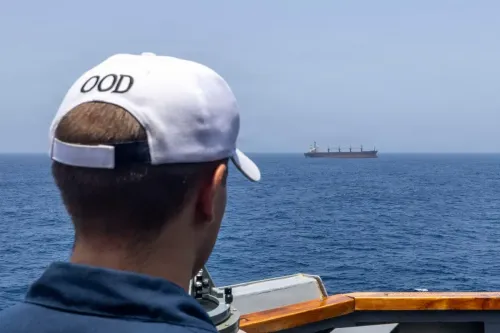
Oil flow through the Strait of Hormuz has recovered to roughly two-thirds of pre-war levels, at nearly 14 million barrels a day including bypass pipelines, according to US Energy Secretary Chris Wright .
Two US service members were killed in an Iranian attack on a US base in Jordan ; a third remained missing as of 20 July .
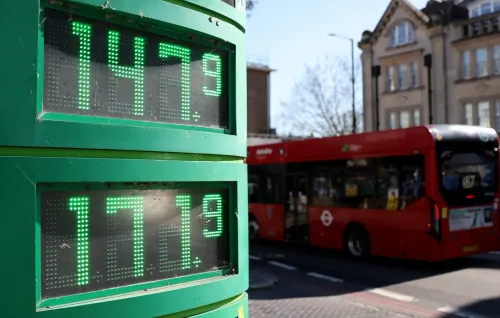
Petrol prices in Virginia rose from $2.81 to around $4 a gallon ; diesel reached $5 , according to Senator Mark Warner .
Retired Admiral James Stavridis warned Iran could use the Houthis to attempt to close the Suez Canal .
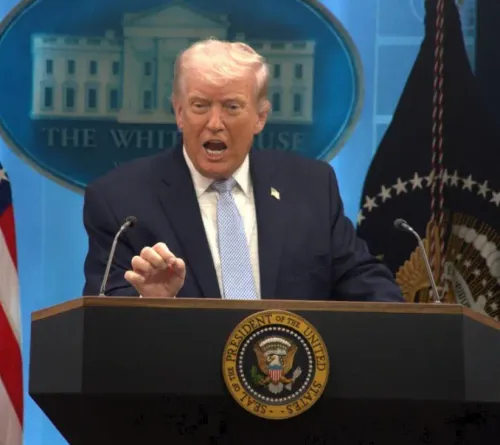
President Donald Trump is ‘always looking for the diplomatic off ramp’ but the US will act unilaterally to protect Hormuz traffic if needed, Wright said.
Oil traffic through the Strait of Hormuz has recovered to roughly two-thirds of its pre-war level, the Trump administration said on 20 July, even as a former NATO supreme allied commander warned that Iran could widen the conflict by directing the Houthis to threaten the Suez Canal. The disclosures came amid fresh US strikes against Iran and the deaths of two American service members in an Iranian attack on a US base in Jordan.
What the Energy Secretary Said
US Energy Secretary Chris Wright pushed back against suggestions that traffic through the Strait had effectively halted. He told ABC News' This Week that the seven-day trailing average stood at ‘just under seven million barrels a day’ through the waterway, with a comparable volume moving through bypass pipelines.
“So, we’re at a little under 14 million barrels a day from the Arabian Gulf region,” Wright said. “That’s two-thirds of pre-conflict traffic, dramatically up from where we were back in March.” Wright acknowledged that ship numbers were ‘down more dramatically’, attributing continued supply to the deployment of larger tankers.
US Casualties and Military Response
Two US service members were killed in an Iranian attack on an American base in Jordan, with a third remaining missing as of the report. US forces responded with fresh strikes against Iran. Wright said Washington would continue protecting Hormuz traffic with or without Tehran’s cooperation, adding that President Donald Trump was ‘always looking for the diplomatic off ramp’ but would act unilaterally if necessary.
Political Pushback at Home
Democratic Senator Mark Warner challenged the administration’s optimistic framing. He pointed to fuel prices in Virginia as evidence of real-world impact, noting that petrol had climbed from $2.81 a gallon before the war to around $4, while diesel had reached $5. “I see no path in the short term how the Strait is going to be settled,” Warner said. “This war of choice has been a disaster.”
The Suez Canal Risk
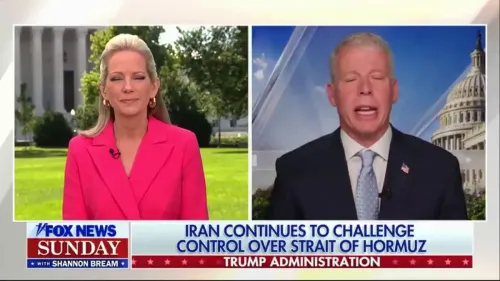
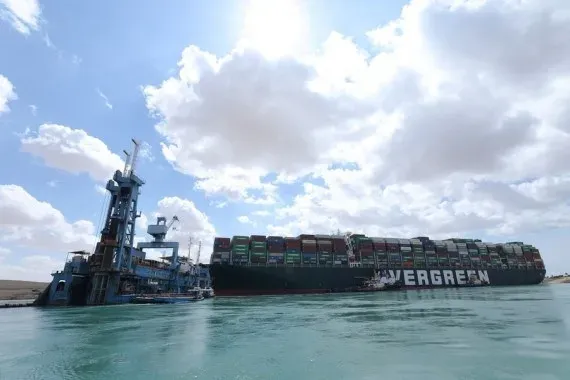
Retired Admiral James Stavridis, a former NATO supreme allied commander, raised the prospect of a second front on CNN’s State of the Union. He warned that Iran could use the Houthis in the southwest corner of the region to attempt to close the Suez Canal. “Watch the Suez Canal as a way the Iranians could make another move,” Stavridis said. He also suggested that recent attacks in Jordan may be connected to its proximity to the northern end of the Red Sea, pointing to a possible strategic logic behind Iran’s targeting choices.
What to Watch Next
With Hormuz still operating below normal capacity and the Suez Canal now flagged as a potential flashpoint, global shipping and energy markets face compounding uncertainty. Any Houthi escalation in the Red Sea corridor would add pressure to already strained supply chains. Diplomatic signals from Washington and Tehran in the coming days will be closely watched by markets and governments alike.
Point of View
But the underlying numbers tell a more complicated story: ship counts are down sharply, larger tankers are masking the volume gap, and fuel prices in the US itself are spiking. More critically, the strategic risk is migrating. If Iran activates the Houthis against the Suez Canal, the world faces simultaneous pressure on the two chokepoints that together handle a dominant share of global energy and container trade. Mainstream coverage is focused on Hormuz; the Suez signal from Stavridis deserves equal weight.
NationPress
21 Jul 2026
Frequently Asked Questions
How much oil is currently flowing through the Strait of Hormuz?
According to US Energy Secretary Chris Wright, the seven-day trailing average stands at just under seven million barrels a day through the Strait itself, with a similar volume moving through bypass pipelines, totalling nearly 14 million barrels a day from the Arabian Gulf region. That represents roughly two-thirds of pre-conflict traffic levels.
What happened to US service members in Jordan?
Two US service members were killed in an Iranian attack on an American base in Jordan, with a third remaining missing. US forces responded with fresh strikes against Iran following the attack.
Why is the Suez Canal now considered at risk?
Retired Admiral James Stavridis, a former NATO supreme allied commander, warned that Iran could direct the Houthis to attempt to close the Suez Canal, describing it as a potential next move in the conflict. He also suggested Iran’s recent attacks in Jordan may be linked to that country’s proximity to the northern end of the Red Sea.
How has the US-Iran conflict affected fuel prices?
Democratic Senator Mark Warner cited petrol prices in Virginia rising from $2.81 a gallon before the war to around $4, with diesel reaching $5, as evidence of the conflict’s domestic economic impact.
What is the US position on protecting Hormuz traffic?
Energy Secretary Chris Wright said the US would continue to protect traffic through the Strait of Hormuz with or without Iran’s cooperation. He added that President Trump was seeking a diplomatic resolution but would act unilaterally if one did not materialise.