Bangladesh measles outbreak 2026: Death toll hits 943, over 1.5 lakh cases reported
Synopsis
Five more children dead in 24 hours, a national vaccine stock-out that WHO and UNICEF warned about repeatedly, and coverage that crashed to a decade-low of 56.2% — Bangladesh's 2026 measles outbreak is a textbook case of a preventable catastrophe enabled by procurement decisions made in 2024–25. With 943 dead and 1.51 lakh cases, the human cost of those decisions is now undeniable.
Key Takeaways
Bangladesh's measles death toll reached 943 — 99 confirmed and 844 suspected — as of 25 August 2026 .
Five children died in the 24 hours leading up to Tuesday morning, all classified as suspected fatalities.
Total suspected cases stand at 1,51,638 ; confirmed cases at 18,578 , with 986 new suspected cases in a single day.
Measles vaccination coverage fell to 56.2% in 2025 — the lowest in eight years — according to EPI data.
WHO identified a nationwide measles-rubella vaccine stock-out during 2024–2025 as the primary driver of the outbreak.
UNICEF reportedly sent five to six formal warnings and held around 10 meetings with the former interim government between 2024 and 2026 about the impending shortage.
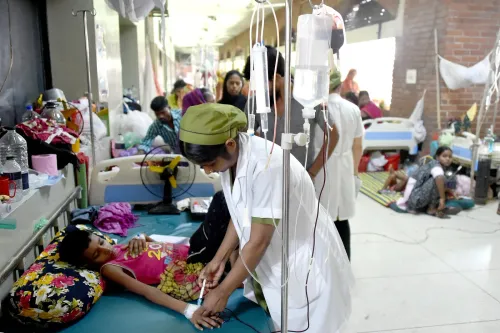
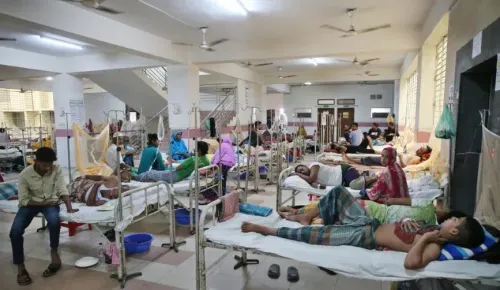
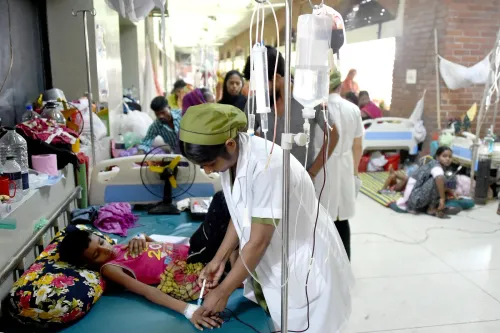
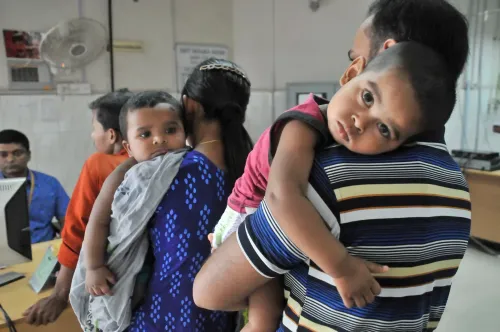
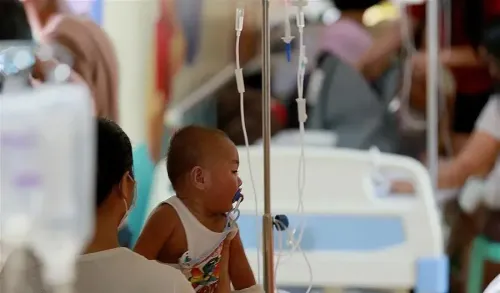
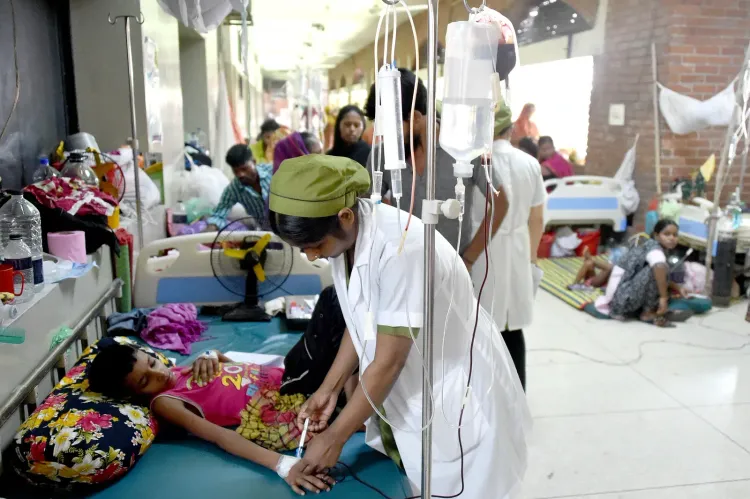
Bangladesh's measles outbreak has claimed at least five more children's lives in a single 24-hour period, pushing the combined confirmed and suspected death toll to 943 as of 25 August 2026, according to the country's Directorate General of Health Services (DGHS). The escalating crisis, which has now recorded over 1.5 lakh suspected cases, is being described by international health advocates as one of Bangladesh's worst preventable public health emergencies in recent history.
Latest Case and Fatality Numbers
The DGHS confirmed that the five newest deaths are classified as suspected fatalities, bringing the suspected death count to 844 while confirmed deaths remain at 99. In the same 24-hour window, 986 new suspected cases were logged, raising the cumulative suspected case tally to 1,51,638. An additional 91 confirmed cases were added, taking total confirmed infections to 18,578.
How the Crisis Unfolded
According to a report titled 'Preventable Tragedy: Bangladesh's 2026 Measles Outbreak' by the Canada-based Global Centre for Democratic Governance (GCDG), the outbreak — while appearing sudden to the public — was not unexpected from an epidemiological standpoint. The GCDG attributed the crisis to a convergence of systemic failures during 2024–2025, including disruptions to vaccine supply chains, missed routine immunisations, cancellations of supplementary immunisation programmes, administrative delays in procurement, and a failure to identify at-risk child populations in time.
Notably, measles vaccination coverage in Bangladesh fell to 56.2 per cent in 2025 — the lowest level recorded in the period from 2017 to 2025, according to Expanded Programme on Immunisation (EPI) data cited in the GCDG report.
The Vaccine Procurement Breakdown
Bangladesh had long sourced WHO-approved vaccines through UNICEF's international supply chain. However, according to the GCDG report, the former interim government led by Muhammad Yunus replaced this system with an open tender procurement process. The report, citing UNICEF, states that the agency issued between five and six formal warnings to the interim government about a potential vaccine shortage, backed by approximately 10 meetings held between 2024 and 2026. Those warnings reportedly went unheeded.
The World Health Organisation (WHO) subsequently identified a nationwide stock-out of the measles-rubella (MR) vaccine during 2024–2025 and the absence of regular vaccination as the primary drivers behind the collapse in childhood immunity that enabled the 2026 outbreak.
What This Means Going Forward
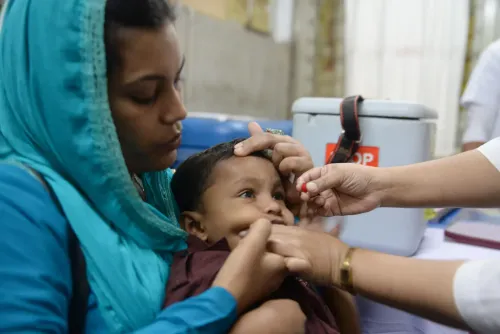
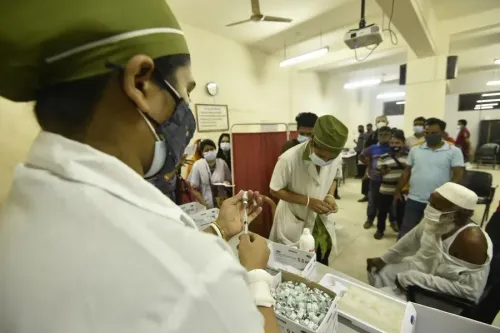
With 986 new suspected cases reported in a single day, the outbreak shows no signs of slowing without an immediate, large-scale vaccination response. Health advocates stress that measles is entirely preventable with two doses of the MR vaccine, making the scale of this crisis a stark indictment of procurement and governance failures. Bangladesh's health authorities and international partners face urgent pressure to restore vaccine supply, mount catch-up immunisation drives, and shore up surveillance systems before the toll climbs further.
Point of View
Citing UNICEF's own communications, makes clear that warnings were issued repeatedly and ignored. Replacing a WHO-vetted UNICEF supply chain with an open tender process for vaccines — one of the most time-sensitive health commodities — was a governance decision with predictable consequences. The 943 deaths and 1.51 lakh cases are the ledger of that decision. What mainstream coverage risks missing is the accountability gap: no public reckoning has yet been demanded of the officials who received those five to six UNICEF letters and did not act. Until that changes, the structural vulnerability that caused this outbreak remains intact.
NationPress
25 Aug 2026
Frequently Asked Questions
What is the current death toll from the Bangladesh measles outbreak?
As of 25 August 2026, the combined confirmed and suspected death toll from the Bangladesh measles outbreak stands at 943 — 99 confirmed deaths and 844 suspected deaths — according to the Directorate General of Health Services (DGHS). Five of those deaths were reported in a single 24-hour period ending Tuesday morning.
How many measles cases have been reported in Bangladesh in 2026?
Bangladesh has recorded 1,51,638 suspected measles cases and 18,578 confirmed cases as of 25 August 2026. The DGHS logged 986 new suspected cases and 91 new confirmed cases in just the 24 hours leading up to Tuesday.
Why did the measles outbreak happen in Bangladesh?
The outbreak resulted from a collapse in vaccination coverage, which fell to 56.2% in 2025 — the lowest since 2017. WHO identified a nationwide stock-out of the measles-rubella vaccine during 2024–2025, caused by the former interim government's decision to replace UNICEF's supply chain with an open tender procurement process, leading to critical delays.
Did UNICEF warn Bangladesh about the vaccine shortage?
Yes. According to the GCDG report, UNICEF sent five to six formal letters and participated in around 10 meetings with the former interim government between 2024 and 2026, warning of an impending vaccine shortage. Those warnings reportedly did not result in corrective action before the stock-out occurred.
What is the GCDG report on the Bangladesh measles outbreak?
The 'Preventable Tragedy: Bangladesh's 2026 Measles Outbreak' report was published by the Canada-based Global Centre for Democratic Governance (GCDG). It concludes that the outbreak was not epidemiologically unexpected and attributes it to vaccine supply disruptions, missed routine immunisations, cancelled supplementary programmes, and procurement failures under the former interim government led by Muhammad Yunus.