Modi-Netanyahu bond lays groundwork for enduring India-Israel partnership
Synopsis
A Times of Israel analysis argues the Modi-Netanyahu 'bromance' tag undersells what is actually happening: two ancient civilisations finding strategic common ground. The real question it raises — whether Israel's next government will treat this as a national asset or let it erode — is the one both New Delhi and Jerusalem should be asking.
Key Takeaways
A Times of Israel report says PM Narendra Modi and PM Benjamin Netanyahu have brought renewed momentum to India-Israel relations through personal trust.
Full diplomatic ties were established in 1992 , but the current leadership has elevated the partnership to a new level.
Both nations share ancient civilisational histories, challenging security environments, and centuries of Jewish community life in Kochi and Mumbai .
Cooperation spans defence , agriculture , water management , cyber security , and technology .
The report urges Israel's next government to treat the relationship as a national asset to be institutionalised, not a leader-dependent arrangement.
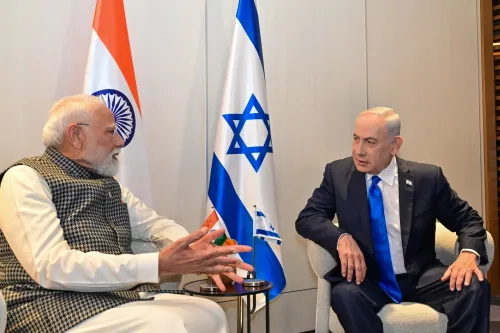
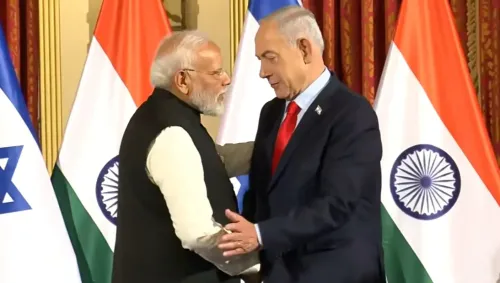
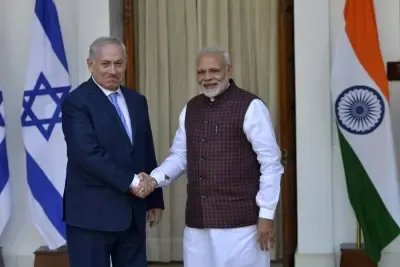
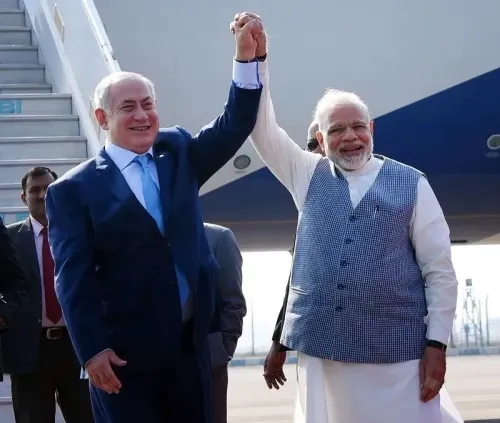
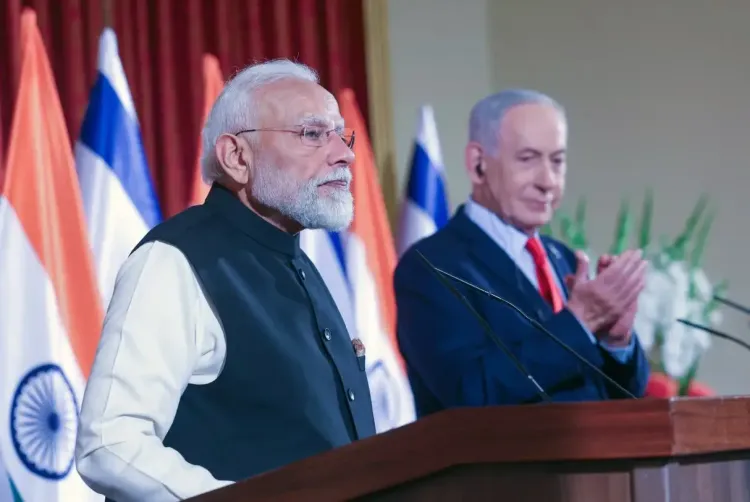
Prime Minister Narendra Modi and Israeli Prime Minister Benjamin Netanyahu have injected fresh momentum into India-Israel relations, with their close personal rapport helping deepen mutual trust and accelerate bilateral engagement across defence, technology, and diplomacy, according to a report published by The Times of Israel. The analysis argues that the warmth between the two leaders is not mere political choreography but reflects a deeper confidence between two ancient civilisations.
More Than Personal Chemistry
The report draws a sharp distinction between transactional state relationships and those rooted in trust. India and Israel, it notes, are among the rare pairings where the personal bond between leaders reflects something structurally deeper. 'The warmth between the two men is the visible surface of something deeper, a confidence between two old societies that each recognise in the other a long memory, a stubborn continuity and an unwillingness to disappear,' the report stated.
Critics and commentators have often reduced the Modi-Netanyahu dynamic to a 'bromance' — a phrase the report explicitly challenges as insufficient to capture the strategic architecture the two leaders have built.
Shared History and Strategic Alignment
The report highlights several factors that make India-Israel ties distinctive. Both are ancient civilisations that endured major catastrophes before emerging as modern democratic states. Both also face challenging security environments where terrorism remains a persistent threat.
Notably, India's Jewish communities — in Kochi, Mumbai, and elsewhere — lived for centuries as an integrated part of Indian society, a record the report describes as unusual in Jewish history. 'The contracts followed the confidence, not the other way round,' it observed, underscoring that cooperation in defence, agriculture, water, cyber, and technology grew organically from this shared foundation.
Formal diplomatic relations between the two countries were established in 1992, though security cooperation had been ongoing under successive governments before the current leadership elevated the partnership's profile and scope.
The Test of Institutionalisation
The central argument of the report is a forward-looking one: the true measure of the Modi-Netanyahu partnership will be whether it outlasts the two men who built it. Bilateral friendships anchored in personal rapport frequently weaken or stall when leaders leave office — a pattern both countries have seen in other diplomatic relationships.
'That is the responsibility facing Israel's next government. It should not manage the relationship as a diplomatic gesture, or discard it as an inheritance from a rival. It should treat it as a national asset to be institutionalised, shielded from partisan contest and extended into society,' the report urged.
What Comes Next
The report stops short of prescribing specific policy steps but makes clear that the onus lies on Israel's future leadership to convert a leader-driven partnership into a people-to-people, institution-to-institution relationship. For India, the bilateral architecture — spanning defence procurement, agricultural technology transfer, and cyber cooperation — already has structural depth, but both sides would benefit from deepening parliamentary, academic, and civil society ties to reduce dependence on executive rapport.
How Israel's next government chooses to steward this relationship will ultimately determine whether the Modi-Netanyahu era marks a temporary peak or a genuine inflection point in one of Asia's more consequential bilateral partnerships.
Point of View
Technology transfers, and diplomatic visibility — but it has also made the relationship structurally dependent on two men whose political futures are uncertain. India's foreign policy architecture rarely struggles with this problem because New Delhi tends to build institutional frameworks around bilateral relationships; the question is whether Jerusalem will do the same. If it does not, the next Israeli coalition — especially one that views Netanyahu as a rival's legacy — could allow the relationship to drift, which would be a strategic cost for both countries at a moment when the Indo-Pacific and West Asian theatres are more interlinked than at any point in recent history.
NationPress
3 Nov 2026
Frequently Asked Questions
What does the Times of Israel report say about Modi and Netanyahu?
The report argues that the personal bond between PM Narendra Modi and PM Benjamin Netanyahu represents more than political chemistry — it reflects a deeper mutual confidence between two ancient civilisations with shared security concerns and historical ties. It describes the relationship as one built on trust rather than mere transactional interest.
When were full India-Israel diplomatic relations established?
Full diplomatic relations between India and Israel were formally established in 1992. Security and defence cooperation had, however, continued under successive governments on both sides even before the current leadership elevated the partnership's profile.
What sectors does India-Israel cooperation cover?
India-Israel bilateral cooperation spans defence, agriculture, water management, cyber security, and technology. According to the report, these ties grew organically from a foundation of mutual trust and historical connections, including centuries of Jewish community life in Indian cities such as Kochi and Mumbai.
Why does the report warn about the future of the India-Israel partnership?
The report cautions that relationships built primarily on personal rapport between leaders often weaken when those leaders leave power. It urges Israel's next government to institutionalise the partnership — shielding it from partisan politics and extending it into society — so it survives beyond the tenures of Modi and Netanyahu.
What historical connection exists between India and the Jewish people?
India's Jewish communities, particularly in Kochi and Mumbai, lived for centuries as an integrated part of Indian society — a record described in the report as unusual in Jewish history. This shared past, the report argues, gives the two societies a foundation for bilateral ties that few other country pairings can claim.