Trump vows to 'hit them very hard' after 5 missiles intercepted
Synopsis
Five ballistic missiles aimed at US forces were intercepted on 30 July — and Trump's response from the White House was unambiguous: 'It's our turn to hit them.' With a military strike reportedly in preparation, tariffs on Iran being pushed in Congress, and Xi Jinping's assurances being tested, this is the most direct US escalation signal in the current Middle East cycle.
Key Takeaways
President Trump on 30 July vowed forceful US retaliation after five ballistic missiles targeting American forces were intercepted.
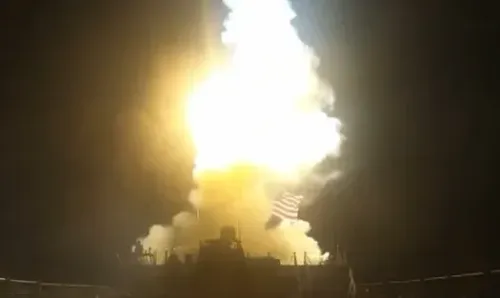
All five projectiles, travelling at approximately 8,500 miles per hour , were shot down by the Patriot missile-defence system .
A separate drone attack on an LNG tanker off Egypt was also reported and attributed to Iran-backed groups.
Trump said one group involved had 'already apologised' but insisted the US would still respond militarily.
Chinese President Xi Jinping reportedly assured Trump that Beijing would not supply weapons to Iran ; Xi is expected in the US around 24 September .
Trump urged Congress to impose tariffs on Iran in addition to existing sanctions, signalling a potential economic escalation.
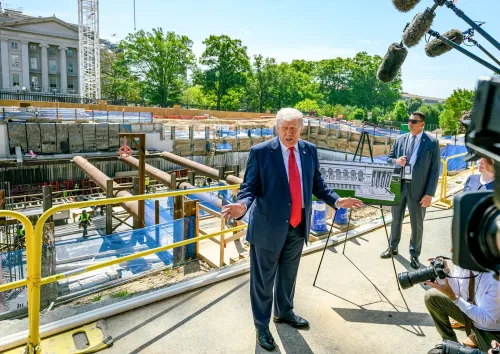
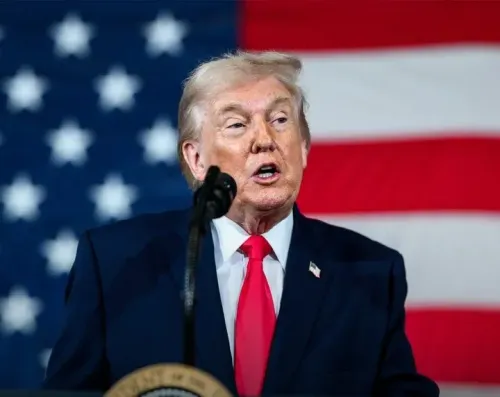
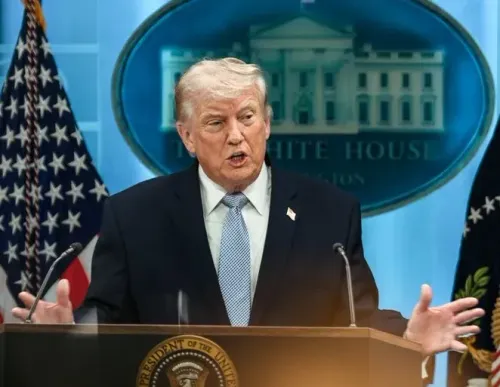
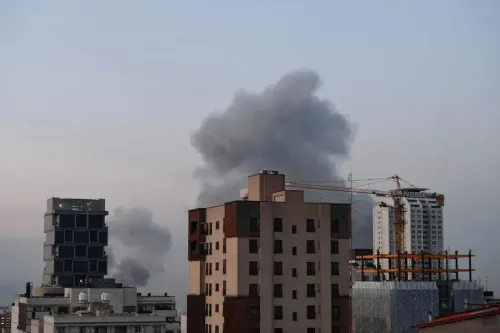
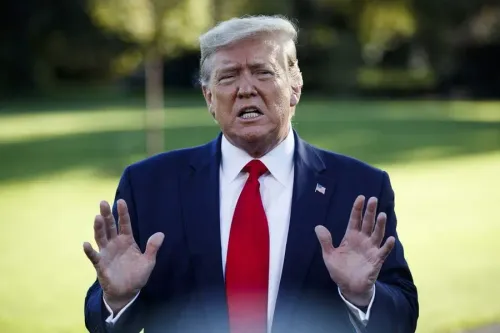
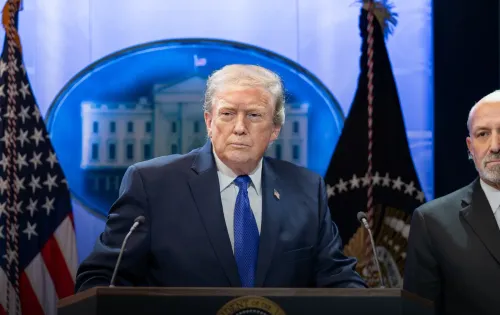
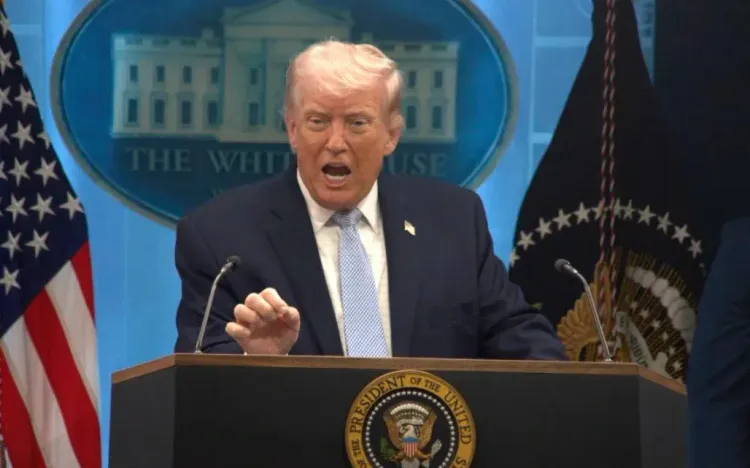
President Donald Trump on Wednesday, 30 July vowed that the United States would retaliate forcefully against Iran-backed forces after American air-defence systems intercepted five incoming ballistic missiles, declaring from the White House: 'It's our turn to hit them.' The remarks came amid escalating tensions across the Middle East and followed a reported drone attack on an LNG tanker off Egypt.
What Happened
Trump said he had been briefed on the missile salvo, which he described as travelling at roughly 8,500 miles per hour, and confirmed that all five projectiles were brought down by the Patriot missile-defence system. 'We had five rockets shot going 8,500 miles an hour, and all five rockets were knocked down to the ground,' he said. 'But they nevertheless took a shot, so it's our turn.'
The President also referenced a separate drone strike on an LNG tanker near Egypt, suggesting the incidents were connected to the broader pattern of Iran-linked aggression in the region. He indicated Washington was actively preparing a military response while leaving open the possibility of a negotiated settlement. 'We'll see if we get there with an agreement at some point, but we're going to hit them very hard,' Trump said.
Trump on China, Iran, and Weapons Transfers
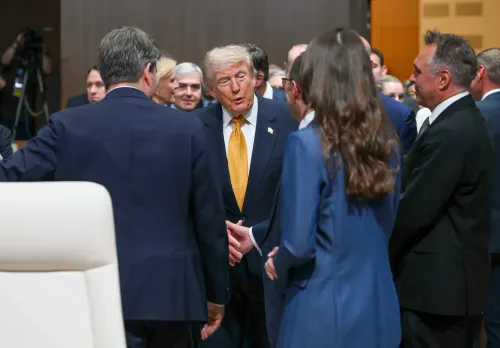
Trump addressed reports that Iran could receive hundreds of rocket launchers from China via Pakistan, calling the prospect surprising and saying Chinese President Xi Jinping had personally assured him Beijing would not supply weapons to Tehran. 'He told me very strongly he wouldn't partake, and he knows I'd be quite disappointed,' Trump said, adding that Xi is expected to visit the US around 24 September.
Notably, Trump also said one group involved in the attacks had already apologised. 'It was a different group than we're dealing with. They've already apologised, but we've got to smack them a little bit,' he said — a remark that underscores the fragmented nature of the Iran-backed militia landscape Washington is navigating.
Push for Tariffs on Iran
Beyond military action, Trump urged Congress to go further than existing sanctions legislation and impose tariffs on Iran. 'I'd like them to add Iran as tariffs, not just as sanctions. I think it's important... I'd like to see tariffs on Iran; it would make it much stronger,' he said. The call signals a potential economic escalation layer on top of any military response.
Ukraine and Broader Diplomacy
On the sidelines of the same White House session, Trump briefly addressed his meeting with Ukrainian President Volodymyr Zelensky, describing it as 'good' and reiterating his desire to end the war in Ukraine. 'I get along with President Putin; I get along with President Zelensky. I said, just end the war,' he said. The remarks reflect Trump's stated preference for bilateral dealmaking over multilateral frameworks, even as the Middle East situation demands simultaneous attention.
Washington has maintained it will respond to any attack on American personnel or military installations while pursuing diplomatic channels to prevent a wider regional conflict. With Trump's rhetoric now explicitly promising imminent strikes, the next 48 to 72 hours are likely to be pivotal for US posture in the region.
Point of View
The administration has staked credibility on follow-through, leaving little room for de-escalation without political cost. The distinction Trump drew between the group that 'apologised' and the one still being engaged hints at a fractured adversary landscape that US military planners must navigate carefully — broad strikes risk uniting factions that are currently divided. The push for Iran tariffs alongside sanctions is also notable: it suggests the administration is building an economic siege layer that could outlast any single military exchange, and may be the more durable pressure tool.
NationPress
30 Jul 2026
Frequently Asked Questions
Why did Trump threaten to retaliate against Iran-backed forces on 30 July?
Trump said US forces intercepted five ballistic missiles fired at American positions, and a drone attack on an LNG tanker off Egypt was also attributed to Iran-backed groups. He declared it was now 'our turn to hit them' and said a military response was being prepared.
How were the five missiles stopped?
All five incoming ballistic missiles, reportedly travelling at around 8,500 miles per hour, were intercepted by the US Patriot missile-defence system. Trump credited the Patriot as 'the greatest equipment in the world' and said no other country could have achieved the same result.
What did Trump say about China supplying weapons to Iran?
Trump said he would be surprised if China supplied Iran with rocket launchers via Pakistan, citing a direct personal assurance from Chinese President Xi Jinping that Beijing would not participate. He added that Xi is expected to visit the US around 24 September.
What economic measures did Trump propose against Iran?
Trump urged Congress to impose tariffs on Iran in addition to existing sanctions, arguing that tariffs would make the pressure 'much stronger.' The call represents a potential new economic escalation layer beyond the military response already being signalled.
Did Trump rule out a diplomatic resolution with Iran?
No. While vowing military strikes, Trump left open the possibility of a future agreement, saying 'we'll see if we get there with an agreement at some point.' He also noted that one group involved in the attacks had already apologised, though he said the US would still respond.