Pakistan cuts fuel for state vehicles as Gulf supply disruptions push prices higher
Synopsis
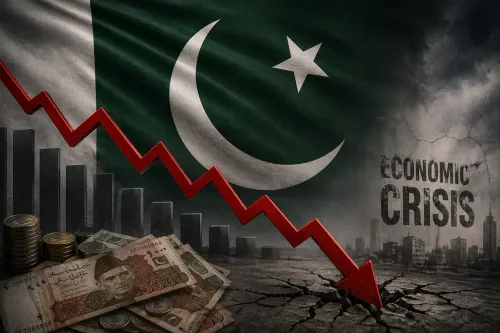
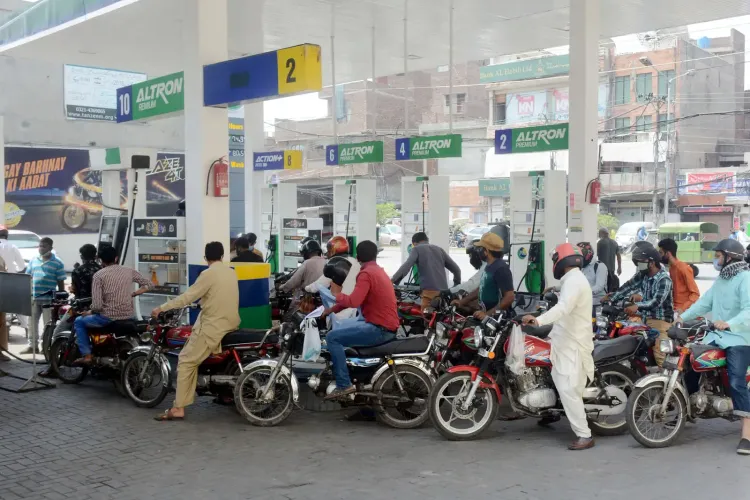
Pakistan has rolled out its second austerity package of 2026, cutting fuel for official vehicles and banning new state car purchases as Gulf oil supplies tighten following Iran's clampdown on the Strait of Hormuz. With a debt-to-GDP ratio near 70% and exports at a multi-decade low of 10.4% of GDP, the measures signal deepening fiscal stress rather than a one-off response to an energy shock.
Key Takeaways
Pakistan announced its second austerity package of 2026 on 18 September , cutting fuel allocations for official vehicles and banning new state vehicle purchases.
A fuel subsidy of 100 Pakistani rupees per litre was introduced for motorcycle, rickshaw, and small-car owners on a capped monthly quota.
Gulf oil supplies have been disrupted since 28 February , when Iran tightened control over the Strait of Hormuz following reported joint Israel-US strikes on Iranian territory.
Pakistan's debt-to-GDP ratio stands at nearly 70% , while its export share of GDP has fallen from 16% in the 1990s to 10.4% in 2024 .
Reported UAE debt repayment demands and rising defence spending are adding further pressure on Pakistan's fiscal position.
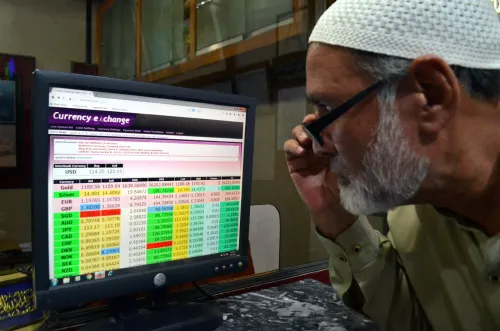
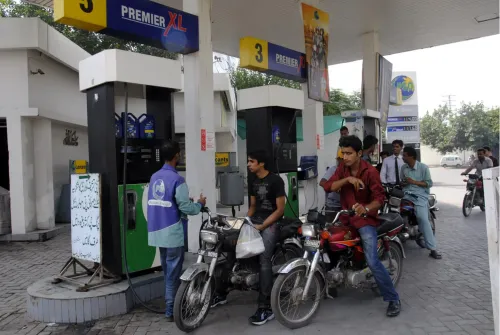
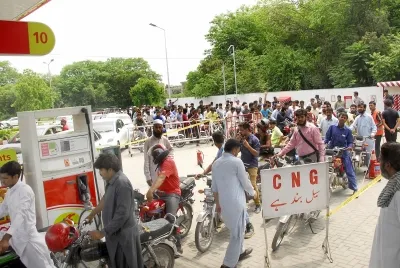
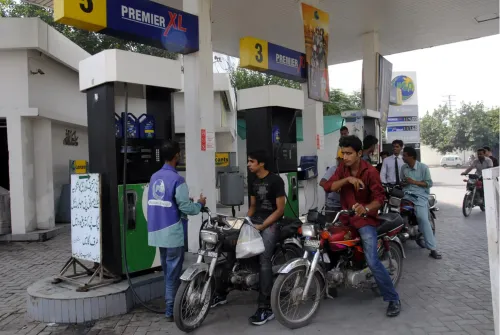
Pakistan has announced a fresh round of austerity measures, including sharply reduced fuel allocations for official vehicles, as petrol and diesel prices surge amid disruptions to Gulf oil supplies tied to the ongoing West Asian conflict. The measures, reported on 18 September 2026, mark the second such austerity package this year and reflect the mounting fiscal pressure on Islamabad.
What the Austerity Package Covers
According to multiple reports, the latest measures include a ban on state purchases of new vehicles, restrictions on foreign travel by government officials, and curbs on official dinners. State bodies have also been directed to halt purchases of durable goods — with the exception of IT equipment — and to shift to teleconferencing in place of in-person meetings.
In a separate move aimed at easing pressure on ordinary citizens, the government introduced a fuel subsidy of 100 Pakistani rupees per litre for owners of motorcycles, rickshaws, and small cars, applicable on a capped monthly quota.
A Pattern of Crisis-Driven Cuts
This is not the first time Pakistan has resorted to such measures in 2026. In March, the government closed schools for two weeks, curtailed fuel use across departments, and pushed private companies to expand remote working — all in a bid to conserve energy. The recurrence of austerity cycles underscores the structural fragility of Pakistan's economy, which carries a debt-to-GDP ratio of nearly 70%.
Notably, Pakistan's share of exports as a proportion of GDP has declined significantly — from roughly 16% in the 1990s to approximately 10.4% in 2024 — limiting the country's ability to generate the foreign exchange needed to service its obligations.
The Gulf Supply Disruption
The immediate trigger for rising fuel costs is the disruption to Gulf oil supplies following Iran's tightening of control over the Strait of Hormuz on 28 February, after reported joint strikes on Iranian territory by Israel and the United States. Iran's Islamic Revolution Guard Corps (IRGC) navy subsequently reported striking an oil tanker it described as making an 'illegal' passage through the strait — an incident that has heightened tensions and further strained global energy flows.
For Pakistan, which is heavily reliant on Gulf energy imports, the timing could not be worse. The country is already grappling with a reported demand from the UAE for debt repayment, which, combined with the Iran-linked supply crunch, has compounded pressure on its external accounts.
Wider Economic Strain
Analysts have pointed to structural fault lines beyond the current energy shock. Pakistan's rising defence expenditure has reportedly squeezed allocations for health and education — spending categories widely regarded as essential to long-term economic stability. With the debt burden continuing to grow and export competitiveness in decline, the recurring austerity cycles may offer only short-term relief without addressing the underlying imbalances.
Whether these measures prove sufficient to stabilise government finances will depend largely on how long the disruption to Gulf supplies persists and whether diplomatic channels can ease Hormuz transit tensions.
Point of View
Not just an energy-price shock. A debt-to-GDP ratio of 70% and a decade-long slide in export competitiveness mean each external disruption — whether a Gulf supply crunch or a UAE repayment demand — hits harder than the last. The fuel subsidy for low-income vehicle owners is a necessary cushion, but it adds to the fiscal deficit the very measures are supposed to contain. The critical question is whether Islamabad can convert short-term crisis management into a credible medium-term adjustment path — something that has eluded successive governments.
NationPress
18 Sept 2026
Frequently Asked Questions
Why has Pakistan cut fuel for government vehicles?
Pakistan reduced fuel allocations for official vehicles as part of a fresh austerity drive announced in September 2026, aimed at cutting government spending as petrol and diesel prices rise sharply. The price surge is linked to disruptions in Gulf oil supplies caused by Iran's actions in the Strait of Hormuz.
What other austerity measures has Pakistan announced?
Alongside fuel cuts, the government has banned state purchases of new vehicles, restricted foreign travel by officials, curbed official dinners, halted purchases of durable goods by state bodies (except IT equipment), and directed a shift to teleconferencing for meetings.
Has Pakistan taken similar austerity steps before?
Yes. In March 2026, Pakistan shut schools for two weeks, reduced fuel use across government departments, and encouraged companies to expand remote working to conserve energy. The September package is the second round of such measures in 2026.
How is the West Asian conflict affecting Pakistan's fuel prices?
Iran tightened its grip on the Strait of Hormuz on 28 February 2026 following reported joint strikes by Israel and the United States on Iranian territory. The IRGC navy also reported striking an oil tanker attempting passage through the strait, disrupting Gulf oil flows on which Pakistan heavily depends.
What is the state of Pakistan's economy?
Pakistan's debt-to-GDP ratio stands at nearly 70%, while its share of exports in GDP has fallen from about 16% in the 1990s to approximately 10.4% in 2024. Rising defence spending has reportedly squeezed health and education budgets, and a reported UAE demand for debt repayment has added further strain to external accounts.