Pakistan fuel prices near Rs 400/litre as economic strain deepens: Report
Synopsis
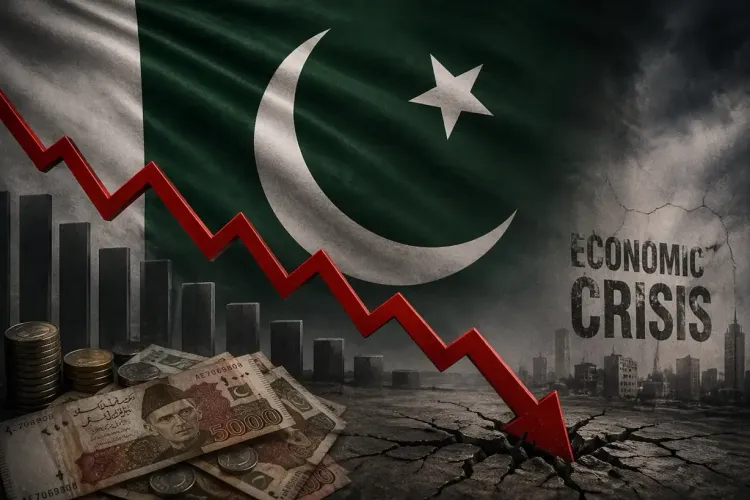
Pakistan is caught in a perfect economic storm — fuel prices near Rs 400 a litre, a central bank rate at 11.5%, and inflation spiking to 10.9% in April. With the Strait of Hormuz disruption cutting a record 12 million barrels per day of global supply, the country's deep Gulf dependency could push fiscal stress well into FY27.
Key Takeaways
Petrol and high-speed diesel in Pakistan are approaching Rs 400 per litre , deepening household and government strain.
The State Bank of Pakistan raised its policy rate to 11.5 per cent to combat inflation that hit 10.9 per cent year-on-year in April 2025 , up from 7.3 per cent in March .
The IMF estimates a 10 per cent oil price rise trims GDP by 0.5 percentage points and raises inflation by 1 percentage point for MENAP oil-importers.
A sustained oil price near $100 per barrel could cost Pakistan Rs 1.38 trillion on its current account and Rs 459 billion in fiscal terms, potentially spilling into FY27 .
The Strait of Hormuz disruption has caused the largest oil-supply shock on record, with peak losses exceeding 12 million barrels per day — about 11.5 per cent of global demand.
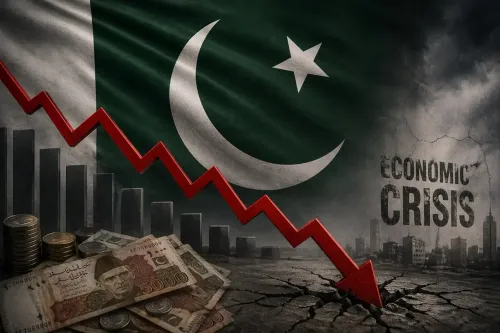
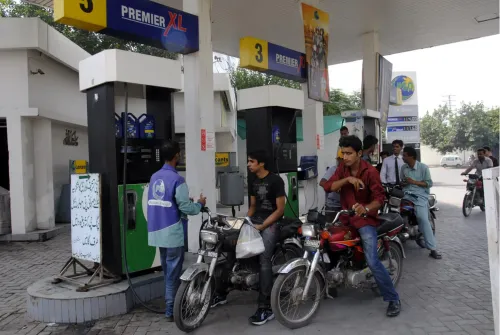
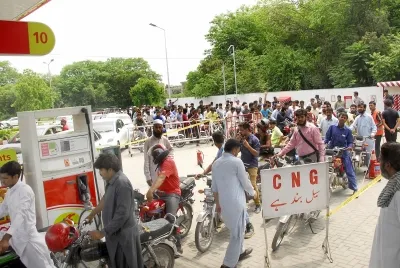
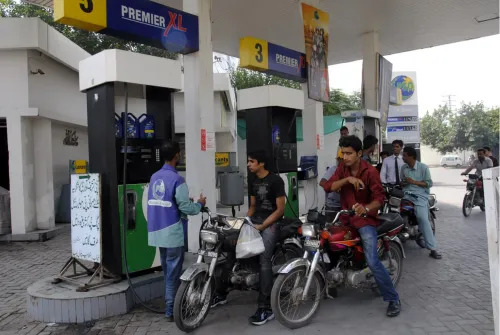
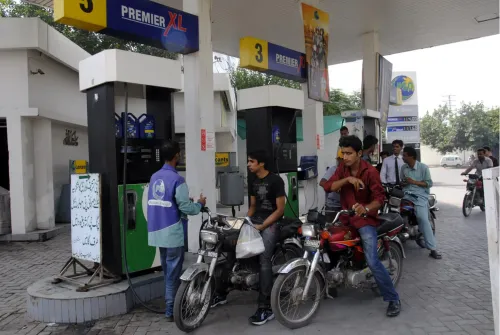
Pakistan has entered a severe phase of economic stress as petrol and high-speed diesel prices approach Rs 400 per litre, compounding pressures on households and the government, according to a report by Pakistan-based The News International, cited on 8 May.
Key Developments
The State Bank of Pakistan's decision to hike its policy rate to 11.5 per cent has added further strain on borrowers, even as citizens grapple with soaring living costs. The central bank's move was aimed at reining in inflation, which surged to 10.9 per cent year-on-year in April from 7.3 per cent in March — a sharp spike that has alarmed policymakers.
Point of View
But it simultaneously raises borrowing costs for businesses and households already squeezed by near-Rs 400 fuel. The IMF's MENAP framework offers a useful lens, but Pakistan's fiscal buffers are thinner than the regional average, meaning the same oil shock hits harder here. Without a credible medium-term energy diversification plan, this cycle — shock, hike, squeeze — will repeat.
NationPress
25 Sept 2026
Frequently Asked Questions
Why are fuel prices rising so sharply in Pakistan?
Pakistan's fuel prices are approaching Rs 400 per litre primarily due to the ongoing Middle East conflict, which has disrupted global oil supply through the closure of the Strait of Hormuz. Peak supply losses have exceeded 12 million barrels per day, or about 11.5 per cent of global demand, pushing prices higher for import-dependent economies like Pakistan.
What is the State Bank of Pakistan's current policy rate and why was it hiked?
The State Bank of Pakistan raised its policy rate to 11.5 per cent to counter a sharp rise in inflation, which surged to 10.9 per cent year-on-year in April 2025 from 7.3 per cent in March. The hike aims to reduce inflationary pressure but adds to borrowing costs for households and businesses.
How does the Middle East conflict affect Pakistan's economy?
Pakistan is heavily exposed to the Gulf economy through energy imports and remittances from workers in the region. The conflict risks disrupting energy shipments, slowing Gulf construction, and reducing workers' incomes and capital flows back to Pakistan, compounding its existing economic pressures.
What does the IMF estimate about oil price shocks for Pakistan?
The IMF estimates that a 10 per cent rise in oil prices typically reduces GDP by about 0.5 percentage points and raises inflation by roughly 1 percentage point for MENAP oil-importers. For Pakistan, a sustained oil price near $100 per barrel could mean a Rs 1.38 trillion hit to its current account and a Rs 459 billion fiscal impact, potentially extending into FY27.
What makes the current oil disruption different from past shocks?
Unlike previous oil shocks that primarily affected crude oil, the current disruption linked to the Middle East conflict and Strait of Hormuz closure has simultaneously impacted crude, natural gas, refined fuels, and fertiliser imports. This broader scope makes the economic damage more severe and wide-ranging for import-dependent nations like Pakistan.