Pakistan fuel and power price hikes spark muted public response amid poverty crisis
Synopsis
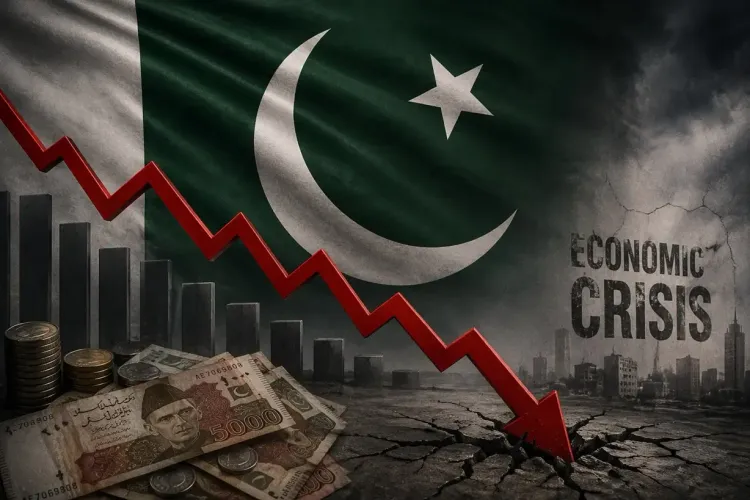
Nearly half of Pakistan's population lives below the poverty line, yet repeated hikes in fuel, electricity and gas prices have drawn little mass protest — a striking reversal from earlier eras when even modest price rises sparked nationwide movements. The Friday Times report points to political fragmentation, a leaderless opposition, and declining civic confidence as the forces keeping public frustration bottled up.
Key Takeaways
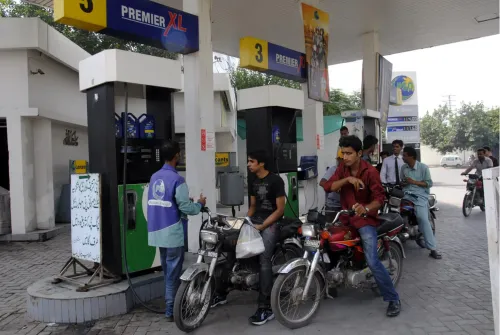
Persistent hikes in fuel , electricity , and gas prices in Pakistan are deepening the cost-of-living crisis, according to a The Friday Times report.
Nearly half of Pakistan's population now lives below the poverty line, with lower- and middle-income households bearing the heaviest burden.
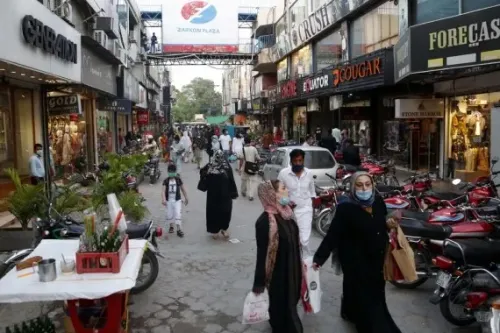
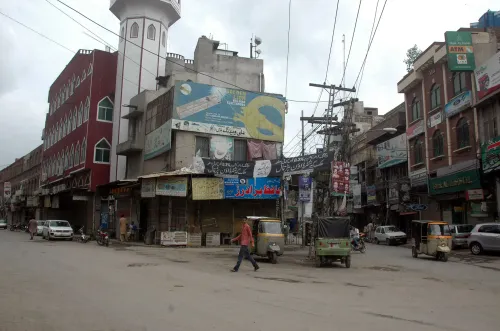
Large-scale public protests against price increases have remained limited despite severe economic hardship.
The muted response is attributed to political fragmentation , weak opposition mobilisation, and declining public confidence in policymaking.
Pakistan's youth — a majority of the population — has yet to translate economic grievance into organised political action, experts say.
The report warns that without governance and institutional reform, rising costs will continue to worsen household economic insecurity.
Mounting concerns are emerging in Pakistan over persistent hikes in fuel, electricity, and gas prices, with the near-absence of large-scale public resistance pointing to a complex mix of deep economic vulnerability and a fractured political landscape, according to a report by The Friday Times. The report, cited on 18 September 2026, warns that rising living costs are placing severe strain on households already battling inflation and weakened purchasing power.
Scale of the Economic Burden
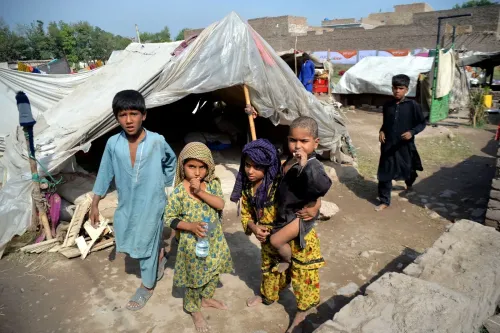
According to the report, nearly half of Pakistan's population now lives below the poverty line, underscoring the acute pressure on lower- and middle-income groups. Repeated hikes in petroleum product prices and utility tariffs have had a cascading effect on transport, food, and other essential commodities, compounding the cost-of-living burden across the country.
Why Protests Have Remained Limited
Despite the scale of economic hardship, large-scale public demonstrations against price increases have been notably absent. The report attributes this to a combination of political fragmentation, weak opposition mobilisation, a lack of unified leadership, and declining public confidence in the ability to influence policymaking. Notably, the report draws comparisons with earlier periods in Pakistan's history when far more modest price increases in essential goods triggered widespread public movements — a contrast that underlines how significantly the political and social environment has shifted.
The current situation, the report argues, reflects broader structural changes including stronger status quo tendencies and a reduced space for collective mobilisation.
The Youth Question
The debate has increasingly centred on Pakistan's large youth population, which accounts for a majority of the country's citizens. While young people are widely regarded as a potential engine of political and social change, experts cited in the report warn that economic uncertainty, social divisions, and the absence of cohesive leadership have so far limited organised action among this demographic.
What Lies Ahead
Unless governance, economic, and institutional challenges are addressed in a meaningful way, the report concludes, rising living costs will continue to weigh heavily on households — further deepening public frustration and economic insecurity across Pakistan. The trajectory suggests a population increasingly stretched thin, with limited channels through which to register dissent.
Point of View
Trade unions, student federations — has been systematically weakened. The youth-as-change-agent narrative is, for now, largely rhetorical. Without institutional channels for dissent, frustration accumulates silently, and that kind of pressure rarely dissipates peacefully.
NationPress
18 Sept 2026
Frequently Asked Questions
Why are fuel and electricity prices rising in Pakistan?
Pakistan has seen repeated hikes in petroleum product prices and utility tariffs as successive governments grapple with fiscal pressures and energy sector debt. These increases have a cascading effect on transport, food, and other essential goods, worsening the overall cost-of-living burden for ordinary households.
Why has there been little public protest against the price hikes in Pakistan?
According to a report by The Friday Times, the muted response stems from political fragmentation, weak opposition mobilisation, the absence of unified leadership, and declining public confidence in the ability to influence government policy. The report also notes stronger status quo tendencies and reduced space for collective mobilisation compared to earlier periods in Pakistan's history.
How severe is poverty in Pakistan amid these price increases?
Nearly half of Pakistan's population now lives below the poverty line, according to the report. Lower- and middle-income groups are under the greatest strain, with fuel price increases pushing up the cost of transport and food — essentials that consume a disproportionate share of poorer households' budgets.
What role could Pakistan's youth play in challenging rising prices?
Pakistan's youth make up a majority of the country's population and are often seen as a potential driver of political and social change. However, experts cited in the report say economic uncertainty, social divisions, and a lack of cohesive leadership have so far prevented organised action among young people.
What does the report say needs to change in Pakistan?
The Friday Times report argues that unless broader governance, economic, and institutional challenges are addressed, rising living costs will continue to strain households and deepen public frustration. It implies that structural reform — not just price relief — is required to break the cycle of economic insecurity.