PoK unrest: Thousands in Rawalakot declare freedom from Pakistan
Synopsis
Protesters in Rawalakot openly declared PoK 'not part of Pakistan' even as drones and artillery surrounded the rally — a dramatic escalation from reform demands to independence calls. With the JAAC banned, dozens dead, and elections due on 27 July, Islamabad's strategy of suppression appears to be deepening the very crisis it seeks to contain.
Key Takeaways
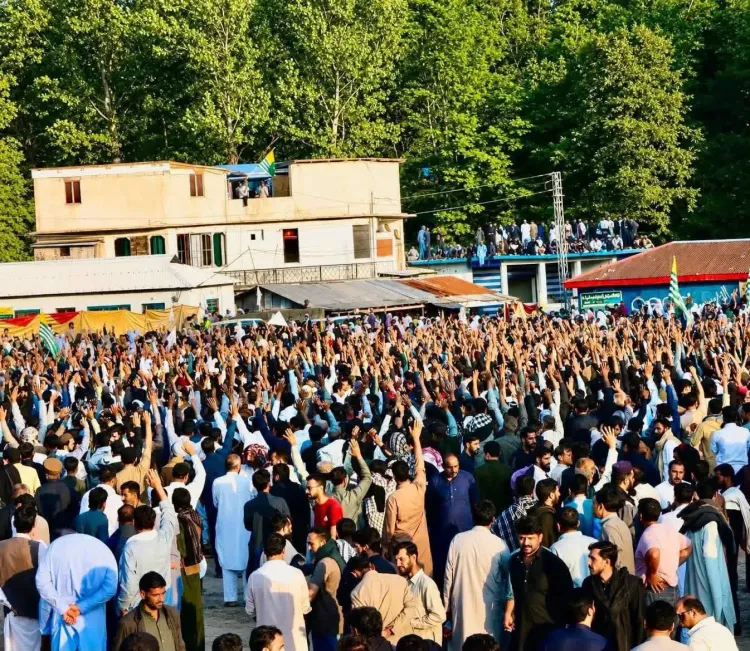
Thousands gathered at Eidgah Ground, Rawalakot on 30 June , chanting 'PoK is not part of Pakistan' and demanding freedom from Islamabad.
JAAC core member Sardar Aman Khan warned that continued suppression could push locals to seek closer ties with India .
Pakistani authorities banned the JAAC on 5 June , labelling it a 'terrorist' organisation; dozens have died in the ensuing unrest.
JAAC leader Shaukat Nawaz Mir alleged on X that the 'State has begun a massacre of our people in Rawalakot.' The International Centre for Peace Studies report found PoK among the 'least developed and exploited' regions despite decades of federal oversight.
Regional elections are scheduled for 27 July , though analysts say structural change under Islamabad's control remains unlikely.
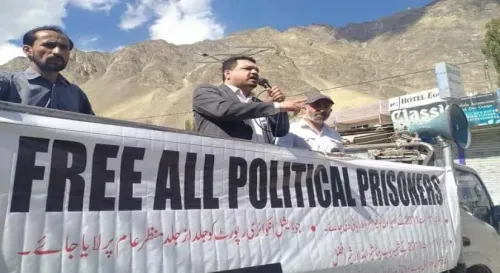
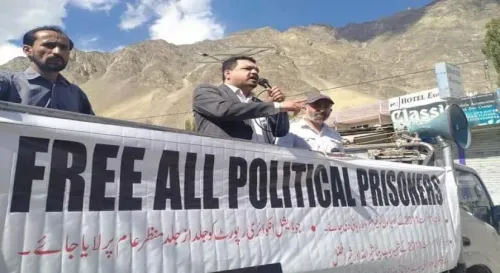
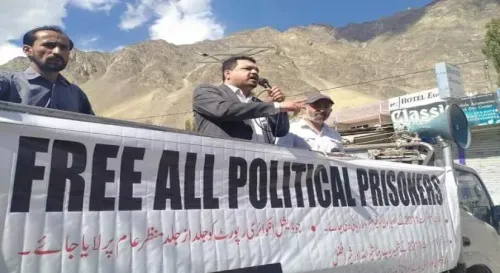
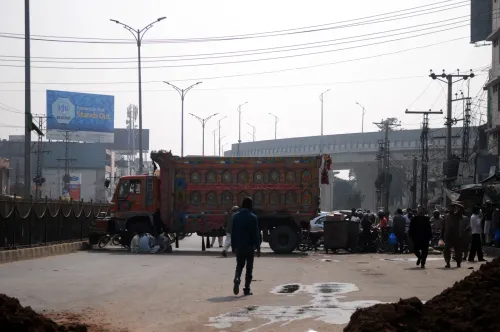
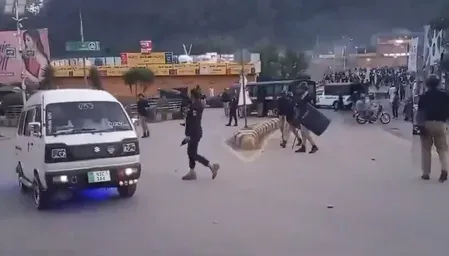
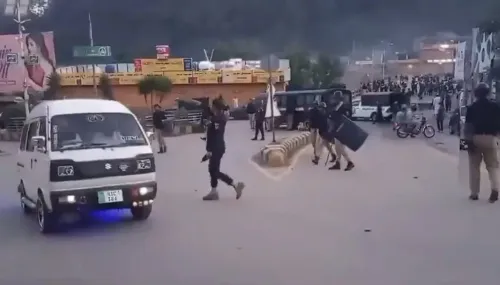
Thousands of protesters gathered at Eidgah Ground in Rawalakot, Pakistan-occupied Kashmir (PoK), on Tuesday, 30 June, openly declaring that the region is not part of Pakistan and demanding freedom from Islamabad's decades-long political control. The demonstration marks a sharp escalation in an unrest that has already left dozens dead, with what began as a local reform movement now crystallising into an open call for independence.
What Protesters Said
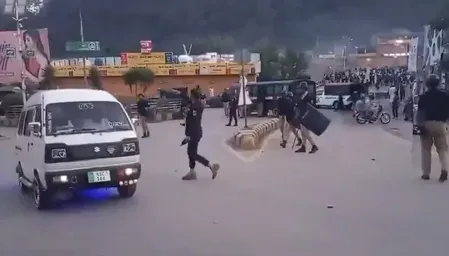
Chants of 'PoK is not part of Pakistan' and 'We want freedom' rang through the Eidgah Ground even as government surveillance drones hovered overhead and artillery was reportedly positioned on the ground. Sardar Aman Khan, a core member of the Joint Awami Action Committee (JAAC), addressed the crowd and warned that if Islamabad continued to crush the local resistance, people could seek closer ties with India. Khan further cautioned that a continued blockade on food supplies and essential goods could soon put Islamabad in a difficult position.
The JAAC Ban and Islamabad's Response
The current wave of unrest intensified after Pakistani authorities outlawed the JAAC on 5 June, branding the grassroots organisation a 'terrorist' group. Experts argue that this decision, combined with the deployment of lethal force, reflects a military-driven strategy to suppress dissent rather than address its root causes. The JAAC leader, Shaukat Nawaz Mir, wrote on X that the 'State has begun a massacre of our people in Rawalakot.'
Structural Roots of the Crisis
According to a recent report by the International Centre for Peace Studies, the party in power in Islamabad has consistently won elections in both PoK and Pakistan-occupied Gilgit-Baltistan (PoGB) — a pattern the report described as unlikely to be coincidental. The report characterised elections in the region as a 'facade', arguing that conditions created by Islamabad compel locals to align with the federal ruling party. Despite the logic that shared governance between federal and regional levels should improve development, PoK remains, according to the report, among the 'least developed and exploited' regions, much like PoGB.
Voices From the Ground and Diaspora
Rubina Hussain, writing on X, described the scene at Eidgah Ground: 'Even the government surveillance drones hovering over the Eidgah grounds in Rawalakot and the presence of artillery on the ground could not dampen the spirits of the people. This is a new era; the voice of rights cannot be suppressed by instilling fear in technology.' Several members of the Kashmiri diaspora also used social media to highlight what they described as growing atrocities by Pakistani forces in the region.
What Comes Next
With elections in PoK scheduled for 27 July, analysts say the existing political structure is unlikely to change, given Islamabad's firm grip on regional governance. The International Centre for Peace Studies report warned that interference from the federal government makes any meaningful reform of PoK's political structure improbable. As the unrest deepens, the coming weeks — and the conduct of the July elections — will be a critical test of whether Islamabad chooses accommodation or further suppression.
Point of View
Pushing crowds from reform demands to outright independence slogans. The International Centre for Peace Studies report lays bare a structural truth that Islamabad has long avoided: rigged electoral outcomes and chronic underdevelopment are not separate problems but the same problem. With elections due on 27 July, Islamabad faces a stark choice — a credible political opening or a deeper military clampdown that risks internationalising a crisis it has so far managed to keep below the global radar.
NationPress
30 Jun 2026
Frequently Asked Questions
What is happening in Rawalakot, PoK?
Thousands of protesters gathered at Eidgah Ground in Rawalakot on 30 June, chanting that PoK is not part of Pakistan and demanding freedom from Islamabad's control. The demonstration is the latest and most dramatic escalation in an ongoing unrest that has left dozens dead since Pakistani authorities banned the JAAC on 5 June.
Why was the JAAC banned by Pakistan?
Pakistani authorities outlawed the Joint Awami Action Committee (JAAC) on 5 June, designating it a 'terrorist' organisation. Experts argue the ban reflects a military-driven strategy to suppress grassroots resistance rather than address underlying grievances over governance and essential supplies.
What did JAAC leader Sardar Aman Khan say at the rally?
Sardar Aman Khan warned the Rawalakot gathering that if Islamabad continued to crush local resistance, people could seek closer ties with India. He also cautioned that a sustained blockade on food and essential goods could soon place Islamabad in a difficult position.
What are the elections scheduled in PoK and why do they matter?
Elections in PoK are scheduled for 27 July. Analysts and a recent International Centre for Peace Studies report say the existing political structure — in which the party in power in Islamabad consistently wins regional elections — is unlikely to change, making the vote a flashpoint for further unrest.
How developed is Pakistan-occupied Kashmir compared to other regions?
According to the International Centre for Peace Studies report, PoK remains one of the 'least developed and exploited' regions, comparable to Pakistan-occupied Gilgit-Baltistan. The report argues that Islamabad's political interference has prevented meaningful development despite decades of federal control.