South Korea's Serious Crimes Investigation Agency launches October with 2,874 staff
Synopsis
South Korea is dismantling a pillar of its prosecutorial system — stripping prosecutors of independent investigative powers and replacing them with a brand-new 2,874-strong Serious Crimes Investigation Agency launching in October. With six regional offices and a mandate spanning everything from cybercrimes to insurrection, the SCIA represents one of the most sweeping judicial overhauls in the country's modern history.
Key Takeaways
South Korea's Serious Crimes Investigation Agency (SCIA) is set to launch in October with 2,874 personnel , including 2,567 investigators .
The agency will investigate seven crime categories : corruption, economic crimes, defence acquisition, drug offences, state security crimes, cybercrimes, and distortion of the law.
Six regional offices will operate nationwide, each with specialised investigative divisions tailored to regional crime profiles.
The reform strips prosecutors of both independent and supplementary investigative powers — a landmark shift in South Korea's legal structure.
An external review procedure will allow independent experts to assess the legality and appropriateness of SCIA investigations.
Prosecutors and prosecution investigators may transfer to the SCIA without an examination , according to the interior ministry.
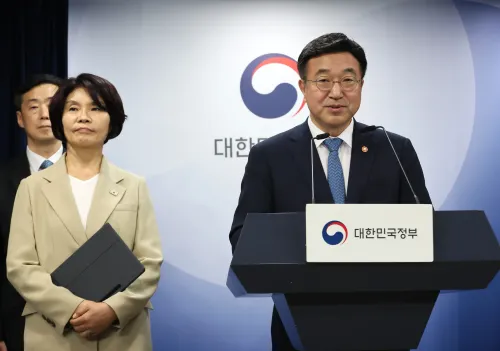
South Korea is set to launch a landmark new investigative body — the tentatively named Serious Crimes Investigation Agency (SCIA) — in October, staffed with 2,874 personnel and empowered to probe seven categories of major offences. The move is part of a sweeping judicial reform that strips prosecutors of both their independent and supplementary investigative powers, the country's interior ministry announced on Tuesday, 18 August.
Cabinet Approval and Organisational Structure
Implementing decrees detailing the SCIA's operational standards and organisational framework were approved at a Cabinet meeting earlier in the day. The agency will be staffed by 2,567 investigators and 307 general-service employees, with six regional offices spread across the country, each equipped with specialised investigative units tailored to regional crime patterns.
Seven Crime Categories Under SCIA's Mandate
The SCIA will have jurisdiction over seven distinct categories of major crimes: corruption, economic crimes, defence acquisition, drug offences, crimes against state security (including insurrection and foreign aggression), cybercrimes, and offences involving the distortion of the law. The breadth of this mandate signals an intent to centralise high-stakes investigations that were previously fragmented across prosecutorial offices.
Regional Offices and Specialised Divisions
Each regional office will carry a distinct investigative focus. The Seoul regional office will house a joint investigation division handling voice phishing, financial crimes, and virtual asset crimes. The Suwon office will maintain dedicated divisions for defence industry and industrial technology crimes, as well as drug offences. The Daejeon and Busan offices will focus on state financial crimes and international economic crimes, respectively.
Oversight, Transfers, and External Review
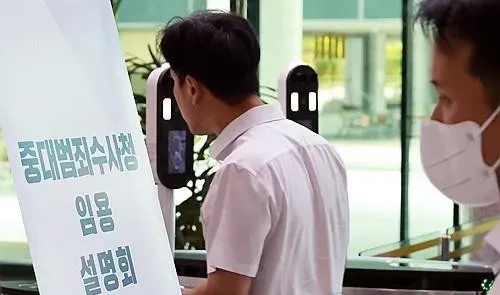
To ensure accountability, an investigation review procedure will allow external experts to assess the legality and appropriateness of SCIA investigations. Other investigative agencies will be required to notify the SCIA upon becoming aware of a major crime falling within its mandate. A candidate recommendation committee for the SCIA chief will put forward three or more candidates following a qualification review, with individuals, institutions, and organisations permitted to participate in the process. Notably, prosecutors and prosecution investigators will be allowed to transfer to the SCIA without sitting an examination, according to the interior ministry.
What Comes Next
With Cabinet approval secured, the SCIA is on track for its October launch. The reform marks one of the most significant restructurings of South Korea's prosecutorial system in recent memory, and its implementation will be closely watched by legal experts and civil society groups monitoring the balance of investigative power in the country.
Point of View
But it also concentrates significant power in a newly formed body whose leadership selection process and external oversight mechanisms are still being stress-tested. The regional specialisation model is sensible in theory, but the real question is whether the SCIA can build institutional credibility fast enough to handle politically sensitive cases — corruption and state security crimes especially — without being perceived as a tool of the government of the day. The transfer pathway for existing prosecutors, while pragmatic, risks importing the very institutional culture the reform was designed to change.
NationPress
2 Oct 2026
Frequently Asked Questions
What is South Korea's Serious Crimes Investigation Agency (SCIA)?
The SCIA is a new national investigative body approved by South Korea's Cabinet on 18 August, set to launch in October. It will employ 2,874 personnel and investigate seven categories of major crimes, replacing the independent investigative powers previously held by prosecutors.
When will the SCIA officially launch?
The SCIA is scheduled to launch in October, following Cabinet approval of its implementing decrees on 18 August. The decrees detail the agency's operational standards and organisational structure.
What crimes will the SCIA investigate?
The agency has jurisdiction over seven crime categories: corruption, economic crimes, defence acquisition, drug offences, crimes against state security (including insurrection and foreign aggression), cybercrimes, and offences involving the distortion of the law.
How will the SCIA be structured regionally?
The SCIA will operate six regional offices across South Korea. Each office will have specialised divisions — for example, Seoul will handle voice phishing and virtual asset crimes, while Suwon will focus on defence industry and drug offences.
How will the SCIA chief be selected?
A candidate recommendation committee will identify three or more qualified candidates through a qualification review process. Individuals, institutions, and organisations will be permitted to participate in the recommendation process, according to the interior ministry.