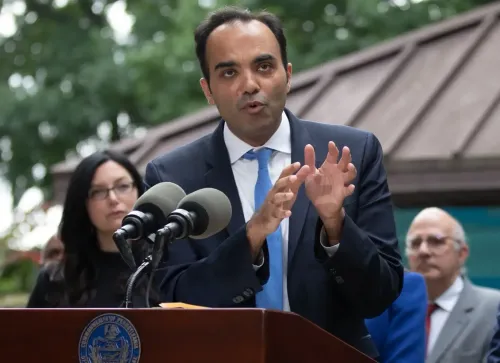
Trump admin defends CFPB overhaul, Democrats warn of consumer risk
Synopsis
The Trump administration's CFPB overhaul is no procedural tweak — it's a structural reversal. With over 40 enforcement actions dropped and the bureau's mandate narrowed to explicit statutory authority, Acting Director Vought is betting that less regulation means more credit. Democrats say it means more corporate impunity. The outcome will define consumer financial protection in the US for years.
Key Takeaways
Russell Vought , Acting Director of the CFPB , defended the bureau's overhaul before the Senate Banking Committee on 17 July .
The administration has dropped more than 40 enforcement actions against corporations since taking over the bureau, according to Senator Elizabeth Warren .
Vought argued the CFPB had been 'weaponized out of control' under previous administrations and pledged to limit supervision to areas explicitly authorised by Congress.
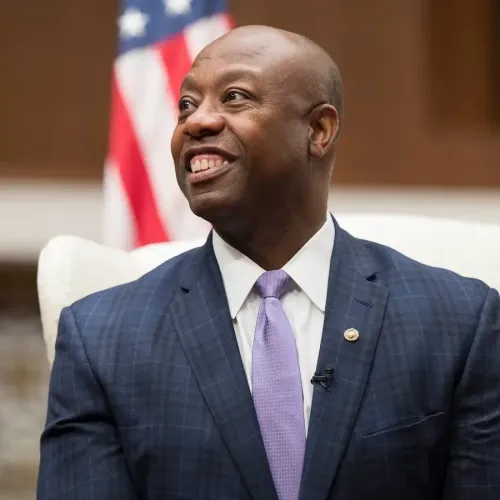
Committee Chairman Tim Scott backed the rollback, saying heavy regulation had reduced credit access for lower-income Americans.
The CFPB was established under the Dodd-Frank Act of 2010 and has secured billions in consumer relief since 2011 .
Democrats warned the changes would leave consumers with fewer protections across banking, student loans, medical debt, and military lending.
The Trump administration on Thursday, 17 July mounted a robust defence of its push to scale back federal oversight of the US financial sector, telling a combative Senate Banking Committee hearing that lighter regulation would broaden credit access and reduce costs for ordinary Americans. Democrats countered that the rollback amounted to abandoning consumers to corporate misconduct.
Vought's Case for a Leaner CFPB
Russell Vought, Acting Director of the Consumer Financial Protection Bureau (CFPB), appeared before the committee to present the bureau's semi-annual report to Congress. He argued that the agency had been fundamentally reoriented — away from what he characterised as activist overreach and toward strict statutory enforcement.
'Our team took a look under the hood and found an agency that was weaponized out of control and had gone far beyond its statutory mandate under previous administrations,' Vought told lawmakers. He contended that excessive regulation had saddled consumers with 'higher prices, reduced product offerings, increased borrowing expenses and misuse of their taxpayer dollars.'
Vought said the bureau had ended 'regulation by enforcement' and would now limit supervision to areas explicitly authorised by Congress. 'We're giving the American people clear understanding of where we will supervise and enforce and it is not going to be in areas that you all have not given a statutory authority,' he said. He also reiterated his position that the CFPB 'remains structurally defective' and should be brought under the Congressional appropriations process to improve accountability.
Republican Support: Credit Access Over Compliance
Senate Banking Committee Chairman Tim Scott backed the administration's stance, arguing that heavy-handed regulation had squeezed credit availability, particularly for lower-income Americans. 'When Washington writes rules that push responsible products out of the market, people do not stop needing those products. They are just left with limited choices, higher costs, and worse alternatives,' Scott said, maintaining that clear and predictable rules would promote competition while still protecting consumers.
Democrats Push Back Hard
Ranking Member Elizabeth Warren rejected that framing outright, accusing the administration of systematically dismantling consumer protections. 'Since you took over the CFPB the bureau has dropped more than 40 enforcement actions against giant corporations that have cheated American families,' Warren told Vought, alleging that consumers had been denied billions of dollars in refunds after the bureau withdrew or modified several cases.
Throughout the hearing, Democratic senators pressed Vought on decisions spanning banks, credit unions, student loan servicers, medical debt, military lending, and consumer complaint systems. They argued that pulling back enforcement would leave ordinary Americans with far fewer avenues for redress.
Background: What the CFPB Was Built to Do
Created under the Dodd-Frank Act of 2010 in the wake of the global financial crisis, the CFPB has served as the federal government's primary consumer financial watchdog since it opened in 2011. Over that period, the bureau secured billions of dollars in consumer relief through enforcement actions against banks, mortgage lenders, credit reporting agencies, and other financial firms. The current administration's approach represents a sharp departure from that enforcement-heavy posture.
What Comes Next
The hearing signals that the battle over the CFPB's scope and authority is far from settled. With Democrats vowing to continue scrutiny and industry groups broadly welcoming the regulatory pullback, the bureau's direction under the Trump administration is likely to remain a flashpoint heading into the next budget cycle and any forthcoming Congressional action on financial oversight.
Point of View
But in practice it hands financial firms a roadmap for conduct that is harmful but technically unchallengeable. The real test will come not in Senate hearings but in the next consumer complaint data cycle.
NationPress
15 Oct 2026
Frequently Asked Questions
What changes has the Trump administration made to the CFPB?
The Trump administration has reoriented the CFPB away from broad enforcement toward a narrower reading of its statutory authority. Acting Director Russell Vought says the bureau has ended 'regulation by enforcement' and dropped more than 40 enforcement actions, according to Senator Elizabeth Warren.
Who is Russell Vought and why is he at the CFPB?
Russell Vought is the Acting Director of the Consumer Financial Protection Bureau, appointed under the Trump administration. He appeared before the Senate Banking Committee on 17 July to present the bureau's semi-annual report and defend the administration's regulatory approach.
What is the CFPB and when was it created?
The Consumer Financial Protection Bureau is the US federal government's primary consumer financial watchdog, created under the Dodd-Frank Act of 2010 following the global financial crisis. Since opening in 2011, it has secured billions of dollars in consumer relief through enforcement actions against banks, mortgage lenders, and credit reporting agencies.
Why are Democrats opposed to the CFPB rollback?
Democrats, led by Ranking Member Elizabeth Warren, argue the rollback has allowed corporations that allegedly cheated American families to escape accountability. They contend that dropping over 40 enforcement actions has denied consumers billions of dollars in potential refunds and left them with fewer avenues for redress.
What did Senator Tim Scott say about the regulatory changes?
Senate Banking Committee Chairman Tim Scott backed the administration's approach, arguing that heavy regulation had reduced credit access — particularly for lower-income Americans — and that clear, predictable rules would promote competition while still protecting consumers.