Will Trump Support US-Iran Negotiations in Geneva Amidst Warnings of Consequences?
Synopsis
In a pivotal moment for US-Iran relations, President Trump indicates his indirect involvement in upcoming Geneva talks, urging Iran to negotiate reasonably while highlighting the potential fallout of failed diplomacy. With a backdrop of regional tensions and nuclear concerns, the outcome could redefine international relations.
Key Takeaways
Trump's indirect involvement in US-Iran talks aims for a diplomatic breakthrough.
Consequences of failure in negotiations could be severe.
Trump emphasizes economic recovery and low crime rates during his presidency.
Stricter border policies are credited with reducing crime.
Discussions on Cuba highlight humanitarian concerns.
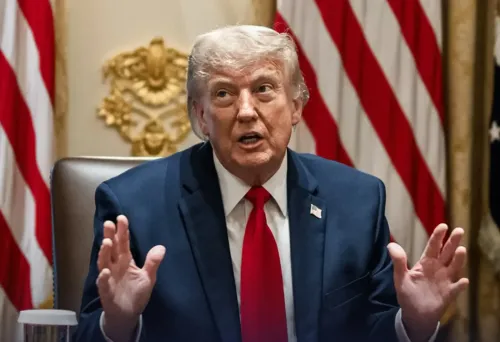
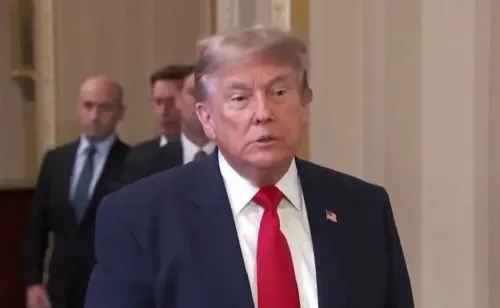
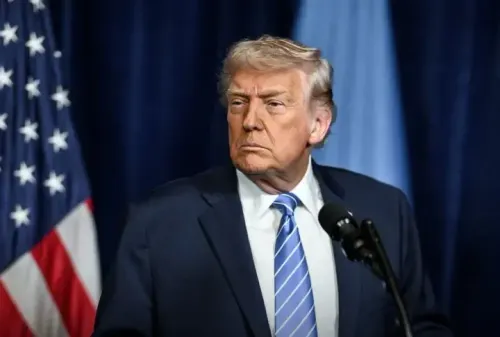
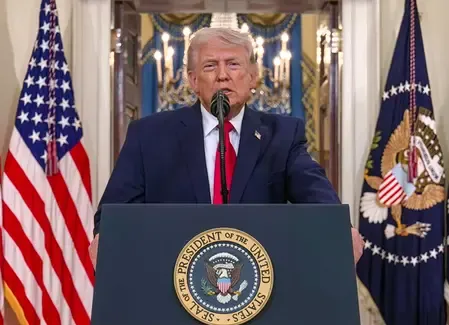
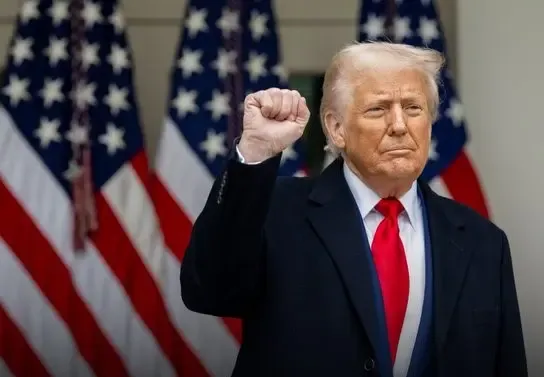
Washington, Feb 17 (NationPress) President Donald Trump announced his intention to be "indirectly involved" in the upcoming discussions between US and Iranian officials set to take place in Geneva. He expressed optimism for a successful outcome while cautioning of potential repercussions should diplomatic efforts fail.
"Iran is usually a tough negotiator," Trump remarked to the press aboard Air Force One returning from Florida. "I hope they will show more reason. They are interested in making a deal."
He further stated, "I don't believe they want the fallout of failing to reach an agreement. They desire a deal."
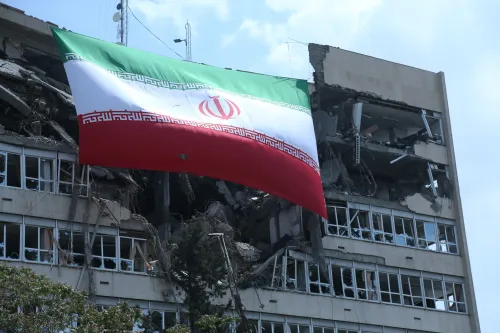
These comments emerge as Washington and Tehran prepare for another round of negotiations focusing on Iran's nuclear ambitions and regional conflicts.
Trump referenced recent military actions by the US, stating, "They could have acquired a nuclear weapon in just a month. Had that occurred, it would have been an entirely different situation."
On domestic affairs, Trump touted what he characterized as impressive economic performance. "Inflation rates are low, prices have decreased significantly. In many areas, gasoline prices are under $2 per gallon, which few anticipated, but I did because we embraced the mantra of 'drill, baby, drill.'"
He noted, "The prices of gasoline and oil influence the cost of other goods that surged due to Biden. We inherited a challenging situation, and our administration has revitalized the country remarkably."
Trump claimed significant reductions in crime rates. "We have achieved the lowest murder rates since 1900, which is before my father was born. Consider that; the best crime statistics in 125 years, particularly regarding murder and overall crime."
He attributed these improvements to stricter border policies. "We have deported tens of thousands of individuals, returning many criminals who were previously allowed entry."
Regarding funding for the Department of Homeland Security, Trump mentioned his plans to meet with Democrats this week, while criticizing them for a government shutdown. "This is a Democrat shutdown, unrelated to Republicans. It's a Democrat shutdown," he asserted.
He also condemned Democratic positions on voting regulations. "They resist voter ID because they want to manipulate election outcomes," he stated. "They refuse to provide proof of citizenship or voter identification."
In response to inquiries about the Jeffrey Epstein case, Trump declared, "I have nothing to conceal. I have been cleared of any wrongdoing related to Epstein."
Speaking about Cuba, Trump remarked, "Cuba is currently a failed state. Conversations are ongoing, and Marco Rubio is also engaging with Cuba. They must reach an agreement due to the humanitarian crisis there."
When asked about potential actions if negotiations fail, he replied, "I prefer not to discuss that. Why would I reveal my intentions? If I were to act, it wouldn't be an easy operation."
Trump referenced a recent dialogue with Chinese President Xi Jinping regarding Taiwan. "We had a productive conversation, and we'll determine our course of action soon regarding military support for Taiwan," he commented.
He described a proposed international initiative as potentially groundbreaking. "We are collaborating with the United Nations, and I believe it could become a pivotal international organization," he noted.
Trump praised First Lady Melania Trump, stating, "She is doing significant work. Ultimately, she will be recognized as one of the truly great first ladies."
The Geneva discussions occur amid heightened tensions between the US and Iran concerning Tehran's nuclear pursuits and regional interventions. Previous diplomatic efforts have led to temporary agreements but have frequently collapsed due to sanctions and military escalations.
The United States continues to navigate various global crises, including those in Ukraine and the Middle East. Issues surrounding energy markets, security alliances, and nuclear non-proliferation remain central to Washington's foreign policy.
Point of View
It is essential to recognize the significance of Trump’s remarks regarding the US-Iran negotiations. The stakes are high, and the potential for both diplomatic success and failure looms large, impacting not just the regions involved but global stability as well.
NationPress
10 Oct 2026
Frequently Asked Questions
What did Trump say about US-Iran talks?
Trump expressed his intention to be indirectly involved in the US-Iran discussions in Geneva, emphasizing the need for Iran to negotiate reasonably.
What are the implications if the talks fail?
Trump warned of serious consequences should the diplomatic efforts collapse, highlighting the risks associated with Iran's nuclear ambitions.
How does Trump view the current US economy?
Trump touted low inflation rates and decreased prices, claiming a strong economic performance as a result of his administration's policies.
What stance did Trump take on crime rates?
He claimed that the country has achieved the lowest murder rates since 1900, attributing this success to stricter border enforcement.
What is Trump's position on voting laws?
Trump criticized Democrats for opposing voter ID laws, asserting that their resistance is aimed at manipulating election outcomes.