Trump's Working Families Tax Cuts Promise More Take-Home Pay

Synopsis
The White House declared on August 5, 2026 that President Trump's Working Families Tax Cuts are putting more money in Americans' pockets, framing the policy as a direct payout to working families and building on the 2017 Tax Cuts and Jobs Act whose individual provisions were set to expire after 2025.
Key Takeaways
The White House announced on August 5, 2026 that President Trump's Working Families Tax Cuts are returning more money to American households.
The policy roots trace to the Tax Cuts and Jobs Act signed in December 2017 , which lowered individual income tax rates and expanded the standard deduction.
Key individual provisions of the 2017 law were originally scheduled to expire after 2025 , making their extension or replacement the central legislative battle.
Republican tax policy has followed a consistent pattern of broad-based rate reductions since the Economic Recovery Tax Act of 1981 .
The outcome of congressional negotiations will directly affect take-home pay, child tax credits, and standard deductions for millions of American families .
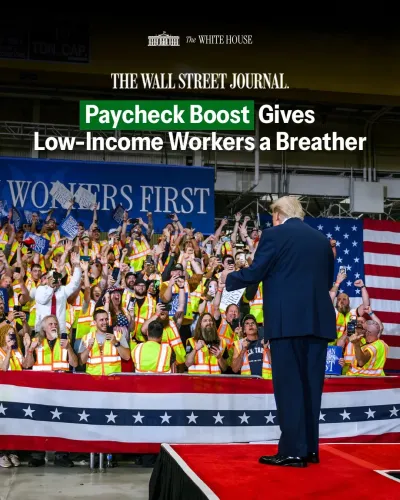
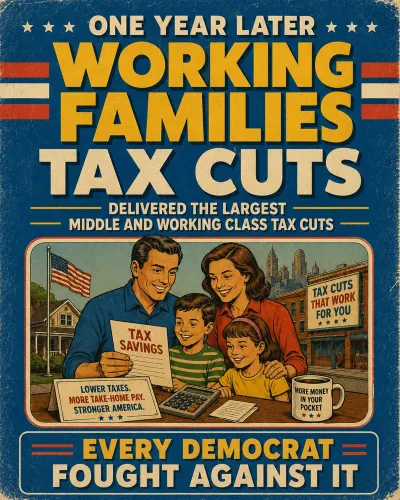
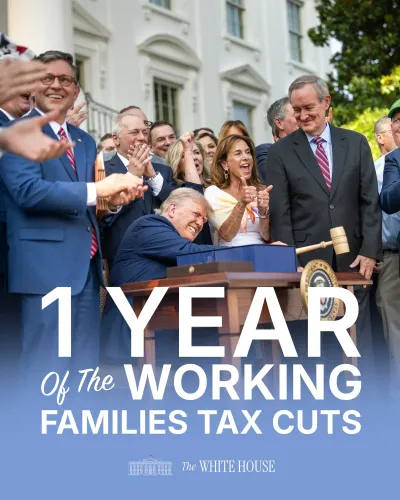
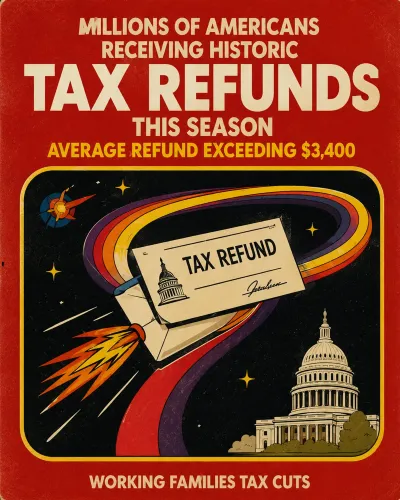
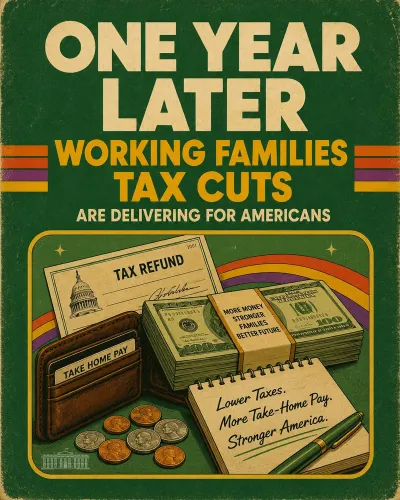
A casino metaphor and a confident declaration — the White House is making its pitch to American working families loud and clear. On Wednesday, August 5, 2026, the official White House account announced that 'the bets are in' and that President Trump's Working Families Tax Cuts are putting 'more money back in YOUR pockets.'
From the 2017 Blueprint to a 2026 Push
The policy thread runs back nearly a decade. President Donald Trump signed the landmark Tax Cuts and Jobs Act (TCJA) into law in December 2017, a sweeping overhaul that lowered individual income tax rates, nearly doubled the standard deduction, and restructured brackets to benefit middle-income households. The catch: most of its individual provisions were written with an expiry date, set to lapse after 2025. That sunset clause has been the central fault line in Washington's fiscal debate ever since. With those provisions now past their original deadline, the White House framing of 'Working Families Tax Cuts' signals a push to either extend, expand, or cement those cuts as permanent policy — delivering on the core Republican promise that lower taxes mean fatter paycheques.A Pattern Decades in the Making
This is not a new playbook. Republican administrations have reached for broad-based tax rate reductions as a primary economic lever going back to the Economic Recovery Tax Act of 1981 under Reagan, through the Bush-era cuts of 2001 and 2003, and into the Trump era. The argument has remained consistent: reduce the government's share of the payslip and let households and small businesses drive growth from the ground up. The White House's confident, populist framing — 'the American people are cashing out' — is designed to translate a complex legislative instrument into a kitchen-table reality: you keep more of what you earn.What Hangs in the Balance for Taxpayers
For working families and individual taxpayers, the stakes are concrete. The TCJA's individual provisions touched nearly every bracket, and their expiry would have meant automatic rate increases for millions of filers. Any extension or new legislation branded as 'Working Families Tax Cuts' directly determines take-home pay, child tax credit eligibility, and the size of the standard deduction for households across the income spectrum. Congressional negotiations over the shape and scope of these cuts remain the arena to watch — the outcome will define the fiscal reality for American families well into the next decade. The bets, as the White House says, are in. The payout is what Congress writes next.Point of View
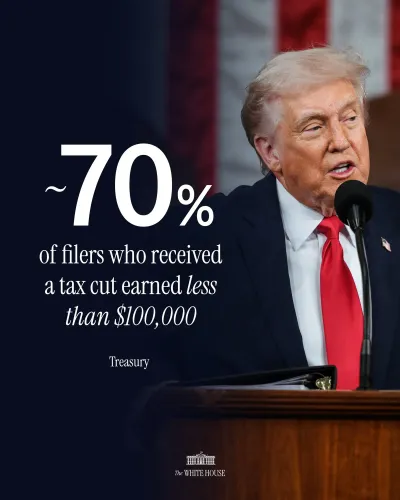
' the administration is drawing a sharp contrast with critics who argue the 2017 TCJA disproportionately benefited corporations and higher earners. The move fits a decades-long Republican pattern of using tax reduction as both economic policy and electoral identity. Whether the cuts deliver measurable relief broadly — or primarily to upper-income brackets — will be the defining fact-check of this legislative cycle.
NationPress
6 Aug 2026
Frequently Asked Questions
What are Trump's Working Families Tax Cuts?
The 'Working Families Tax Cuts' is the White House's branding for tax relief measures under President Trump aimed at increasing take-home pay for American households, building on the framework of the 2017 Tax Cuts and Jobs Act.
What is the Tax Cuts and Jobs Act and when did it expire?
The Tax Cuts and Jobs Act was signed into law in December 2017 , lowering individual income tax rates and raising the standard deduction. Its key individual provisions were set to expire after 2025 , triggering debate over extension or replacement.
How do Trump's tax cuts affect working families in America?
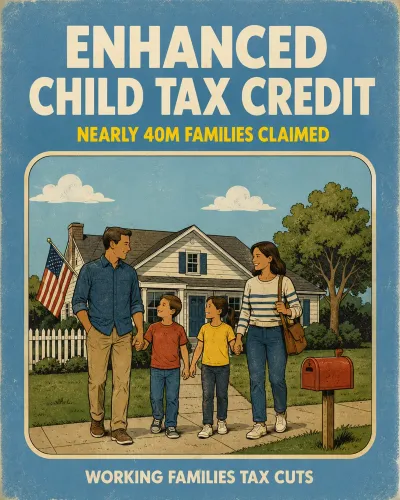
For working families, the cuts affect the size of their standard deduction, income tax bracket rates, and child tax credit eligibility — all of which directly determine how much of each payslip they keep.
What happens if the 2017 tax cuts are not extended?
If the individual provisions of the Tax Cuts and Jobs Act are allowed to lapse, millions of American filers would face automatic tax rate increases, reducing take-home pay across most income brackets.
Is the US Congress negotiating a new tax cut bill in 2026?
Congressional negotiations over extending or modifying the expiring individual provisions of the 2017 tax law are ongoing, and the outcome will shape the fiscal landscape for American families for years to come.