US Lawmakers Introduce Legislation to Safeguard Taiwan's Undersea Cables
Synopsis
A bipartisan group of US lawmakers is taking action to introduce legislation aimed at protecting Taiwan's undersea cables from increasing threats by China. This initiative is crucial for maintaining global communication and economic stability.
Key Takeaways
US lawmakers are advocating for the protection of Taiwan's undersea cables.
The initiative is a response to increasing threats from China.
Enhanced monitoring and rapid response systems are central to the legislation.
International collaboration is emphasized for regional resilience.
Sanctions will be imposed on individuals responsible for sabotage.
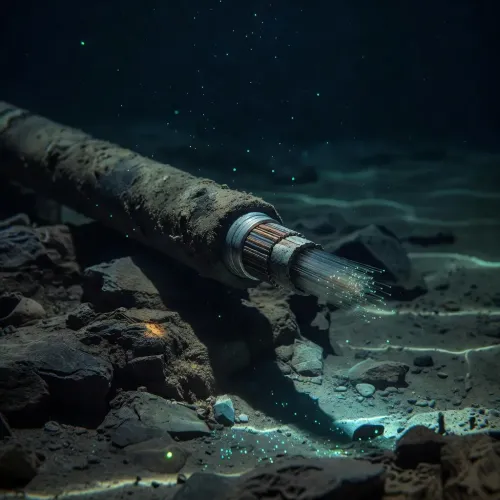
Washington, April 3 (NationPress) - A bipartisan coalition of US legislators has revealed plans to introduce a new law aimed at safeguarding Taiwan's critical undersea cables and infrastructure. This initiative arises in response to escalating threats posed by China, highlighting potential dangers to global communication networks and economic stability.
The proposed Critical Undersea Infrastructure Resilience Initiative Act seeks to enhance monitoring, rapid response capabilities, and international collaboration to protect essential networks that connect Taiwan with the rest of the world.
This bill was brought forth in the House by Representatives Mike Lawler, Dave Min, and Greg Stanton, with a corresponding version being presented in the Senate by Senators John Curtis and Jacky Rosen. Notably, the Senate draft has already passed an important markup by the Foreign Relations Committee.
According to lawmakers, the legislation emphasizes the deployment of sophisticated monitoring systems capable of detecting disruptions or acts of sabotage in real-time. It also aims to bolster early warning mechanisms through global intelligence-sharing networks. Additionally, it lays out protocols for rapid responses to repair compromised infrastructure and minimize downtime.
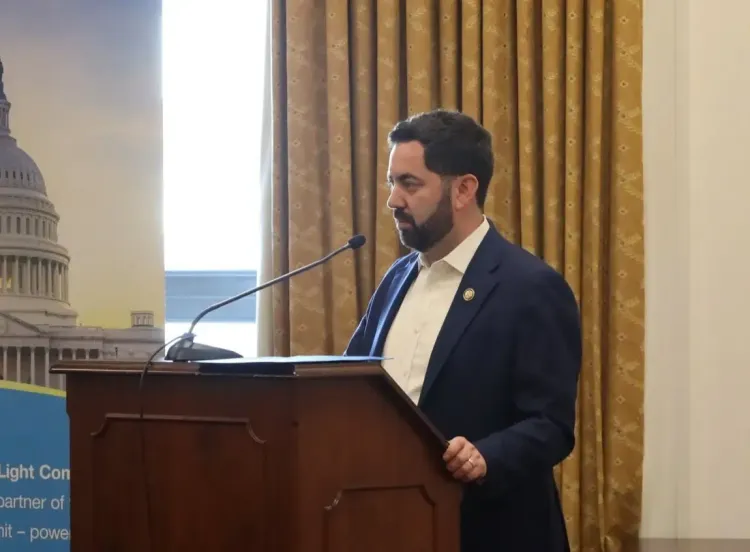
“Undersea infrastructure is fundamental to global communications and economic stability. As threats from the People’s Republic of China (PRC) increase, it is essential for the United States to take the lead in ensuring that these systems remain protected, resilient, and secure,” stated Lawler. He noted that this bill would aid in “deterring sabotage, enabling swift responses to disruptions, and demonstrating unwavering support for Taiwan and our allies in the Indo-Pacific region.”
The legislation, among other provisions, calls for enhanced maritime awareness around Taiwan, which includes joint patrols and surveillance efforts with the US Coast Guard in the Taiwan Strait and surrounding areas. It aims to strengthen coordination with allies to improve regional resilience.
A significant element of the bill is the establishment of a Cross-Strait Contingency Planning Group. This group would conduct scenario-based drills, identify vulnerabilities within supply chains and infrastructure, and formulate coordinated contingency plans with partners.
Lawmakers characterized this legislation as a countermeasure to what they refer to as “gray zone” tactics employed by China.
“China’s ongoing sabotage of Taiwan’s undersea cables is not incidental; it forms part of a calculated strategy to isolate a democratic partner,” warned Min. He emphasized that Taiwan’s communication systems are crucial not only for its security but also for “global commerce and regional stability.”
Stanton added that the infrastructure is essential for US economic interests as well. “The PRC has been strategically targeting this infrastructure as part of a gray zone campaign to isolate Taiwan without resorting to military action,” he remarked, asserting that the bill would impose “real consequences on those found responsible for acts of sabotage.”
The proposed legislation also includes sanctions against individuals deemed responsible for damaging undersea systems that impact Taiwan and US allies. It advocates for intensified diplomatic pressure on China to comply with international standards, while also promoting public awareness regarding such threats.
“We cannot remain passive as China escalates its efforts to isolate Taiwan,” Curtis declared, emphasizing that the bill would enhance monitoring and resilience while signaling US support for Taiwan and its allies.
Rosen highlighted that the targeting of undersea cables poses threats not only to Taiwan’s national security but also to global connectivity and communication, stressing the urgency for closer cooperation to protect this critical infrastructure.
Point of View
We recognize the critical nature of this legislation aimed at securing Taiwan's undersea cables. It reflects a proactive approach by US lawmakers in addressing the growing geopolitical tensions with China. By enhancing monitoring and response capabilities, this initiative is essential for maintaining regional and global stability.
NationPress
15 Oct 2026
Frequently Asked Questions
What is the purpose of the Critical Undersea Infrastructure Resilience Initiative Act?
The Act aims to protect Taiwan's undersea cables and critical infrastructure from threats, particularly from China, and to ensure global communication and economic stability.
Who introduced the bill?
The bill was introduced by Representatives Mike Lawler, Dave Min, and Greg Stanton in the House, with Senators John Curtis and Jacky Rosen presenting a companion version in the Senate.
What are the key provisions of the legislation?
Key provisions include enhanced monitoring systems, rapid response protocols for disruptions, and the establishment of a Cross-Strait Contingency Planning Group.
Why is this legislation significant?
It addresses the increasing threats from the PRC and aims to safeguard Taiwan's communication infrastructure, which is vital for both regional stability and global commerce.
What actions will be taken against individuals responsible for sabotage?
The legislation mandates sanctions against those found responsible for damaging undersea systems affecting Taiwan and US allies.