White House VP Contrasts Trump Iran MOU With Obama JCPOA
Synopsis
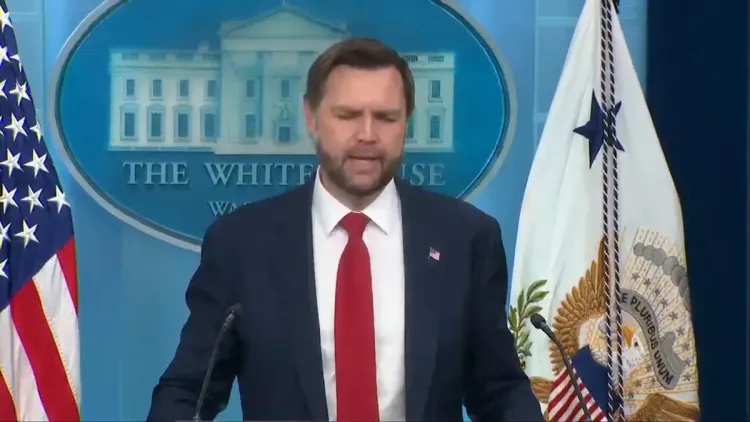
The White House on June 18, 2026, promoted a video of the Vice President contrasting the Trump administration's Iran nuclear MOU with the Obama-era JCPOA, which the administration labels 'disastrous.' The post intensifies the long-running US debate over multilateral versus bilateral approaches to curbing Iran's nuclear programme.
Key Takeaways
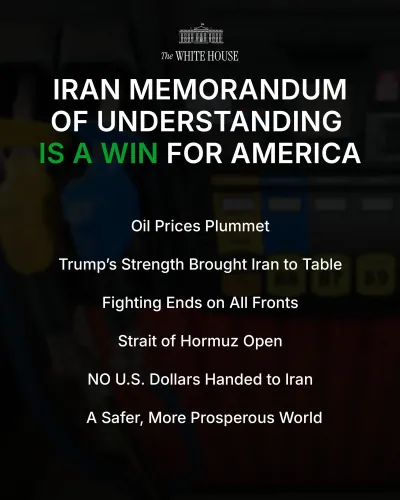
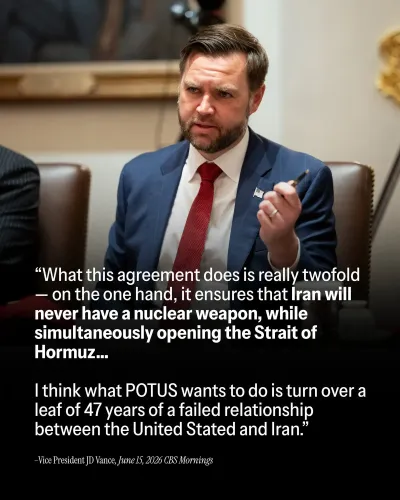
The White House posted a video on June 18, 2026 , featuring the Vice President comparing the Trump administration's Iran MOU with the JCPOA .
The JCPOA was signed in July 2015 between Iran and the P5+1 nations under President Barack Obama .
President Trump withdrew the US from the JCPOA in May 2018 and reimposed broad economic sanctions on Iran .
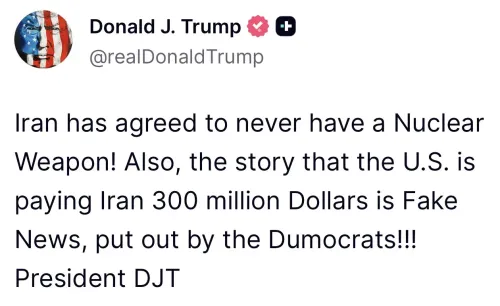
The full text of the referenced Trump-era MOU with Iran has not been publicly released.
Key stakeholders include European JCPOA signatories , the Israeli government , the IAEA , and India , which has significant trade ties with Iran.
Next steps include release of the MOU text, IAEA compliance reporting, and potential Congressional scrutiny of the agreement's legal basis.
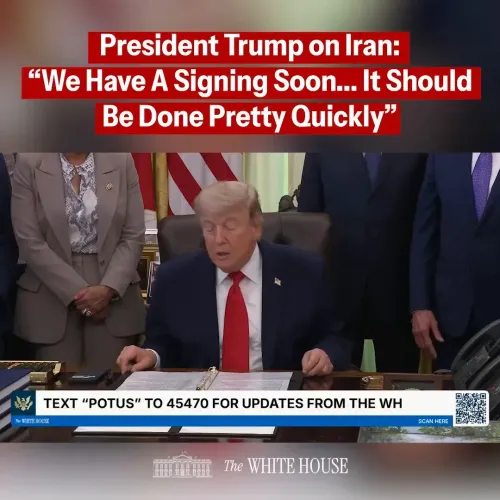
The White House on Thursday, June 18, 2026, shared a video in which the Vice President draws a direct comparison between a Memorandum of Understanding negotiated by the Trump administration and the Joint Comprehensive Plan of Action (JCPOA) concluded under President Barack Obama in 2015, calling the latter 'disastrous.'
Context
The White House post, captioned 'MUST WATCH,' features the Vice President explaining what the administration frames as fundamental differences between the two Iran nuclear frameworks. The JCPOA was signed in July 2015 between Iran and the P5+1 — the United States, United Kingdom, France, Russia, China, Germany, and the European Union — to limit Iran's nuclear activities in exchange for sanctions relief. The current administration characterises that agreement as deeply flawed.
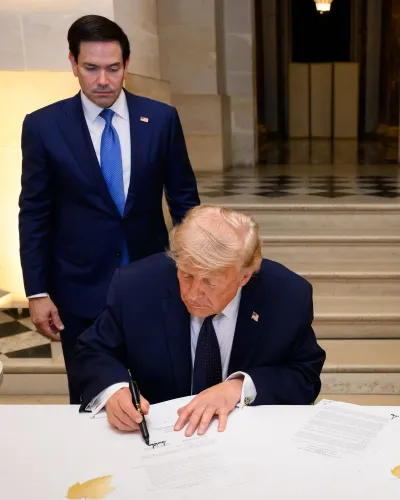
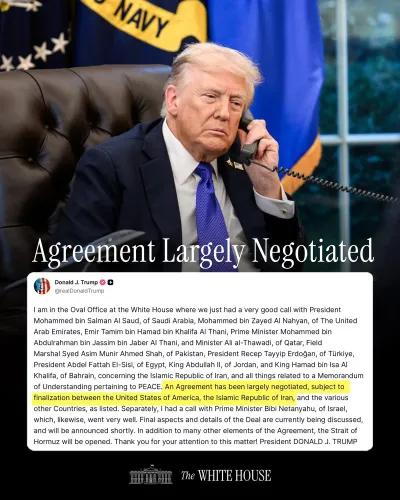
The post references a newer Memorandum of Understanding that the Trump administration describes as a negotiated alternative to the multilateral JCPOA framework. No full text of this MOU has been publicly released as of the time of this report.
Policy Backdrop
During his first term, President Donald Trump withdrew the United States from the JCPOA in May 2018, arguing the deal was insufficiently restrictive on Iran's nuclear and ballistic missile programmes. The US simultaneously reimposed sweeping economic sanctions on Tehran.
The JCPOA was a central pillar of the Obama administration's foreign policy, designed to extend Iran's nuclear 'breakout time' — the period needed to produce enough fissile material for a weapon — in exchange for phased sanctions relief. Critics, including successive Israeli governments and several Gulf states, argued the deal's sunset clauses eventually allowed Iran to resume enrichment activities.
US policy toward Iran's nuclear programme has since alternated between multilateral engagement and unilateral maximum-pressure sanctions, with each transition triggering significant diplomatic and market responses among allies and adversaries alike.
Stakeholders and Impact
Iranian officials, European signatories of the original JCPOA, and the Israeli government are among the most directly affected parties in any shift in US-Iran nuclear diplomacy. European nations — particularly France, Germany, and the United Kingdom — have historically sought to preserve multilateral frameworks as a mechanism for predictability and arms-control verification.
The International Atomic Energy Agency (IAEA) remains the primary international body responsible for monitoring Iranian nuclear compliance, and any new bilateral arrangement would require clarity on inspection and verification protocols. Congressional oversight of US sanctions authorities also adds a domestic legislative dimension to any executive-negotiated deal.
For India, which maintains significant energy and trade ties with Iran, shifts in US sanctions policy carry direct implications for oil imports, the Chabahar port project, and broader connectivity ambitions in Central Asia.
What's Next
Attention will now focus on the formal release of the MOU's text, subsequent IAEA reporting on Iranian compliance metrics, and the response of European and regional partners. Congressional leaders from both parties are expected to scrutinise the legal basis and scope of any executive agreement that bypasses Senate ratification.
The administration's framing — positioning the MOU as a bilateral, negotiated improvement over a 'disastrous' multilateral accord — signals that the White House intends to make Iran nuclear policy a sustained point of contrast with the previous Democratic administration heading into the next phase of diplomacy.
Point of View
The executive branch is signalling that maximum-pressure and bilateral deal-making will remain the defining posture on Iran for this term. The move also pre-empts any allied or Congressional pressure to return to the multilateral framework, effectively closing that diplomatic door in the public narrative. For India and other nations navigating US-Iran sanctions exposure, the message is clear: plan around American bilateral primacy, not a revived P5+1 architecture.
NationPress
23 Sept 2026
Frequently Asked Questions
What is the difference between Trump's Iran MOU and the JCPOA?
The JCPOA was a multilateral agreement signed in 2015 between Iran and six world powers — the US, UK, France, Russia, China, and Germany — to restrict Iran's nuclear activities in return for sanctions relief. The Trump administration's MOU, referenced in the June 2026 White House post, is described as a bilateral, negotiated arrangement, though its full text has not been publicly released.
Why did Trump withdraw from the JCPOA?
President Trump withdrew the United States from the JCPOA in May 2018, arguing the deal placed insufficient long-term restrictions on Iran's nuclear and ballistic missile programmes and that its sunset clauses allowed enrichment to resume after a fixed period.
What does the JCPOA stand for?
JCPOA stands for Joint Comprehensive Plan of Action. It was concluded in July 2015 between Iran and the P5+1 group — the five permanent UN Security Council members plus Germany and the European Union.
How does the Iran nuclear deal affect India?
India has significant energy and trade ties with Iran, including involvement in the Chabahar port project. US sanctions on Iran directly affect India's ability to import Iranian oil and pursue connectivity projects in Central Asia, making shifts in US-Iran nuclear policy a matter of direct economic concern for New Delhi.
What happens next with the Trump Iran MOU?
Key developments to watch include the formal public release of the MOU text, IAEA reporting on Iranian nuclear compliance, and responses from European signatories and the US Congress, which retains oversight authority over sanctions legislation.