White House Touts US Lead in Quantum Tech Under Trump
Synopsis
The White House declared on June 23, 2026, that the United States leads global quantum innovation under President Trump, invoking the National Quantum Initiative framework. The post signals continued federal emphasis on quantum computing, sensing, and communications as strategic national priorities.
Key Takeaways
The White House posted on June 23, 2026 , asserting US leadership in quantum technologies under President Trump .
The National Quantum Initiative Act , enacted in December 2018 , established the foundational 10-year federal quantum programme.
Key stakeholders include quantum researchers, technology companies, and defence agencies relying on federal investment and coordination.
The US quantum push competes directly with major state-backed programmes in China and the European Union .
Congressional reauthorisation of the National Quantum Initiative and new export-control measures are the next major policy milestones to watch.
India's National Quantum Mission , with an outlay of roughly Rs 6,003 crore , makes US quantum policy directly relevant to potential bilateral cooperation.
The White House on Tuesday, June 23, 2026, declared that the United States is at the forefront of quantum innovation, crediting President Donald Trump's leadership for accelerating the country's advances in quantum technologies.
Context
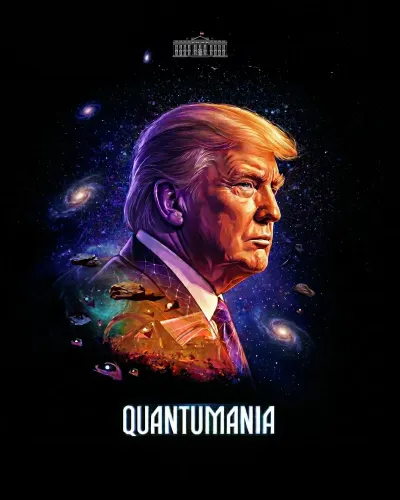
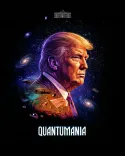
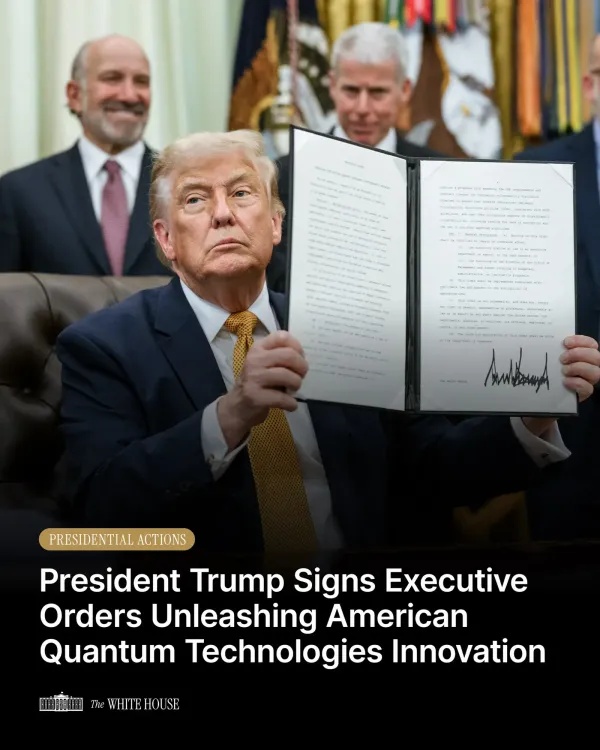
The official White House account posted: 'Q is for quantum. Under President Trump's leadership, quantum is making a massive leap, and America is at the forefront of these innovations and groundbreaking technologies.' The message, accompanied by an image, frames quantum science as a signature achievement of the current administration.
Quantum information science encompasses quantum computing, quantum sensing, and quantum communications — domains that governments worldwide regard as critical to future economic competitiveness and national security.
Policy Backdrop
The United States established a coordinated federal quantum strategy through the National Quantum Initiative Act, enacted in December 2018 during Trump's first term. The legislation authorised a 10-year federal programme to accelerate quantum research, workforce development, and multi-agency coordination, and established the National Quantum Coordination Office.
The National Quantum Initiative has since drawn in national laboratories, universities, and private-sector technology companies through structured public-private partnerships. Successive administrations have sustained and built upon this framework, treating quantum as a strategic domain rather than a niche research area.
The United States' push runs parallel to major state-backed quantum programmes in China and the European Union, both of which have committed substantial public funding toward achieving 'quantum advantage' — the point at which quantum systems outperform classical computers on practically relevant tasks.
Stakeholders and Impact
The primary beneficiaries of sustained federal quantum investment include quantum researchers at national laboratories and universities, technology companies developing quantum hardware and software, and defence agencies exploring quantum-enabled sensing and secure communications.
Export-control measures linked to quantum hardware have also emerged as a dimension of US technology policy, with Washington seeking to limit adversaries' access to cutting-edge quantum components. For India, which has launched its own National Quantum Mission with an outlay of approximately Rs 6,003 crore over several years, US leadership in this domain carries direct implications for potential bilateral research collaboration and technology-transfer frameworks.
What's Next
Attention will focus on Congressional action regarding reauthorisation or funding extensions for the National Quantum Initiative beyond its initial 10-year horizon. New export-control frameworks or international standards initiatives involving quantum hardware are also expected to be key policy battlegrounds.
As the administration amplifies its quantum messaging, the broader question is whether rhetorical emphasis will be matched by fresh legislative commitments or expanded agency budgets — signals that quantum researchers and allied governments, including India, will be watching closely.
Point of View
Associating Trump personally with a multi-administration technology investment that predates his current term. By front-loading presidential credit, the administration is signalling that quantum will feature prominently in its technology-competitiveness narrative heading into the next budget cycle. For observers in India and allied nations, the subtext matters: sustained US emphasis on quantum leadership typically precedes tighter export controls and more selective technology-sharing arrangements. The post thus functions simultaneously as domestic political messaging and an implicit signal to strategic competitors.
NationPress
23 Jun 2026
Frequently Asked Questions
What is the US National Quantum Initiative?
The National Quantum Initiative is a 10-year federal programme authorised by the National Quantum Initiative Act of December 2018, designed to accelerate quantum information science research, build a skilled workforce, and coordinate efforts across multiple US government agencies, national laboratories, universities, and private-sector partners.
What did the White House say about quantum technology in 2026?
The White House posted on June 23, 2026, that 'quantum is making a massive leap' under President Trump's leadership and that America is 'at the forefront of these innovations and groundbreaking technologies,' signalling continued federal emphasis on quantum as a strategic priority.
How does US quantum policy affect India?
India launched its own National Quantum Mission with an outlay of approximately Rs 6,003 crore, and US quantum leadership directly shapes the landscape for potential bilateral research collaboration, technology transfers, and export-control frameworks that could either enable or constrain India's access to cutting-edge quantum hardware.
Who are the main competitors to the US in quantum technology?
China and the European Union are the primary state-backed competitors, both having committed substantial public funding to achieve 'quantum advantage' in computing and secure communications, making quantum a central arena of geopolitical and economic rivalry.
What should we watch next in US quantum policy?
Key developments to monitor include Congressional reauthorisation or funding extensions for the National Quantum Initiative beyond its initial 10-year window, new export-control regulations on quantum hardware, and any international standards initiatives that could reshape how allied nations access and develop quantum technologies.