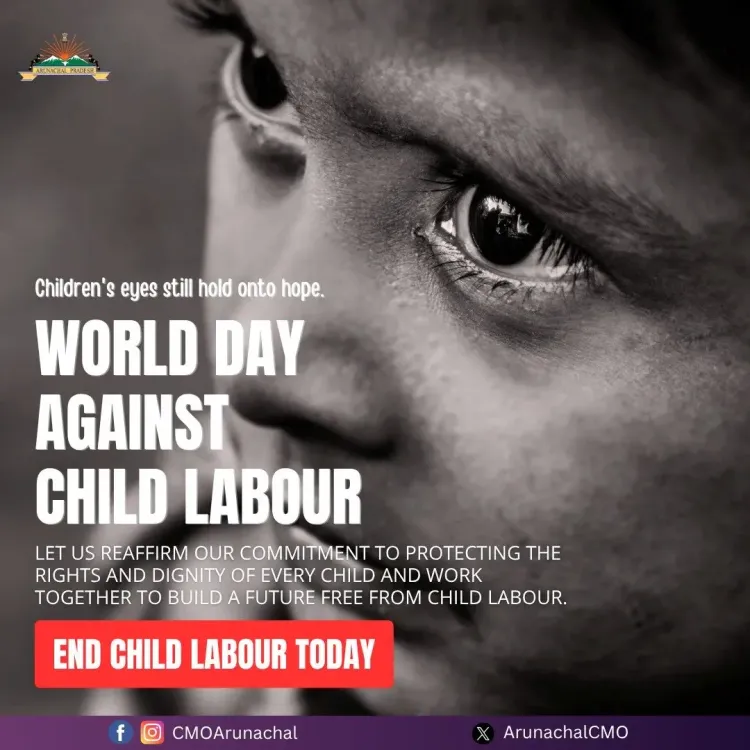
Arunachal CMO Marks World Day Against Child Labour
Synopsis
On World Day Against Child Labour 2026, the Chief Minister's Office of Arunachal Pradesh renewed its commitment to protecting every child's rights and future, aligning with ILO frameworks and India's strengthened child labour laws.
Key Takeaways
World Day Against Child Labour is observed on 12 June every year, established by the ILO in 2002 .
The Arunachal Pradesh CMO called for collective action to ensure every child can 'learn, grow and dream.' India amended the Child Labour (Prohibition and Regulation) Act in 2016 to ban child employment below 14 years in all occupations.
India ratified ILO Conventions 138 and 182 in 2017 , aligning with global minimum-age and worst-forms standards.
The National Child Labour Project (NCLP) , running since 1988 , rehabilitates working children through education and vocational centres.
Northeastern states including Arunachal Pradesh receive additional central support under Samagra Shiksha due to remote terrain and dispersed tribal populations.
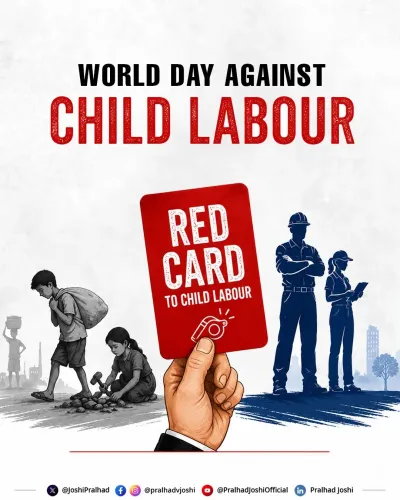
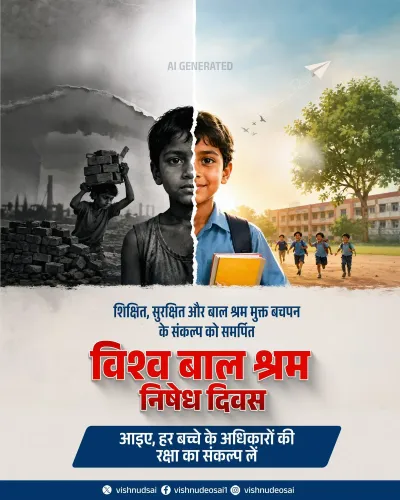
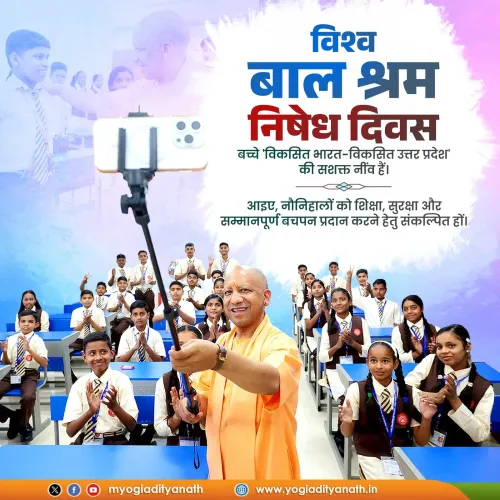
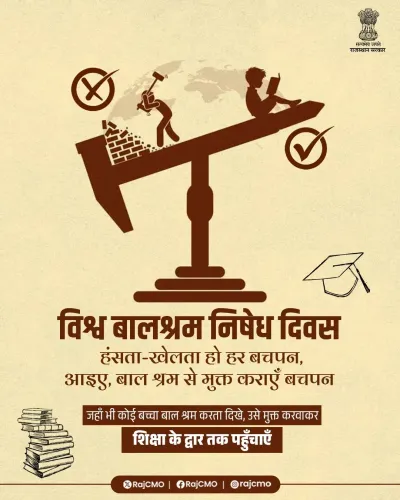
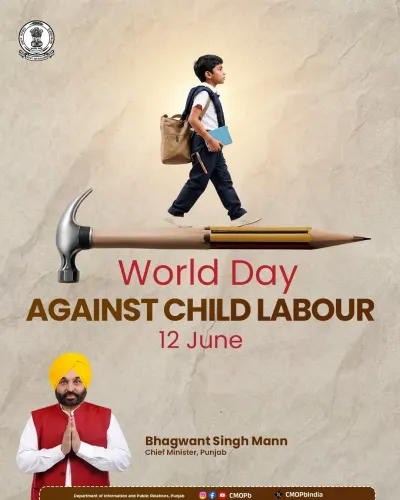
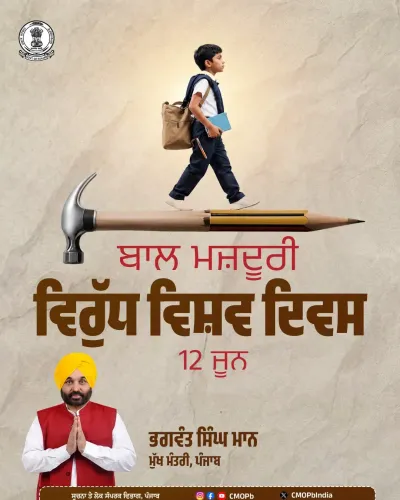
The Chief Minister's Office of Arunachal Pradesh on Friday, 12 June 2026 marked World Day Against Child Labour with a call to renew collective commitment to protecting the rights, dignity and future of every child. The post, shared from the official CMO account, urged collective action to build a world where children are free to learn, grow and dream.
Context
World Day Against Child Labour is observed every year on 12 June, a date established by the International Labour Organization (ILO) in 2002 to focus global attention on the scale of child labour and galvanise efforts to end it. The CMO's post aligns Arunachal Pradesh with this global observance, echoing the theme of child rights and access to education. The message called on all stakeholders to ensure that 'every child is free to learn, grow and dream.'Policy Backdrop
India has progressively strengthened its legal architecture against child labour. The Child Labour (Prohibition and Regulation) Act was amended in 2016 to prohibit the employment of children below 14 years in all occupations and processes. In 2017, India ratified ILO Convention 138 on minimum age and ILO Convention 182 on the worst forms of child labour, formally aligning domestic law with international standards. The National Child Labour Project (NCLP), operational since 1988, continues to withdraw children from work and mainstream them into education and vocational rehabilitation centres. These measures sit within the broader commitment to UN Sustainable Development Goal (SDG) target 8.7, which calls for ending all forms of child labour by 2025.Stakeholders and Impact
Arunachal Pradesh, a northeastern state with dispersed tribal communities and remote terrain, faces distinct challenges in enforcing child labour laws and ensuring universal school enrolment. Northeastern states receive additional central support under education missions, including the Samagra Shiksha scheme, precisely because of the logistical difficulties posed by geography and low population density. The primary stakeholders are school-age children in rural and tribal families who remain most vulnerable to being drawn into labour. Reaffirmations on days like this serve to signal state-level alignment with both national legislation and ILO frameworks to these communities and to enforcement agencies.What's Next
Attention will now turn to whether the state follows this statement with concrete programmatic announcements, particularly updates to district-level action plans tied to the Samagra Shiksha scheme. At the national level, the release of the next Periodic Labour Force Survey module on child labour will provide fresh data against which state-level progress can be measured. Sustained follow-through on rehabilitation and school-access programmes will determine how far the commitment expressed on 12 June translates into measurable change for children across Arunachal Pradesh's most underserved districts.Point of View
Reinforcing the state's formal commitment to child rights. For a state with dispersed tribal populations and enforcement challenges rooted in terrain, such public reaffirmations carry weight as signals to district administrations and civil society. The message fits a broader national pattern where state governments use international observances to demonstrate convergence with SDG target 8.7 and central schemes like the NCLP. The real test, as analysts note, lies in whether ceremonial commitments are matched by measurable improvements in school enrolment and reductions in child labour in Arunachal's most remote districts.
NationPress
26 Oct 2026
Frequently Asked Questions
What is World Day Against Child Labour and when is it observed?
World Day Against Child Labour is an annual global observance on 12 June , established by the ILO in 2002 to highlight the scale of child labour and promote its elimination worldwide.
What did the Arunachal Pradesh CMO say on World Day Against Child Labour 2026?
The Chief Minister's Office of Arunachal Pradesh called for renewing commitment to safeguarding the rights, dignity and future of every child, urging collective action to create a world where children are free to learn, grow and dream.
What are India's laws against child labour?
India prohibits employment of children below 14 years in all occupations under the Child Labour (Prohibition and Regulation) Act, amended in 2016 . India also ratified ILO Conventions 138 and 182 in 2017 , aligning with international standards on minimum age and worst forms of child labour.
What is the National Child Labour Project (NCLP)?
The National Child Labour Project (NCLP) is a central government scheme operational since 1988 that withdraws children from hazardous work and mainstreams them into education and vocational rehabilitation centres.
Why does Arunachal Pradesh face unique child labour challenges?
Arunachal Pradesh has dispersed tribal communities and remote terrain that complicate enforcement of child labour laws and universal school enrolment, which is why northeastern states receive additional central support under the Samagra Shiksha scheme.