Assam dairy push: Himanta Biswa Sarma eyes 10 lakh litres daily milk output
Synopsis
Assam is targeting 10 lakh litres of daily milk production — a goal that, if met, would end the state's dependence on milk imports from other states. With subsidies already flowing to over 25,000 farmers and a package of scientific breeding and veterinary support underway, Chief Minister Himanta Biswa Sarma is betting on dairy as a cornerstone of Assam's rural transformation.
Key Takeaways
Assam CM Himanta Biswa Sarma set a target of 10 lakh litres of daily milk production on 2 July .
The state is providing subsidies to more than 25,000 dairy farmers to boost productivity and modernise operations.
Initiatives include scientific breeding, improved livestock management, enhanced veterinary support, and stronger milk collection infrastructure.
Higher output is expected to reduce Assam's dependence on milk imports from other states.
The dairy push is part of a broader state strategy identifying dairy, fisheries, and animal husbandry as key rural employment drivers.
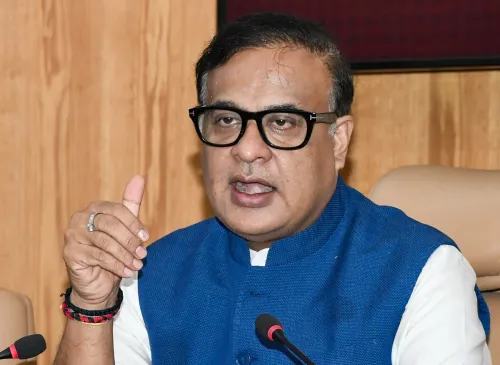
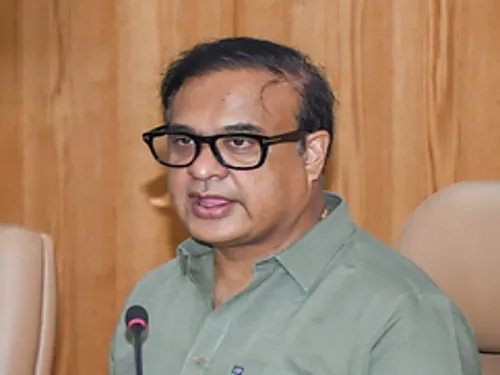
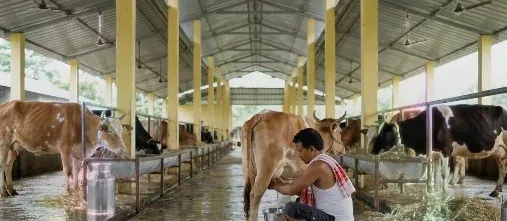
Assam Chief Minister Himanta Biswa Sarma on Thursday, 2 July reaffirmed the state government's resolve to scale up the dairy sector, setting a firm target of 10 lakh litres of milk production per day while pledging to improve the livelihoods of thousands of rural families across the state. Sarma shared the government's vision through a post on X, underscoring dairy's centrality to Assam's rural economy and nutritional security.
The Production Target and What It Means
The 10 lakh litres per day target is not merely a production benchmark — it represents a structural shift in how Assam plans to manage its dairy supply chain. Currently, the state relies on milk imports from neighbouring states to meet demand, a dependence that officials say the new push is designed to eliminate. Achieving the target would make Assam self-sufficient in dairy production and expand the state's agri-allied economy significantly.
'Our mission is to produce 10 lakh litres of milk every day,' Sarma said in his post. He added: 'Every glass of milk nourishes a family and strengthens the rural economy.'
Subsidies and Support for Dairy Farmers
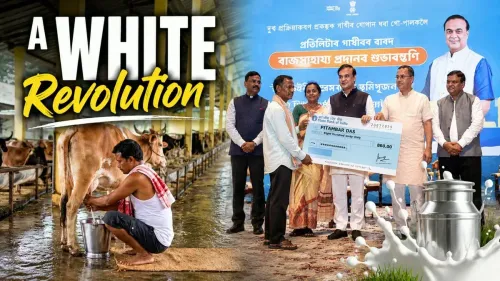
The state government is currently providing subsidies to more than 25,000 dairy farmers to boost productivity and modernise farm operations. The subsidy programme is designed to help farmers purchase quality cattle, adopt improved dairy practices, and upgrade infrastructure at the farm level.
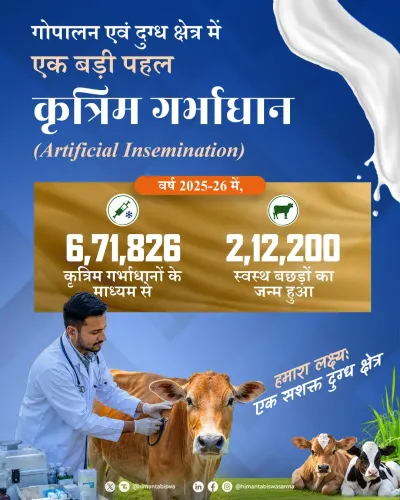
Alongside financial assistance, the government has been rolling out measures covering better livestock management, scientific breeding practices, and enhanced veterinary support. Fodder availability and milk collection infrastructure have also been prioritised as part of the broader intervention package.
Rural Economy and Employment Impact
The dairy sector has emerged as a critical pillar of Assam's rural economy, particularly for small and marginal farmers who supplement agricultural income through livestock rearing. A senior government official noted that increased milk production will improve nutritional security while generating employment across the dairy value chain — spanning processing, transportation, and marketing.
This comes amid Assam's broader push to position agriculture and allied sectors, including fisheries and animal husbandry, as key drivers of rural prosperity. Notably, dairy has been identified alongside these sectors as a priority employment generator in the state's development strategy.
What the Government Is Doing Next
Authorities expressed confidence that continued policy support and active farmer participation will bring the state progressively closer to its ambitious daily production goal. Officials expect these combined interventions — financial, technical, and infrastructural — to raise per-animal productivity and ensure sustainable income generation in rural Assam. The government's long-term vision is to build an organised, self-reliant dairy ecosystem that reduces import dependence and strengthens household incomes across the state's rural belt.
Point of View
000 farmers is a meaningful start, yet Assam's dairy sector has historically struggled with fragmented collection infrastructure and low per-animal productivity. The real test will be whether the government's veterinary and breeding interventions translate into verifiable output gains, or whether this joins the roster of agri-allied targets that look bold on paper but stall at implementation.
NationPress
2 Jul 2026
Frequently Asked Questions
What is Assam's daily milk production target?
Assam has set a target of producing 10 lakh litres of milk per day, as announced by Chief Minister Himanta Biswa Sarma on 2 July . Achieving this would make the state self-sufficient in dairy and reduce its reliance on milk imports from other states.
How many dairy farmers are receiving subsidies in Assam?
The Assam government is currently providing subsidies to more than 25,000 dairy farmers . The programme is aimed at helping them purchase quality cattle, adopt improved dairy practices, and modernise farm operations.
Why does Assam want to increase milk production?
Assam currently depends on milk imports from neighbouring states to meet local demand. Higher domestic production would reduce this dependence, improve nutritional security, and generate employment across the dairy value chain including processing, transportation, and marketing.
What steps is the Assam government taking to boost dairy output?
The government is implementing financial subsidies, scientific breeding programmes, improved livestock management, enhanced veterinary support, better fodder availability, and stronger milk collection infrastructure to raise dairy productivity across the state.
How does dairy fit into Assam's broader development strategy?
Dairy has been identified alongside fisheries and animal husbandry as a key driver of rural prosperity and employment in Assam . The state government has repeatedly stressed that agriculture and allied sectors are central to its overall development agenda, particularly for small and marginal farmers.