Bihar woman delivers twins — one in moving cab, other at Kolkata hospital
Synopsis
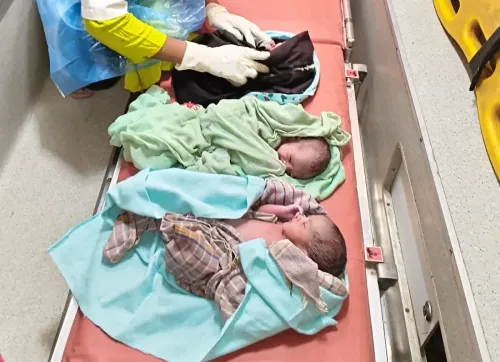
A routine cab ride to hospital turned into an emergency delivery room — a Bihar woman gave birth to one twin in a moving vehicle and the second minutes later in a Kolkata emergency ward. Quick decisions by doctors ensured all three survived without major complications.
Key Takeaways
A 29-year-old woman from Darbhanga, Bihar delivered one twin in a moving cab on 6 August en route to a hospital in Salt Lake, Kolkata .
The second twin, a baby boy , was born in the hospital's emergency department under medical supervision.
Both newborns — a girl and a boy — were admitted to the NICU for observation and specialised care.
Doctor Paramita Kanjilal Chakraborty confirmed no major complications arose due to timely medical intervention.
The mother and both babies are reported to be in good health .
A 29-year-old woman from Darbhanga, Bihar, gave birth to one of her twin babies inside a moving cab and the second under medical supervision at a hospital in Salt Lake, Kolkata, on Thursday, 6 August. Both newborns and the mother are reported to be in good health, thanks to swift action by emergency medical staff.
How the emergency unfolded
The woman had been staying at a relative's home in Salt Lake since July. When she went into labour on Thursday morning, her family called a cab to rush her to the nearest hospital. Before the vehicle could reach its destination, she delivered a baby girl inside the moving cab.
On arrival at the hospital's emergency department, the newborn was given primary treatment and transferred to the Neonatal Intensive Care Unit (NICU). The mother then delivered a baby boy in the emergency department itself, under full medical supervision. He was also admitted to the NICU for observation and specialised care.
What the doctors said
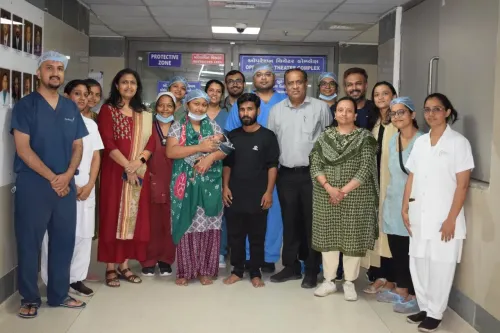
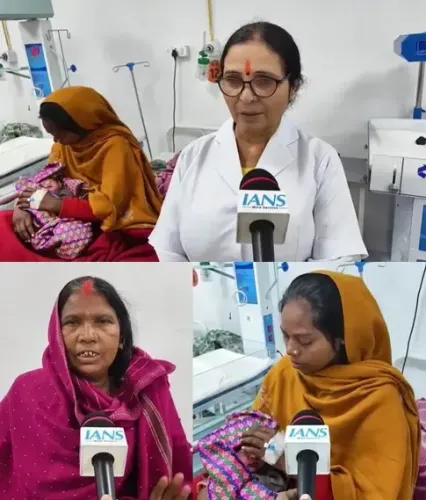
Hospital doctor Paramita Kanjilal Chakraborty said, 'After bringing the patient to the hospital, the emergency department doctors and health workers started treatment quickly. One baby was already born in the cab, while the other was born safely in the hospital. Due to timely treatment and quick decisions, the mother and both babies are now healthy.'
Medical staff noted that no major complications arose in either delivery, crediting the rapid response of the emergency team and the coordinated efforts of doctors, nurses, and support personnel.
Condition of mother and newborns
Both babies remain in the NICU for routine observation and specialised neonatal care, a standard protocol for infants born in non-clinical settings or under emergency conditions. The mother is stable and recovering. Family members expressed relief at the safe outcome for all three.
Broader context
Unplanned out-of-facility deliveries remain a public health concern in India, particularly for expectant mothers who travel long distances for family visits or medical care. This case underscores the critical role of well-equipped urban emergency departments in managing high-risk obstetric situations that arrive without prior warning.
Point of View
The outcome depends entirely on the speed of urban emergency infrastructure — which, in this case, held. The NICU availability at the Salt Lake facility was not incidental; it was decisive. India's maternal health statistics still mask wide urban-rural disparities in emergency obstetric readiness, and cases like this one are a reminder that proximity to a well-equipped hospital can be the difference between a safe delivery and a tragedy.
NationPress
21 Sept 2026
Frequently Asked Questions
Where did the Bihar woman deliver her twins?
She delivered one twin — a baby girl — inside a moving cab while being transported to hospital, and the second twin, a baby boy, in the emergency department of a hospital in Salt Lake, Kolkata, on 6 August.
Are the mother and babies safe?
Yes. The mother and both newborns are reported to be in good health. Both babies were admitted to the Neonatal Intensive Care Unit (NICU) for observation and specialised care as a precautionary measure.
What did the attending doctor say?
Dr Paramita Kanjilal Chakraborty said that quick decisions and timely treatment by the emergency team ensured that both the mother and babies are now healthy, with no major complications in either delivery.
Why were the babies moved to the NICU?
Admission to the NICU is standard protocol for newborns delivered outside a clinical setting or under emergency conditions. Both twins were placed under observation to monitor their health and receive specialised neonatal care.
Where was the woman originally from and why was she in Kolkata?
The woman is a 29-year-old resident of Darbhanga, Bihar. She had come to Salt Lake, Kolkata, in July to stay at a relative's home, and went into labour unexpectedly on Thursday morning.