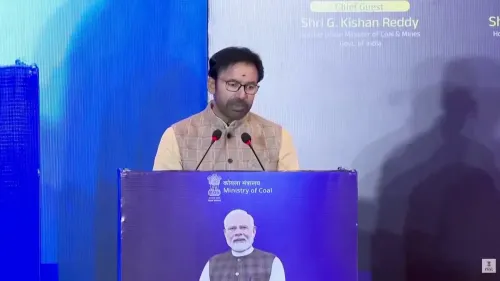
Kishan Reddy: Cabinet clears ₹37,500 cr coal gasification Phase 2
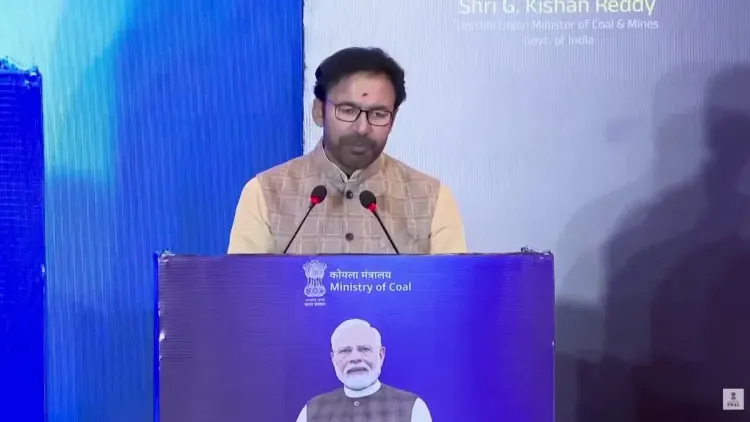
Synopsis
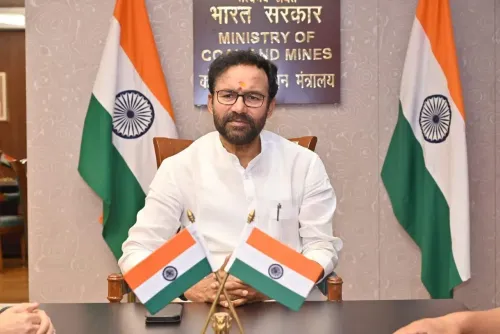
Union Coal and Mines Minister G. Kishan Reddy announced Cabinet approval for the second phase of the Coal Gasification Incentive Scheme worth ₹37,500 crore. Combined with the first phase, total outlay reaches ₹46,000 crore. Eight projects are sanctioned under Phase 1, with four already under construction.
Key Takeaways
The Union Cabinet approved the second phase of the Coal Gasification Incentive Scheme with an outlay of ₹37,500 crore .
The first phase carried an allocation of ₹8,500 crore ; combined outlay across both phases is ₹46,000 crore .
Under Phase 1, 8 projects have been sanctioned and work on nearly 4 is already underway.
India set a national target in 2020 to gasify 100 million tonnes of coal by 2030 .
The scheme targets downstream industries including chemicals, fertilisers, and steel that use syngas as a feedstock.
The Ministry of Coal prepared and issued scheme guidelines rapidly after Cabinet approval, per the minister's statement.
Union Coal and Mines Minister G. Kishan Reddy announced on Thursday, 28 May 2026 that the Union Cabinet has approved the second phase of the Coal Gasification Incentive Scheme with an outlay of ₹37,500 crore, building on the first phase allocation of ₹8,500 crore under which eight projects have already been sanctioned.
Context
In his post, the minister stated that under the first phase, work on 'nearly 4 projects' is already underway on the ground, with the remaining sanctioned projects 'progressing rapidly.' He credited the initiative to the 'visionary leadership' of Prime Minister Narendra Modi and described the pace of implementation as reflecting 'decisive, reform-driven, and action-oriented governance.'
The combined outlay across both phases now stands at ₹46,000 crore, making the Coal Gasification Incentive Scheme one of the larger central incentive programmes in the energy sector. The Ministry of Coal served as the nodal agency for preparing scheme guidelines and bringing implementation details before stakeholders.
Policy Backdrop
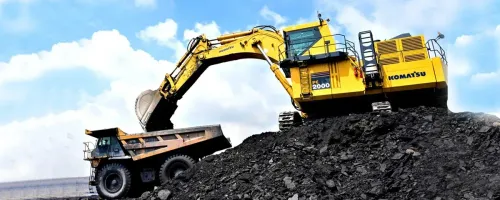
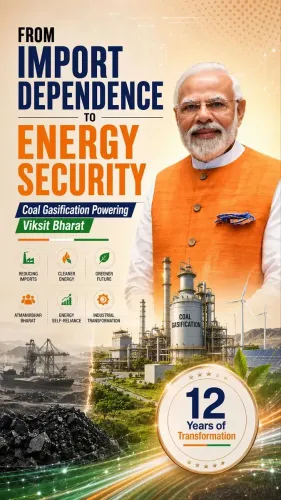
India's coal gasification push traces back to a 2020 national target to gasify 100 million tonnes of coal by 2030, aimed at diversifying coal use beyond direct combustion. Gasification converts coal into syngas, which feeds downstream industries including chemicals, fertilisers, and steel, reducing dependence on imported natural gas and naphtha.
The incentive scheme sits within a broader reform package that includes commercial coal mine auctions and clean-coal technology pilots. Successive administrations have pursued gasification as a route to energy security, but the structured incentive framework with phased financial allocations represents a more direct fiscal commitment to the technology's commercialisation.
Stakeholders and Impact
The primary beneficiaries of the scheme are coal project developers and downstream industries — particularly the chemical, fertiliser, and steel sectors — that rely on syngas as a feedstock. For fertiliser manufacturers, domestic syngas from gasification could partially substitute imported natural gas, with implications for input costs and the government's fertiliser subsidy bill.
Reddy noted that the ministry worked 'extensively' in a 'short span of time' to prepare guidelines and present scheme details to stakeholders following Cabinet approval, signalling an intent to compress the lag between policy sanction and on-ground activity that has historically slowed large infrastructure programmes.
What's Next
The immediate focus shifts to the issuance of detailed project guidelines and the opening of applications under the second phase. Progress on the four first-phase projects already under construction will serve as an early indicator of execution quality before the far larger second-phase outlay is deployed.
A mid-term review of the combined ₹46,000 crore programme — covering timelines, capacity targets, and technology performance — will be closely watched by both industry and policymakers as India's 2030 gasification target approaches the midpoint of its implementation window.
Point of View
500 crore first tranche to a much larger ₹37,500 crore second tranche — signals that the government is willing to scale fiscal commitment once early-phase project sanctions are in place, a pattern seen in production-linked incentive schemes across other sectors. For G. Kishan Reddy, the announcement also serves a political purpose: it positions the coal ministry as a proactive reform actor rather than a legacy-fuel custodian, important framing as India navigates global pressure on coal dependence. The emphasis on speed of guideline preparation after Cabinet approval reflects a broader administrative messaging strategy around 'decisive governance.' Whether the execution pace of Phase 2 matches the announcement rhetoric will depend on private sector appetite at a time when financing for coal-linked projects faces growing scrutiny from lenders.
NationPress
11 Oct 2026
Frequently Asked Questions
What is the Coal Gasification Incentive Scheme?
The Coal Gasification Incentive Scheme is a central government programme that provides financial incentives to developers setting up coal gasification plants, which convert coal into syngas for use in chemicals, fertilisers, and steel production. It was launched in phases, with Phase 1 carrying an outlay of ₹8,500 crore and Phase 2 approved at ₹37,500 crore.
How many projects have been approved under the coal gasification scheme so far?
Eight projects have been sanctioned under the first phase of the Coal Gasification Incentive Scheme, with work on nearly four of them already underway on the ground, according to Union Coal Minister G. Kishan Reddy.
What is India's coal gasification target for 2030?
India set a national target in 2020 to gasify 100 million tonnes of coal by 2030, aiming to produce syngas for downstream industries and reduce dependence on imported natural gas and naphtha.
What is the total outlay of the Coal Gasification Incentive Scheme across both phases?
The combined outlay across Phase 1 (₹8,500 crore) and the newly approved Phase 2 (₹37,500 crore) totals ₹46,000 crore.
Who is G. Kishan Reddy and what ministry does he head?
G. Kishan Reddy is the Union Minister of Coal and Mines in the Government of India and also serves as the BJP's Telangana state president. He is the minister responsible for implementing the Coal Gasification Incentive Scheme.