China pushes Africa to repay debt in yuan, not USD — a currency power play
Synopsis
China is quietly rewriting the rules of African debt — not by forgiving it, but by redenominating it. Kenya's shift to yuan repayments is the clearest sign yet that Beijing is using its $150–$180 billion lending footprint across Africa to build a parallel financial architecture that chips away at dollar dominance, one debt restructuring at a time.
Key Takeaways
China is reportedly pressing African nations to repay Chinese debt in yuan rather than US dollars , according to a report in Nigeria's Independent newspaper.
Kenya has restructured a portion of its Chinese debt into yuan-denominated repayments, interpreted as an early signal of a wider shift in international finance.
African countries collectively accumulated an estimated $150 billion to $180 billion in Chinese lending commitments over two decades.
Major African borrowers include Angola , Ethiopia , Kenya , Zambia , Egypt , Cameroon , South Africa , and Nigeria .
Analysts warn that currency depreciation acts as a 'silent multiplier' of debt pressure, as governments collect taxes in local currencies but repay externally.
China's yuan push is seen as part of a broader strategy to build an alternative financial architecture alongside — not replacing — the dollar system.
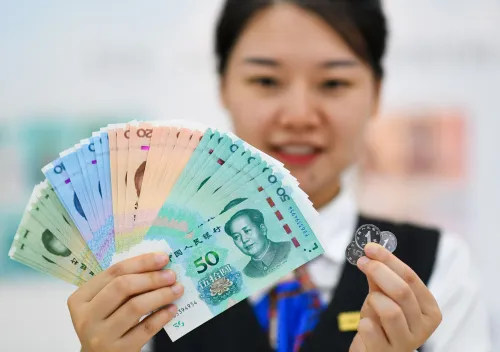
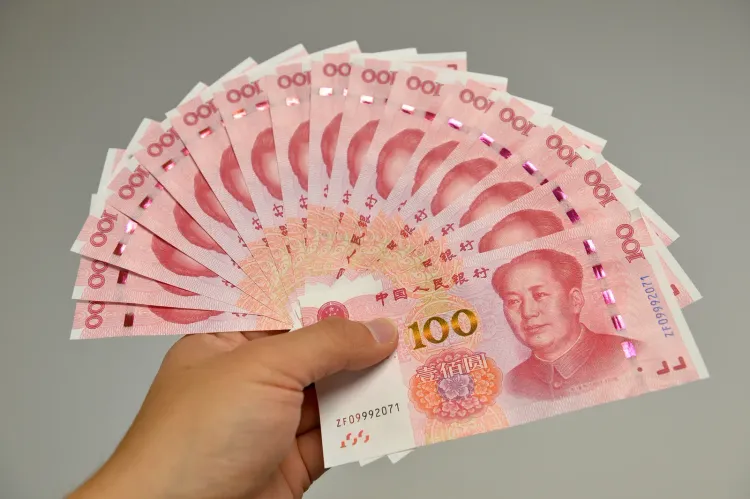
China has begun pressing African nations to shift their debt repayments from the US dollar to the Chinese yuan, according to a report in Nigeria's Independent newspaper, in what analysts are increasingly reading as a deliberate strategy to internationalise the yuan and erode the dollar's dominance in global finance. Kenya's recent decision to restructure a portion of its Chinese debt into yuan-denominated repayments has emerged as the most visible early signal of this shift.
The Architecture of Chinese Lending in Africa
China's rise as Africa's predominant creditor was not accidental. Across the continent, governments faced acute infrastructure deficits — unfinished roads, underdeveloped ports, outdated rail networks, insufficient power generation, and constrained industrial logistics. Where traditional international lenders attached governance conditions, extensive policy requirements, and lengthy approval timelines, Chinese financing arrived with speed and scale, the report noted.
Historical estimates cited in the report indicate that African countries collectively accumulated roughly $150 billion to $180 billion in Chinese lending commitments over two decades, though outstanding balances vary as loans mature and repayments continue. Among the major recipients were Angola, Ethiopia, Kenya, Zambia, Egypt, Cameroon, South Africa, and Nigeria.
Nigeria and the Debt-Development Paradox
Nigeria illustrates both the attraction and the complexity of the Chinese lending model. Chinese-backed financing became associated with tangible, politically visible projects — modern rail corridors, airport terminal expansions, hydropower plants, communications infrastructure, and urban transit systems. Supporters argue these projects delivered assets that might otherwise have remained on drawing boards for years.
Yet the report observes that criticism of the Chinese model centres less on the borrowing itself and more on what follows after construction ends. Infrastructure does not automatically generate revenue at the pace repayment schedules demand. Governments collect taxes largely in local currencies while repayment obligations remain external, making currency depreciation a 'silent multiplier' of debt pressure. More resources directed toward debt servicing leave less fiscal room for education, healthcare, social investment, and security expenditure.
Kenya's Yuan Pivot: Pragmatism or Dependency?
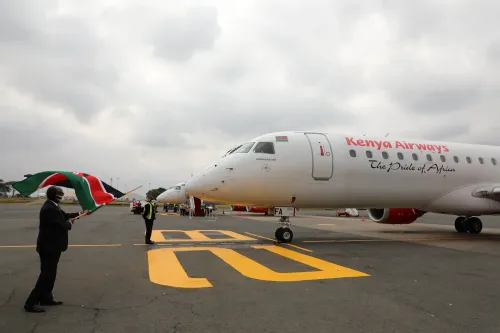
It is within this context that Kenya's move carries strategic weight. By renegotiating portions of its Chinese debt from dollar denomination into yuan, Kenya sought relief from exchange-rate pressures and lower financing costs. The debt itself remains, but the currency has changed. Supporters of the adjustment have framed it as economic pragmatism.
However, as the Independent report cautions, 'currency is not merely a medium of exchange. It is influence.' The shift effectively deepens Kenya's financial integration with the Chinese monetary system — a trade-off that analysts say deserves careful scrutiny.
China's Broader Yuan Internationalisation Drive
China's wider objective, according to the report, is increasingly clear. The internationalisation of the yuan is no longer theoretical. Expanding yuan settlement systems, promoting cross-border financing in Chinese currency, and now encouraging debt repayment in yuan all point toward the construction of an alternative financial architecture operating alongside — rather than overthrowing — the dollar-centred order.
For the United States, the concern is structural: if more countries settle trade, borrow, and repay debt outside the dollar, demand for dollar intermediation may gradually weaken at the margins. Financial influence that once appeared automatic could become contested over time, the report warned.
The Central Risk for Africa
Regardless of whether debt is denominated in dollars, yuan, or any other currency, the report argues that the fundamental challenge for Africa remains unchanged. Borrowing only becomes development when it creates productive capacity that exceeds the cost of repayment. A railway may carry passengers, a road may shorten travel time, and a dam may improve electricity supply — yet those benefits do not always translate into immediate financial returns sufficient to service external debt. As yuan-denominated obligations expand, African governments will need to assess whether the currency shift addresses the underlying structural problem or simply repackages it.
Point of View
And in doing so, quietly expand the yuan's transactional footprint without a single headline about 'de-dollarisation.' What mainstream coverage misses is that this is not about Africa gaining leverage — it is about China gaining a new class of yuan-obligated sovereigns. The $150–$180 billion lending base is not just infrastructure finance; it is the foundation of an alternative settlement network. For African governments, the currency on the invoice may change, but the structural trap — borrowing in external currency while earning in local — does not.
NationPress
11 Oct 2026
Frequently Asked Questions
Why is China asking African countries to repay debt in yuan instead of US dollars?
China is pushing for yuan-denominated debt repayments as part of a broader strategy to internationalise the yuan and reduce global dependence on the US dollar, according to a report in Nigeria's Independent newspaper. Beijing does not control the dollar, and expanding yuan settlement systems strengthens its financial influence internationally.
What did Kenya do with its Chinese debt?
Kenya restructured a portion of its Chinese debt, shifting repayments from US dollars to Chinese yuan. The move was driven by a desire to reduce exchange-rate pressure and lower financing costs, though analysts note the underlying debt obligation remains unchanged.
How much has China lent to African countries?
Historical estimates cited in the report indicate African countries collectively accumulated roughly $150 billion to $180 billion in Chinese lending commitments over two decades. Outstanding balances vary as loans mature and repayments continue.
Which African countries are the largest recipients of Chinese loans?
Among the major recipients of Chinese-backed development financing are Angola, Ethiopia, Kenya, Zambia, Egypt, Cameroon, South Africa, and Nigeria. These countries received funding primarily for infrastructure projects including railways, ports, hydropower plants, and communications networks.
What are the risks for Africa if debt repayments shift to yuan?
The core risk is that a currency shift does not resolve the structural problem: African governments collect taxes in local currencies but must repay external debt, making currency depreciation a multiplier of debt pressure. Critics argue that yuan-denominated obligations deepen financial dependency on China without addressing whether the underlying infrastructure generates sufficient revenue to service the debt.