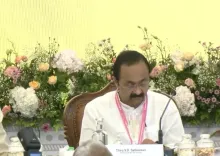
CM Bhagwant Mann monitors Punjab river levels amid monsoon rise
Synopsis
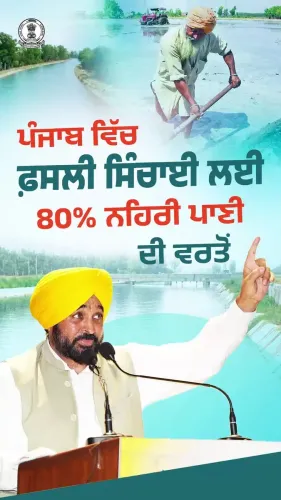
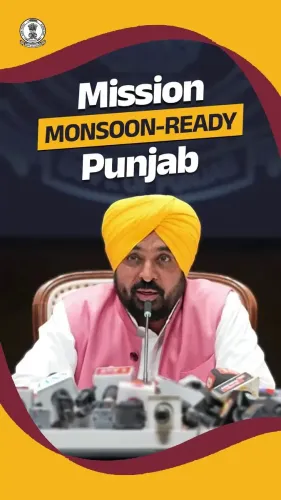
Chief Minister Bhagwant Mann assured Punjab residents on 20 August 2026 that the state government is closely monitoring river and water-source levels during the monsoon season, urging calm and pledging to protect lives and livelihoods.
Key Takeaways
Bhagwant Mann issued a public assurance on 20 August 2026 that the Punjab government is closely monitoring water levels across rivers and water sources.
The statement was directed at residents in riverine areas and farming communities — the groups most vulnerable to seasonal flooding.
Punjab's three major river systems — Sutlej, Beas and Ravi — typically see elevated flows during the monsoon, triggering state alert mechanisms.
Mann has led the Aam Aadmi Party government in Punjab since March 2022 and has used direct public communication as a consistent governance style.
The government pledged commitment to protecting both lives and livelihoods , signalling awareness of agricultural risk alongside human safety.
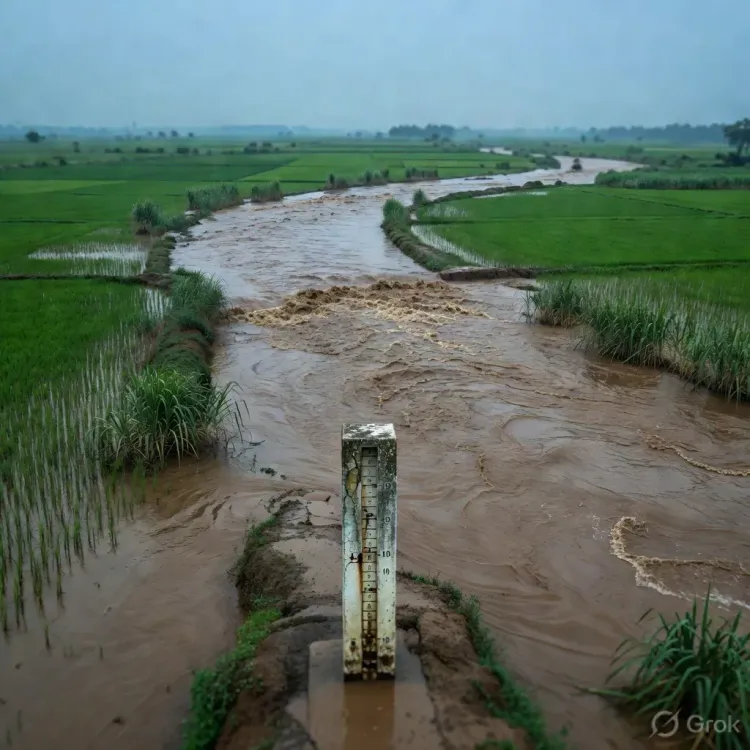
With monsoon waters swelling the Sutlej, Beas and Ravi river systems, Punjab Chief Minister Bhagwant Mann stepped forward on Thursday, 20 August 2026 to directly address the state's residents — urging calm and pledging that the government has its eyes on every gauge and water source across the state.
The Chief Minister's Office of Punjab confirmed that Mann assured citizens the state administration is 'closely monitoring water levels across rivers and water sources' and remains 'committed to protecting lives and livelihoods.' The message was aimed squarely at riverine communities and farming households — the two groups most exposed when Punjab's rivers run high.
Punjab's monsoon pressure points: Sutlej, Beas and Ravi
Every monsoon season, Punjab's three major river systems test the state's flood-response machinery. The Sutlej in particular has a history of inundating low-lying villages in the Malwa belt, while the Beas and Ravi put pressure on districts along the state's northern and western flanks. State governments have, for years, operated district-level flood control rooms and real-time gauge monitoring networks during peak flow periods — a framework the current Aam Aadmi Party administration under Mann inherited and continues to run.
Why the CM's direct reassurance matters to farmers
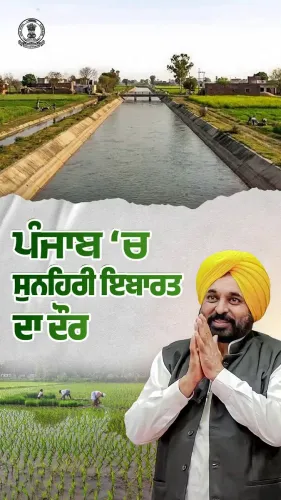
For Punjab's farming communities, a river alert is not an abstraction — it is a threat to standing crops, livestock, and the embankments that protect cultivated land. Bhagwant Mann, who has led the state since March 2022, has made direct public communication a signature of his office's style, and this statement follows that pattern: a clear, personal assurance rather than a bureaucratic bulletin. The emphasis on 'livelihoods' signals that agricultural loss, not just human safety, is on the government's radar.
What to watch in the coming days: whether district flood control rooms are formally activated, and whether specific river gauge readings or evacuation advisories follow from the state's disaster management authority.
Point of View
Keeping the Chief Minister's voice front and centre during a monsoon watch is as much about political trust-building as it is about public safety. The framing around 'livelihoods' alongside 'lives' is deliberate: Punjab's agrarian identity means flood anxiety is inseparable from economic anxiety, and the government knows it. Whether the reassurance holds will depend entirely on what the rivers do next.
NationPress
20 Aug 2026
Frequently Asked Questions
What did CM Bhagwant Mann say about Punjab floods in August 2026?
On 20 August 2026, CM Bhagwant Mann assured Punjab residents that the state government is closely monitoring water levels across rivers and water sources, and urged people to remain calm while pledging to protect lives and livelihoods.
Which rivers are being monitored in Punjab during the 2026 monsoon?
Punjab's three major river systems — the Sutlej, Beas and Ravi — are the primary water bodies monitored during the monsoon season, as they are most prone to elevated flows that can affect riverine communities and farmland.
Is there a flood alert in Punjab right now?
The Chief Minister's Office issued a public statement on 20 August 2026 confirming close monitoring of water levels, though no specific flood alert or evacuation advisory was announced in the post.
How does the Punjab government handle monsoon flood management?
The Punjab government operates district-level flood control rooms and real-time river gauge monitoring networks during the monsoon season, a system the current AAP administration under Bhagwant Mann continues to run.
Who is Bhagwant Mann and when did he become Punjab CM?
Bhagwant Mann is the Chief Minister of Punjab, leading the Aam Aadmi Party government in the state since March 2022.