CM Dhami Champions Uttarakhand Folk Culture at Shravani Mela
Synopsis
Uttarakhand Chief Minister Pushkar Singh Dhami on 16 July 2026 declared the Shravani Mela a cornerstone of the state's folk and spiritual heritage, pledging continued government commitment to conserving and promoting Uttarakhand's traditional culture, folk arts, and music.
Key Takeaways
CM Pushkar Singh Dhami posted on 16 July 2026 affirming the government's commitment to Uttarakhand's folk and spiritual heritage.
He described the Shravani Mela as more than a religious festival — calling it a living medium for folk arts, folk music, and traditional values.
The post characterised Uttarakhand's folk culture and local fairs as 'amulya dharohar' — invaluable heritage deserving active preservation.
The BJP -led state government has consistently linked cultural preservation to identity, tourism, and rural economic development since statehood in 2000 .
Key stakeholders include folk artists, rural communities , and cultural tourists who depend on state-backed promotion of traditional melas.
Budget allocations for folk-artist welfare and cultural documentation will be closely watched as indicators of concrete follow-through.
Uttarakhand Chief Minister Pushkar Singh Dhami on Thursday, 16 July 2026, reaffirmed his government's commitment to preserving the state's folk culture, traditional fairs, and spiritual heritage, citing the Shravani Mela as a living embodiment of Uttarakhand's cultural identity.
Context
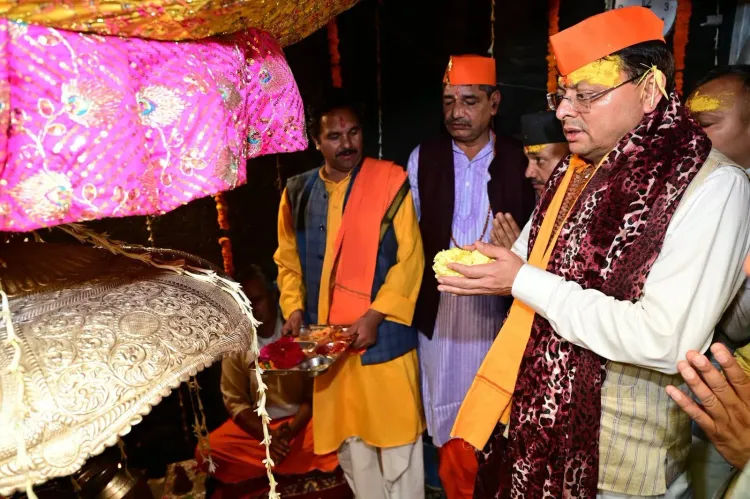
Posting on X in Hindi, CM Dhami described Uttarakhand's folk culture, local fairs, and spiritual traditions as 'amulya dharohar' — invaluable heritage. He specifically highlighted the Shravani Mela, calling it not merely a festival of faith but a powerful medium for keeping folk arts, folk music, and traditional life values alive. 'Our government is continuously working with commitment for the conservation, promotion, and wide dissemination of these heritages,' he wrote.
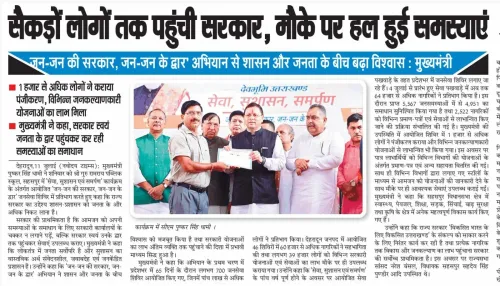
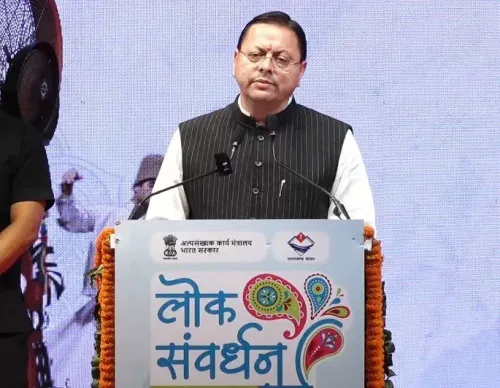
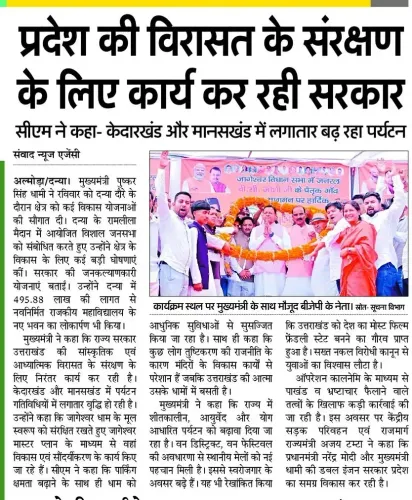
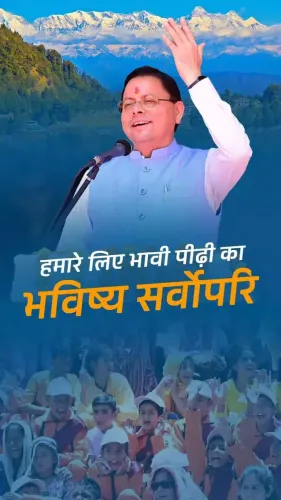
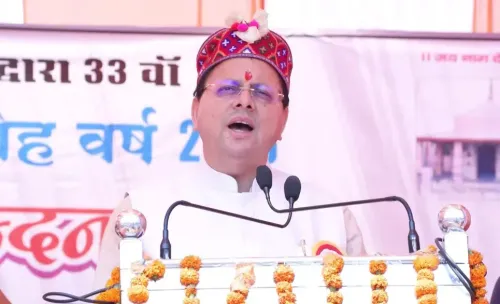
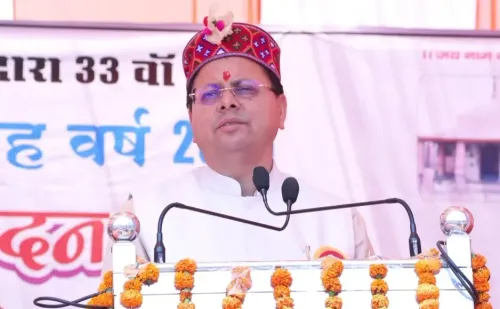
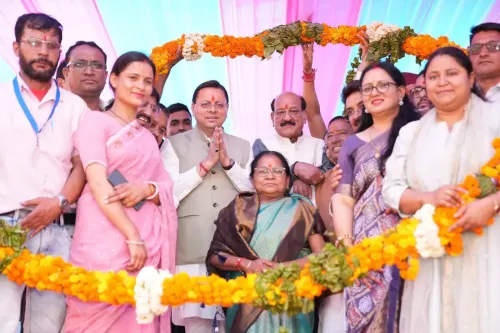
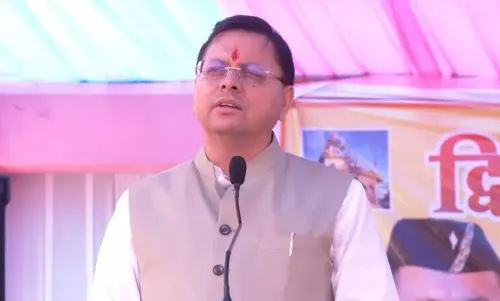
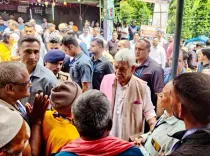
The post was accompanied by four images, underscoring the visual richness of the fair and its cultural activities.
Policy Backdrop
Uttarakhand was carved out as a separate state in 2000, with the preservation of its distinct Himalayan folk traditions forming a core part of its identity. The state's cultural landscape — encompassing lok geet (folk songs), lok nritya (folk dance), and seasonal melas — has historically differentiated it from the plains culture of Uttar Pradesh, from which it was separated.
The BJP-led state government has consistently framed cultural preservation as both an identity and a development priority, linking traditional fairs and spiritual sites to cultural tourism and rural economic activity. The Shravani Mela, held annually during the auspicious month of Shravan, is among the most prominent such gatherings, drawing devotees and folk artists from across the region.
Stakeholders and Impact
Folk artists, rural communities, and cultural tourists stand at the centre of the state's heritage agenda. For folk musicians and artisans, government-backed promotion of events like the Shravani Mela translates into visibility, livelihood support, and intergenerational transmission of craft traditions that might otherwise erode under modernisation pressures.
For Uttarakhand's economy, the convergence of spiritual tourism and cultural programming at such melas generates local commerce — from handloom stalls to hospitality — especially in hill districts where employment options remain limited. CM Dhami's public articulation of this commitment signals continued state-level patronage for these ecosystems.
What's Next
Observers will watch for concrete follow-through in the form of state budget allocations for folk-artist welfare schemes, cultural documentation drives, or expanded infrastructure at mela grounds. The next edition of the Shravani Mela will serve as a key test of whether the stated commitment translates into measurable support for performers and communities on the ground.
Broader policy watchers will also track whether Uttarakhand introduces formal intangible heritage registers or ties cultural preservation to its tourism promotion strategy in the coming months.
Point of View
The Chief Minister signals to rural and folk-artist constituencies that their traditions have state-level visibility. This fits a broader pattern across BJP-ruled states of integrating intangible heritage into the development narrative, blurring the line between cultural patronage and political outreach. The real test will be whether the rhetoric is matched by budget lines and institutional support for folk artists.
NationPress
16 Jul 2026
Frequently Asked Questions
What is the Shravani Mela in Uttarakhand?
The Shravani Mela is an annual traditional fair held in Uttarakhand during the Hindu month of Shravan, celebrating folk arts, folk music, spiritual practices, and the state's distinct cultural heritage.
What did CM Dhami say about Uttarakhand's folk culture?
CM Pushkar Singh Dhami described Uttarakhand's folk culture, local fairs, and spiritual traditions as invaluable heritage, calling the Shravani Mela a powerful medium for keeping folk arts, music, and traditional life values alive.
What is the Uttarakhand government doing for cultural preservation?
According to CM Dhami's 16 July 2026 post, his government is continuously working with commitment toward the conservation, promotion, and wide dissemination of the state's folk and spiritual heritage.
Why is folk culture important to Uttarakhand's identity?
Uttarakhand was formed as a separate state in 2000 partly to protect its distinct Himalayan folk traditions, which differ significantly from plains culture; these traditions underpin both cultural tourism and rural community livelihoods.
Who benefits from the Uttarakhand government's cultural heritage initiatives?
Folk artists, rural communities, and cultural tourists are the primary beneficiaries, as state support for melas and traditional fairs provides visibility, livelihood opportunities, and platforms for intergenerational transmission of folk arts.