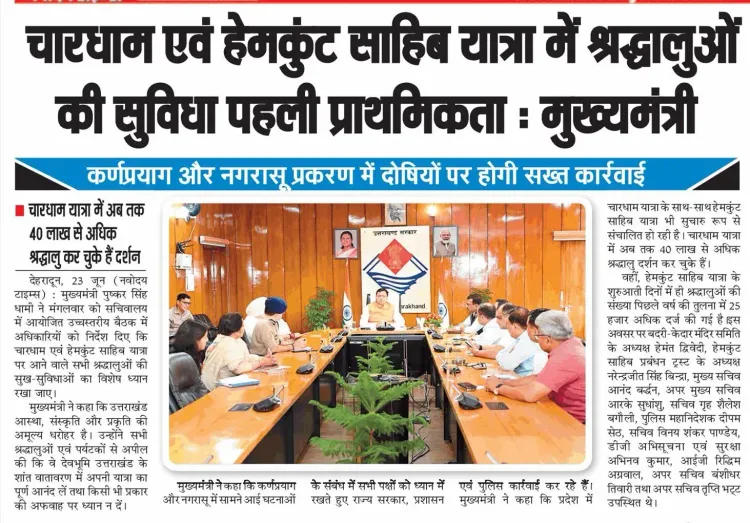
CM Dhami: Pilgrim convenience top priority for Char Dham, Hemkunt Sahib yatra
Synopsis
Chief Minister Pushkar Singh Dhami has declared pilgrim convenience the top priority for Uttarakhand's Char Dham and Hemkunt Sahib yatra, signalling renewed state focus on infrastructure, logistics and safety management for the high-altitude pilgrimage season.
Key Takeaways
CM Pushkar Singh Dhami on 24 June 2026 reaffirmed that pilgrim convenience is the foremost priority for the ongoing yatra season.
The statement covers both the Char Dham circuit (Badrinath, Kedarnath, Gangotri, Yamunotri) and Hemkunt Sahib in Chamoli district.
The Char Dham All-Weather Road Project , approved in 2016 , underpins the state's long-term connectivity push for pilgrimage routes.
Seasonal yatra management involves coordination among state agencies, the BRO , and temple management boards.
The national PRASHAD scheme has provided central funding for upgrading amenities at key Uttarakhand pilgrimage sites.
Operational updates on road status, medical camps and registration systems are expected to follow the CM's statement.
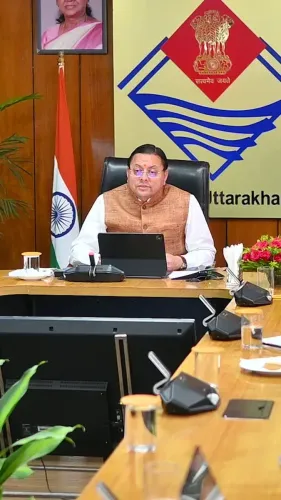
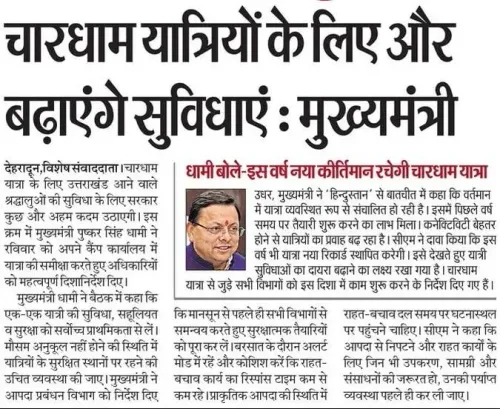
The Chief Minister's Office of Uttarakhand on Wednesday, 24 June 2026 shared a statement from Chief Minister Pushkar Singh Dhami reaffirming that the convenience of devotees undertaking the Char Dham and Hemkunt Sahib pilgrimages remains the government's foremost priority this yatra season.
Context
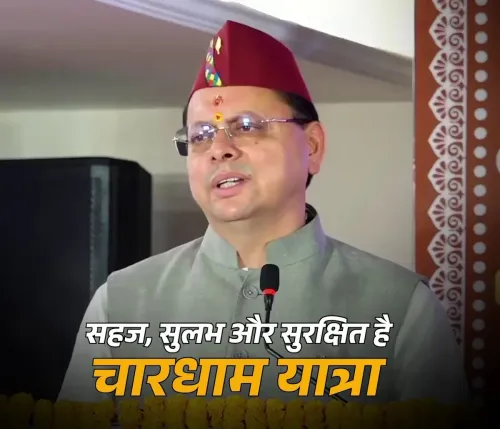
In his statement, CM Dhami declared: 'Chardham aur Hemkunt Sahib yatra mein shraddhaaluon ki suvidha pahli prathamikta hai' ('Pilgrim convenience in the Char Dham and Hemkunt Sahib yatra is the first priority'). The announcement signals the state government's continued emphasis on managing one of India's most demanding religious travel circuits ahead of the peak summer pilgrimage window.
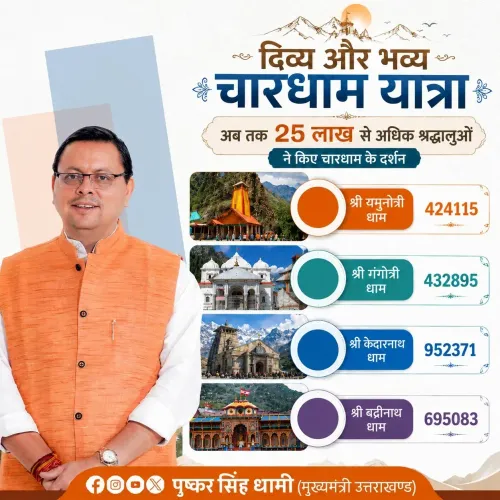
The Char Dham circuit — comprising Badrinath, Kedarnath, Gangotri, and Yamunotri — draws millions of Hindu devotees each year. Hemkunt Sahib, a revered Sikh gurudwara nestled in the Chamoli district, attracts tens of thousands of Sikh pilgrims during the same seasonal window.
Policy Backdrop
Pilgrim infrastructure in Uttarakhand has been a sustained policy focus for successive state governments. The Char Dham All-Weather Road Project, approved in 2016, was designed to improve connectivity and reduce weather-related disruptions along the four sacred routes. The project involves widening and upgrading key stretches to ensure year-round access.
At the national level, the PRASHAD (Pilgrimage Rejuvenation and Spiritual, Heritage Augmentation Drive) scheme has channelled central funds into upgrading amenities at major religious sites across India, with several Uttarakhand destinations among the beneficiaries. Seasonal yatra management typically involves close coordination between state agencies, the Border Roads Organisation (BRO), and temple management boards.
Stakeholders and Impact
Pilgrims travelling to the Char Dham and Hemkunt Sahib sites depend heavily on state-managed logistics — including road maintenance, medical camps, registration systems, and crowd management protocols. Any lapse in these facilities can have serious safety consequences given the high altitude and unpredictable weather conditions along these routes.
The tourism and hospitality sector across Uttarakhand — spanning guesthouses, transport operators, and local vendors — is closely tied to the yatra season's footfall. A well-managed pilgrimage season translates directly into economic activity for communities in Rishikesh, Haridwar, Joshimath, and dozens of smaller towns along the routes.
What's Next
The government's statement is expected to be followed by operational updates on road conditions, medical infrastructure deployment, and the status of online pilgrim registration systems. Authorities are likely to coordinate with temple committees and the BRO to address any bottlenecks before footfall peaks.
With CM Dhami personally reiterating the priority status of pilgrim welfare, the administration faces pressure to translate the commitment into measurable on-ground improvements — particularly in light of recurring concerns about overcrowding and emergency response along high-altitude stretches of the yatra routes.
Point of View
And any visible failure on safety or facilities carries outsized electoral consequences. The statement also fits a broader pattern of the Dhami administration using pilgrimage infrastructure as a flagship governance narrative, building on central schemes and road projects to project administrative competence. Observers will watch whether this commitment translates into measurable improvements in crowd management and emergency response at high-altitude points.
NationPress
24 Jun 2026
Frequently Asked Questions
What did CM Dhami say about Char Dham yatra 2026?
CM Pushkar Singh Dhami declared on 24 June 2026 that the convenience of pilgrims undertaking the Char Dham and Hemkunt Sahib yatra is the government's top priority this season.
Which sites are included in the Char Dham yatra in Uttarakhand?
The Char Dham circuit in Uttarakhand comprises four sacred Hindu sites: Badrinath, Kedarnath, Gangotri, and Yamunotri.
Where is Hemkunt Sahib located?
Hemkunt Sahib is a revered Sikh gurudwara located in the Chamoli district of Uttarakhand, situated at high altitude and accessible during the summer pilgrimage season.
What is the Char Dham All-Weather Road Project?
The Char Dham All-Weather Road Project was approved in 2016 to widen and upgrade key road stretches connecting the four dhams, aiming to improve safety and ensure year-round access for pilgrims.
What is the PRASHAD scheme and how does it relate to Uttarakhand pilgrimage sites?
PRASHAD (Pilgrimage Rejuvenation and Spiritual, Heritage Augmentation Drive) is a central government scheme that funds upgrades to amenities at major religious sites across India, with several Uttarakhand destinations among its beneficiaries.