CM Dhami Warns of Strict Action After Dehradun Incident
Synopsis
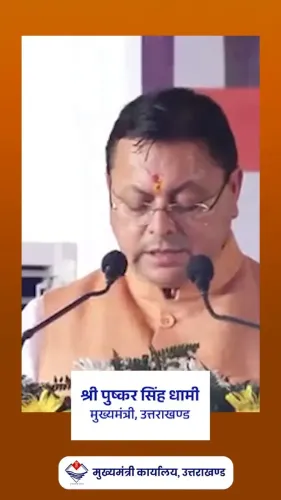
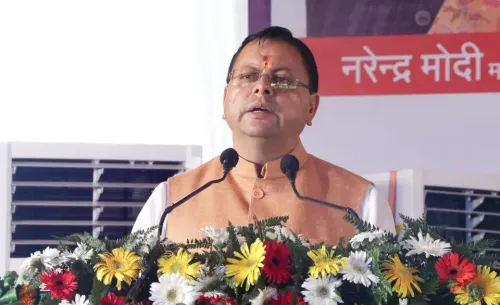
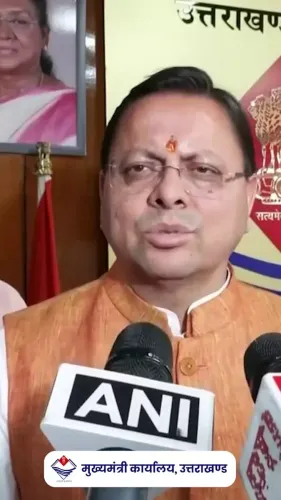
Uttarakhand CM Pushkar Singh Dhami issued a stern warning on 14 June 2026 after a Dehradun incident, vowing exemplary punishment for those with a 'jihadi and violent mindset' who challenge the law and disturb the state's social harmony.
Key Takeaways
CM Pushkar Singh Dhami posted a strong warning on 14 June 2026 following an incident in Dehradun the previous day.
He described the threat as a 'jihadi and violent mindset' targeting the peace of Devbhoomi Uttarakhand .
Dhami promised punishment severe enough to deter anyone from similar acts in the future.
The statement reflects the BJP state government's consistent posture of zero tolerance on perceived communal or extremist threats.
Uttarakhand Police are expected to conduct a full investigation into the 13 June Dehradun incident.
The episode may prompt fresh security directives or legislative discussion in the Uttarakhand assembly .
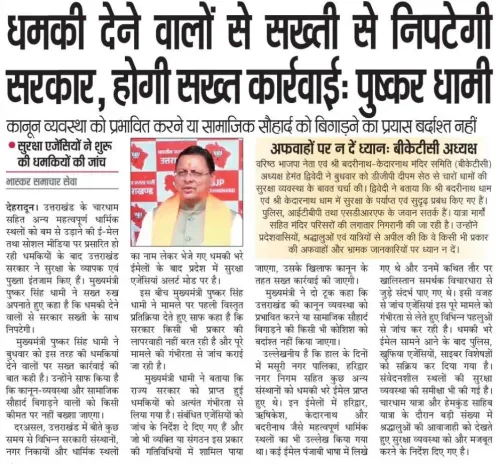
Uttarakhand Chief Minister Pushkar Singh Dhami issued a sharp public warning on Sunday, 14 June 2026, vowing zero tolerance against what he described as a 'jihadi and violent mindset' threatening the peace and social harmony of Dehradun and the state at large. The statement, posted on X, came in direct response to an incident that took place in Dehradun the previous day.
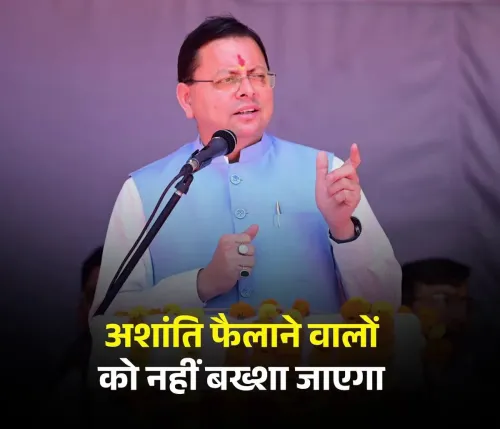
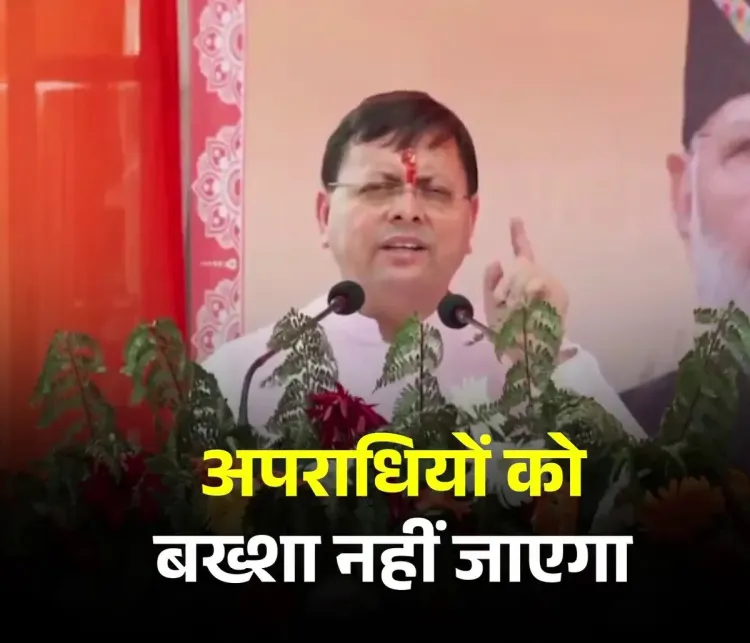
In his post, written in Hindi, CM Dhami stated: 'देवभूमि उत्तराखंड की शांति और सामाजिक सौहार्द को बिगाड़ने की कोशिश करने वाली जिहादी और हिंसक मानसिकता को किसी भी कीमत पर बख्शा नहीं जाएगा' — 'Those with a jihadi and violent mindset who attempt to disturb the peace and social harmony of Devbhoomi Uttarakhand will not be spared at any cost.' He added that those who 'dare to challenge the law' will be punished so severely that no one will consider such an act in the future.
Context
The Chief Minister's statement was triggered by an incident in Dehradun, the state capital, that occurred on 13 June 2026. While the precise details of the incident remain under investigation, Dhami's language — invoking 'devbhoomi' (sacred land) and referencing a 'jihadi mindset' — signals the government's characterisation of the episode as a communal or extremist provocation. The post described the incident as one that merits the 'strongest possible condemnation.'
Policy Backdrop
Uttarakhand has been governed by the BJP since 2017, with the party positioning the hill state as a model for internal security and communal order. The state strengthened its Freedom of Religion Act in 2018, targeting what the government described as forced conversions and threats to social cohesion. CM Dhami, who has served as Chief Minister since 2021, has consistently adopted a firm public posture on law-and-order matters, particularly those framed around the protection of the state's religious and cultural character.
The current statement fits within a broader pattern seen across BJP-governed states, where incidents perceived to have a communal dimension are met with swift, strongly worded public warnings from the executive — often preceding or accompanying police action and legislative proposals.
Stakeholders and Impact
The warning is directed at those accused of involvement in the Dehradun incident, but its public framing is aimed at a broader audience — signalling the state government's posture to residents, law enforcement, and political observers alike. Uttarakhand's residents, particularly in its urban centres such as Dehradun, are the primary stakeholders in any escalation or de-escalation of communal tensions. The state police have been implicitly tasked with delivering on the Chief Minister's promise of exemplary punishment.
Civil society groups and opposition parties are likely to scrutinise both the nature of the incident and the administration's response, particularly the use of the term 'jihadi' in an official communication from the Chief Minister's verified account.
What's Next
Attention will now shift to the Uttarakhand Police investigation into the 13 June Dehradun incident and whether arrests or charges follow swiftly. CM Dhami's explicit promise of deterrent punishment raises the stakes for the administration to demonstrate concrete legal action. Any new security directives or proposals in the Uttarakhand assembly in the coming weeks will be closely watched as a measure of whether this statement translates into policy. The episode also feeds into a wider national conversation about internal security management in sensitive border and hill regions.
Frequently Asked Questions
What happened in Dehradun on 13 June 2026?
An incident occurred in Dehradun on 13 June 2026 that Uttarakhand CM Pushkar Singh Dhami described as an attempt to disturb the state's peace and social harmony. The precise details are under police investigation.
What did CM Dhami say about the Dehradun incident?
CM Dhami said the incident deserves the strongest condemnation and warned that those who challenge the law with a 'jihadi and violent mindset' will be punished so severely that no one will dare repeat such acts.
What is Devbhoomi Uttarakhand?
'Devbhoomi' means 'land of the gods' in Hindi and is a common reference to Uttarakhand, reflecting the state's significance as a site of major Hindu pilgrimage centres including Haridwar, Rishikesh, Kedarnath, and Badrinath.
What action is expected after CM Dhami's warning?
The Uttarakhand Police are expected to investigate the Dehradun incident and make arrests. CM Dhami's statement implies exemplary legal punishment for those found responsible.
What is Uttarakhand's track record on communal law and order?
Uttarakhand has governed under the BJP since 2017 and strengthened its Freedom of Religion Act in 2018. The state government has consistently taken a firm public stance on incidents perceived as threats to communal harmony.