CM Fadnavis Breaks Ground on 3 Pune Elevated Highways
Synopsis
Chief Minister Devendra Fadnavis performed the bhoomipujan for three elevated highways — Pune-Shirur, Hadapsar-Yavat, and Talegaon-Chakan-Shikrapur — on 18 July 2026, targeting chronic congestion on Pune's arterial routes and improving connectivity to the Chakan industrial belt.
Key Takeaways
Chief Minister Devendra Fadnavis laid the foundation for three elevated highways in the Pune region on 18 July 2026 .
The three corridors are Pune-Shirur , Hadapsar-Yavat , and Talegaon-Chakan-Shikrapur .
The projects aim to decongest heavily used arterial routes feeding Pune , one of Maharashtra's largest industrial and IT centres.
The Talegaon-Chakan-Shikrapur corridor directly targets freight movement for the Chakan auto-manufacturing cluster north of Pune.
State-level elevated corridor proposals for Pune date back to discussions held during 2017–2019 .
Land acquisition, environmental clearances, and budget releases remain key milestones to watch.
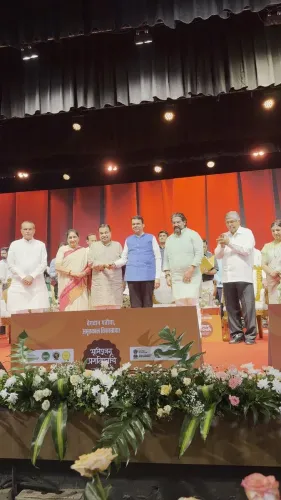
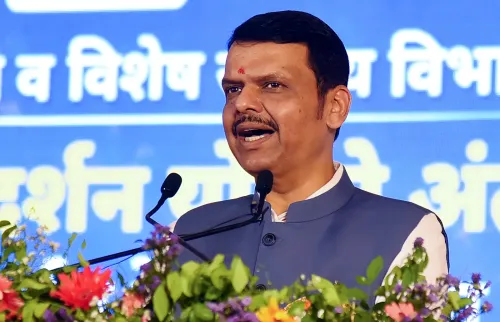
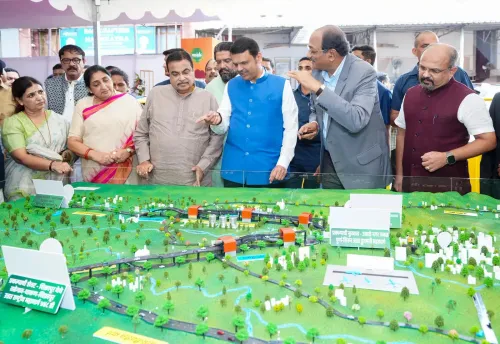
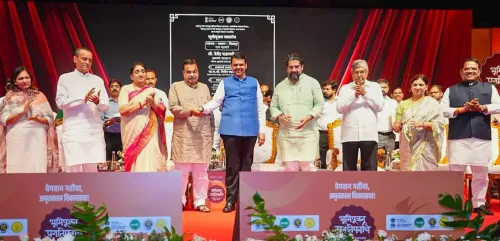
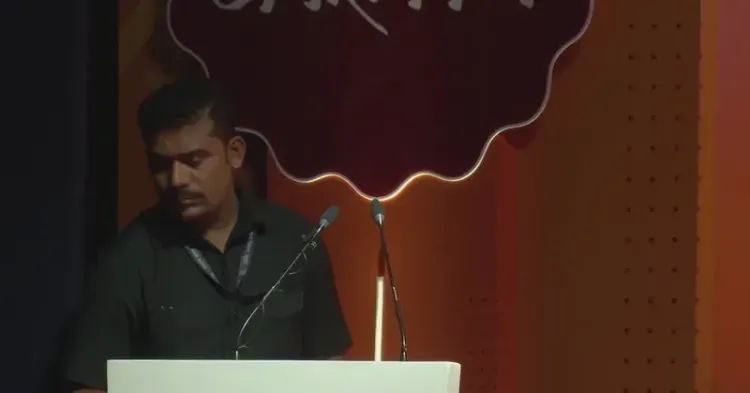
The Chief Minister's Office of Maharashtra announced on Saturday, 18 July 2026 that Chief Minister Devendra Fadnavis performed the groundbreaking ceremony — bhoomipujan (foundation-laying) — for three elevated highways in the Pune region: the Pune-Shirur, Hadapsar-Yavat, and Talegaon-Chakan-Shikrapur corridors.
Context
The official post, shared live from the event, announced: 'मुख्यमंत्री देवेंद्र फडणवीस यांच्या हस्ते पुणे-शिरुर, हडपसर-यवत व तळेगाव-चाकण-शिक्रापूर या उन्नत महामार्गांचे भूमिपूजन' — meaning 'Chief Minister Devendra Fadnavis performs the groundbreaking of the Pune-Shirur, Hadapsar-Yavat and Talegaon-Chakan-Shikrapur elevated highways.' All three are grade-separated corridors designed to ease movement on heavily congested arterial routes feeding Pune.
Pune is one of western Maharashtra's largest industrial and IT hubs, and chronic traffic bottlenecks on its radial routes have long strained daily commutes and freight logistics. Elevated or grade-separated highway projects are seen as a direct intervention to reduce travel time without requiring major land acquisition along existing alignments.
Policy Backdrop
State government proposals for elevated corridors around Pune date to discussions held during 2017–2019, when congestion on national highway alignments such as NH-48 and NH-65 first prompted calls for grade-separated solutions. Maharashtra has since pursued a broader pattern of prioritising such corridors on high-traffic state highways feeding Pune, mirroring similar elevated-road projects executed or announced on the Mumbai-Pune corridor and other Pune radial routes over the past decade.
The Talegaon-Chakan-Shikrapur corridor is particularly significant for the Chakan industrial belt — a dense cluster of automobile and manufacturing units north of Pune — where freight movement has historically been constrained by at-grade intersections and mixed traffic.
Stakeholders and Impact
The primary beneficiaries span a wide cross-section: daily commuters travelling between Pune and satellite towns like Shirur, Yavat, and Shikrapur; logistics operators serving Chakan's auto-manufacturing units; and residents of Hadapsar, one of Pune's fastest-growing eastern corridors. Grade-separated infrastructure typically reduces travel time, lowers accident rates at intersections, and improves last-mile freight efficiency for industrial clusters.
For the state government, the simultaneous groundbreaking of three corridors signals an intent to accelerate Pune's connectivity agenda under Chief Minister Fadnavis, who has previously championed multiple state highway and expressway initiatives during his tenures in office.
What's Next
Key milestones to watch include land acquisition progress, environmental clearances, and budget allocations for all three corridors — likely to feature in forthcoming Public Works Department tender schedules or the next state budget cycle. The pace of clearances and contractor appointments will determine whether these projects move from groundbreaking to construction within the near term.
With Pune's urban sprawl continuing to push outward toward Shirur, Yavat, and the Chakan-Shikrapur belt, the completion of these elevated corridors could reshape commute patterns and industrial logistics across eastern and northern Pune for years to come.
Point of View
In particular, ties road investment to Maharashtra's industrial competitiveness — a recurring theme in the state's efforts to retain automobile and manufacturing investment. How quickly these projects clear land acquisition and environmental hurdles will be the real test of intent behind today's ceremony.
NationPress
18 Jul 2026
Frequently Asked Questions
What elevated highways were inaugurated by CM Fadnavis in Pune?
CM Devendra Fadnavis performed the groundbreaking — not inauguration — for three elevated highways: Pune-Shirur, Hadapsar-Yavat, and Talegaon-Chakan-Shikrapur on 18 July 2026.
Why is the Talegaon-Chakan-Shikrapur elevated highway important?
The Talegaon-Chakan-Shikrapur corridor is critical for the Chakan industrial belt, a major automobile and manufacturing cluster north of Pune, where freight movement is constrained by at-grade intersections and mixed traffic.
When did Maharashtra first propose elevated highways around Pune?
State government proposals for elevated corridors around Pune were first publicly discussed during 2017–2019 to address congestion on national highway alignments such as NH-48 and NH-65.
What is bhoomipujan?
Bhoomipujan is a traditional foundation-laying or groundbreaking ceremony in India, typically performed by a senior official or dignitary to mark the formal start of a construction project.
What are the next steps for the Pune elevated highway projects?
Key next steps include land acquisition, environmental clearances, and budget allocations, which are expected to feature in forthcoming Public Works Department tender schedules or the next Maharashtra state budget.