CM Himanta: 9 in 10 Assam Births Now Attended by Skilled Staff
Synopsis
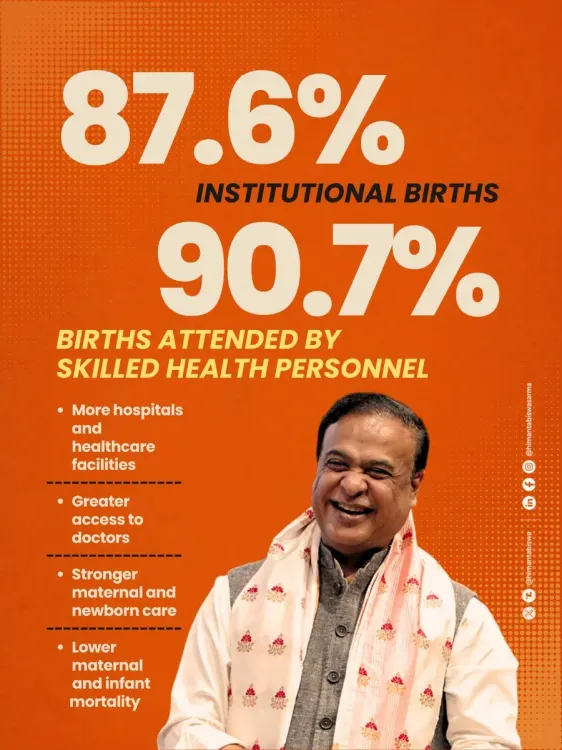
Assam CM Himanta Biswa Sarma announced on 1 June 2026 that nearly 9 in 10 births in the state are now attended by skilled health personnel and 87.6% occur in healthcare institutions, citing growing public trust and progress in maternal and child care.
Key Takeaways
Assam CM Himanta Biswa Sarma announced on 1 June 2026 that nearly 9 in 10 births in the state are attended by skilled health personnel.
87.6% of all deliveries in Assam now take place in healthcare institutions, up from significantly lower historical baselines.
The gains are underpinned by central schemes including the National Health Mission and Janani Suraksha Yojana , alongside state-level facility upgrades.
ASHA workers have played a frontline role in motivating families, especially in rural and tribal areas, to opt for institutional births.
India's national institutional delivery rate crossed 80% in NFHS-5 ; Assam's reported figure now matches or exceeds that benchmark.
Independent verification is expected when NFHS-6 state factsheets are released, which will provide a data cross-check on the claimed progress.
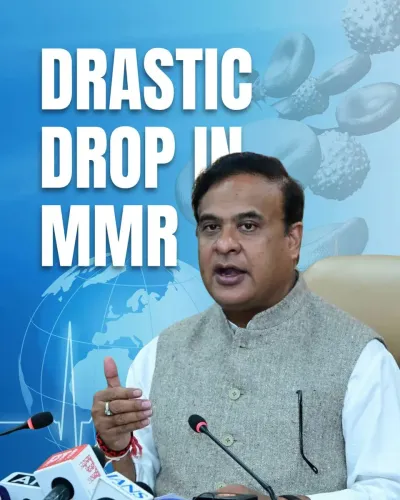
Assam Chief Minister Himanta Biswa Sarma on Monday, 1 June 2026, highlighted a significant milestone in the state's maternal and child health journey, stating that nearly 9 out of every 10 births in Assam are now attended by skilled health personnel, with 87.6% of all deliveries taking place in healthcare institutions.
Context
In his post, CM Sarma described the figures as 'a sign of growing trust in our healthcare system and continued progress in maternal and child care.' The numbers mark a notable shift for Assam, a state that has historically grappled with higher-than-average maternal mortality rates and a significant proportion of home births, particularly in its rural and tea-garden belt communities.
Institutional delivery rates in India have climbed steadily over the past two decades, rising from roughly 40% recorded in the third National Family Health Survey to above 80% nationally in the fifth edition. Assam's reported metrics place it ahead of or at par with the national average, reflecting a measurable narrowing of the gap that once separated northeastern states from the rest of the country.
Policy Backdrop
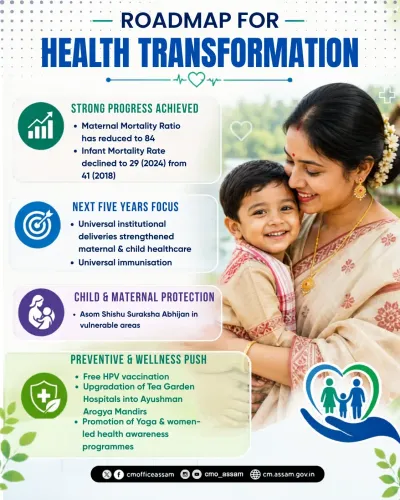
The gains are rooted in a layered set of central and state-level interventions. The National Rural Health Mission, launched in 2005, upgraded rural health infrastructure and incentivised skilled birth attendance across high-focus states, including Assam. The Janani Suraksha Yojana, a conditional cash-transfer scheme introduced the same year, directly targeted home births by offering financial support to women who delivered in accredited public or private facilities.
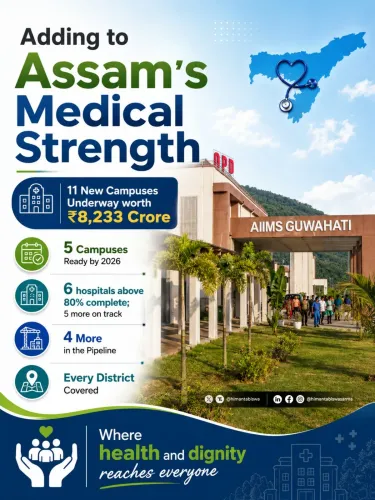
The broader National Health Mission, which subsumed these programmes after 2013, continued to fund ASHA (Accredited Social Health Activist) workers — the frontline link between households and facilities — alongside facility strengthening across Assam's districts. Mission Indradhanush, initiated in 2014, further accelerated immunisation and maternal care coverage in underserved districts of the Northeast. Post-2021, the Sarma government has publicly prioritised health infrastructure upgrades as part of its broader development agenda for the state.
Stakeholders and Impact
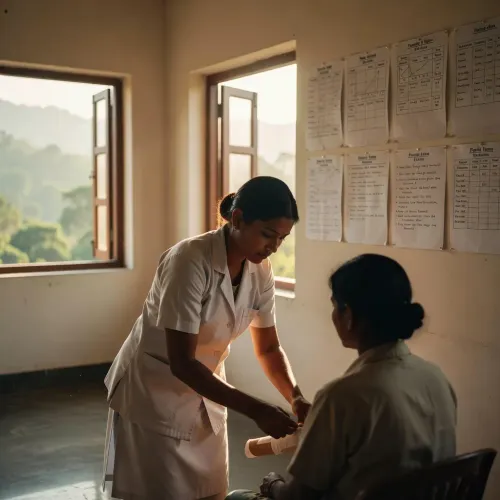
The most direct beneficiaries of this trend are Assam's pregnant women and newborns, for whom institutional delivery substantially reduces the risk of complications from haemorrhage, infection, and birth asphyxia. ASHA workers, numbering in the tens of thousands across the state, have been central to motivating families — especially in remote and tribal areas — to seek facility-based care rather than relying on traditional birth attendants.
Higher institutional delivery rates are also a proxy indicator for broader health-system trust. When families choose government or accredited private facilities for births, they are more likely to access post-natal care, newborn immunisation, and nutrition counselling — creating a compounding effect on child health outcomes aligned with India's commitments under the Sustainable Development Goals.
What's Next
The release of NFHS-6 state factsheets will provide an independently verified benchmark against which Assam's claimed progress can be assessed. Analysts will also watch the state's health budget allocations for 2026-27, particularly outlays directed at maternal care infrastructure, to gauge whether the institutional momentum behind these numbers is being sustained. For CM Sarma, the figures serve as a political and administrative signal that the state's health investments are yielding measurable outcomes ahead of the next electoral cycle.
Point of View
SDG-linked metric that connects grassroots scheme delivery to visible human outcomes. The figures also implicitly credit the BJP-led state government's post-2021 health investments, even though the trend lines were set in motion by central programmes predating its tenure. Until NFHS-6 data provides independent corroboration, the specific 87.6% figure remains a government-reported claim, and the durability of these gains will depend on sustained budget commitments to rural health infrastructure in Assam.
NationPress
19 Sept 2026
Frequently Asked Questions
What percentage of births in Assam now take place in hospitals?
According to Assam Chief Minister Himanta Biswa Sarma, 87.6% of births in Assam now take place in healthcare institutions, with nearly 9 in 10 deliveries attended by skilled health personnel.
What is the Janani Suraksha Yojana and how has it helped Assam?
The Janani Suraksha Yojana is a conditional cash-transfer scheme launched in 2005 under the National Rural Health Mission. It incentivises women, particularly in high-focus states like Assam , to deliver in accredited health facilities rather than at home, directly contributing to the rise in institutional birth rates.
What is the national average for institutional deliveries in India?
India's national institutional delivery rate crossed 80% as recorded in the fifth National Family Health Survey (NFHS-5). Assam's reported figure of 87.6% places it at or above this national benchmark.
What role do ASHA workers play in maternal health in Assam?
ASHA (Accredited Social Health Activist) workers are frontline community health volunteers funded under the National Health Mission . In Assam , they are instrumental in counselling pregnant women, facilitating transport to facilities, and following up on post-natal care, especially in remote and tribal communities.
When will independent data verify Assam's institutional delivery claims?
Independent verification is expected with the release of NFHS-6 state factsheets, which will provide a nationally comparable, survey-based benchmark to cross-check the government-reported figures for Assam .