CM Rio Meets Union Minister Sonowal on Nagaland Waterways
Synopsis
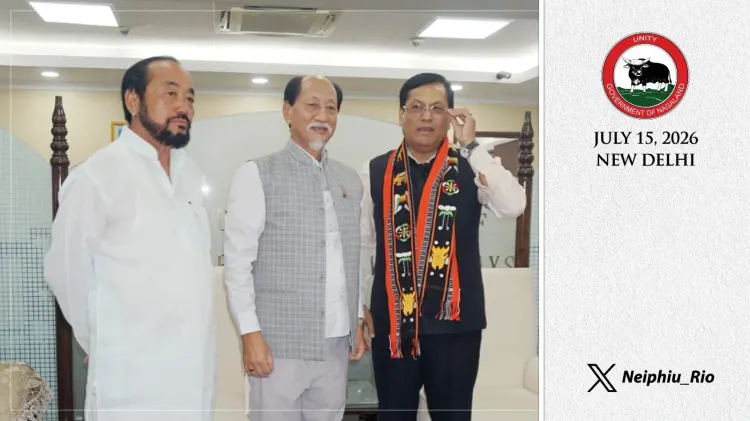
Nagaland Chief Minister Neiphiu Rio and Deputy CM Yanthungo Patton called on Union Minister Sarbananda Sonowal on 15 July 2026 to discuss developing inland waterways and improving economic connectivity for the landlocked Northeastern state, aligning with the National Waterways Act and the Act East Policy.
Key Takeaways
CM Neiphiu Rio and Deputy CM Yanthungo Patton met Union Minister Sarbananda Sonowal on 15 July 2026 in New Delhi .
Discussions covered inland waterway development, connectivity improvement, and new economic avenues for Nagaland .
Nagaland is a landlocked state with limited road and rail links, making waterway access a significant infrastructure gap.
The meeting aligns with the National Waterways Act, 2016 , which designated 111 river stretches as national waterways.
The Act East Policy since 2014 has prioritised multimodal connectivity for Northeastern states toward Southeast Asia .
Concrete project proposals, if any, would require feasibility studies and potential inclusion in future national waterway plans.
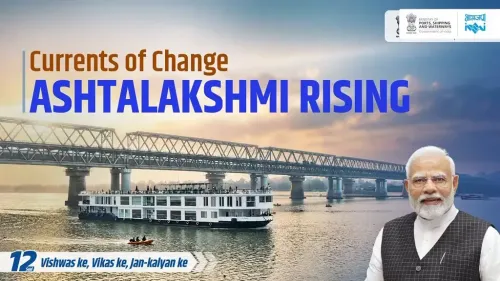
Nagaland Chief Minister Neiphiu Rio called on Union Minister for Ports, Shipping and Waterways Sarbananda Sonowal on Wednesday, 15 July 2026, accompanied by Deputy Chief Minister Yanthungo Patton, to explore inland waterway development and connectivity options for the landlocked Northeastern state.
Context
The meeting brought together senior leadership from Nagaland and the Ministry of Ports, Shipping and Waterways to discuss what CM Rio described as 'avenues to develop inland waterways, improve connectivity, and create new avenues for economic development in Nagaland.' Nagaland borders Myanmar and has historically depended on road links — among the most constrained in the Northeast — for the movement of goods and people.
The presence of Deputy Chief Minister Patton alongside CM Rio signals that the state government is treating waterway connectivity as a priority at the highest executive level, not merely a departmental discussion.
Policy Backdrop
The meeting fits within two long-running national frameworks. The National Waterways Act, 2016 designated 111 rivers and stretches across India as national waterways, opening the door for inland water transport development in regions previously overlooked. The Act East Policy, pursued since 2014, has made multimodal connectivity — road, rail, air, and water — a strategic priority for Northeastern states, with an eye toward integrating them with Southeast Asian trade corridors.
Minister Sonowal, who served as Chief Minister of Assam before taking charge of the ports and waterways portfolio, brings direct experience of the Brahmaputra river economy and Northeast logistics challenges to such discussions. Central and state governments have increasingly promoted inland waterways as a lower-cost, lower-emission alternative to road freight in the region.
Stakeholders and Impact
For Nagaland's residents and traders, improved waterway connectivity could reduce dependence on mountain roads that are frequently disrupted by landslides and seasonal flooding. Inland water links, if developed along feasible river stretches, could lower logistics costs and open new supply chains for agricultural produce and manufactured goods moving in and out of the state.
Broader beneficiaries include Northeast regional traders who rely on integrated transport networks, as well as communities along any river corridors that could see infrastructure investment, employment, and improved access to markets.
What's Next
The immediate outcome of the meeting was a structured discussion rather than an announced project; any concrete proposals would need to clear feasibility assessments and potential inclusion in National Waterways development plans. Follow-up steps could surface in upcoming Union Budget allocations for the Northeast or in connectivity reviews under the Act East Policy.
The meeting sets the stage for Nagaland to formally seek inclusion of its river stretches in future waterway planning cycles — a move that, if realised, would mark a significant shift in how the state is connected to regional and national logistics networks.
Point of View
Where Northeastern chief ministers use ministerial access to position their states for upcoming infrastructure allocations. For Nagaland — historically the most road-dependent and geographically isolated of the Northeast states — even a preliminary waterway discussion represents a meaningful expansion of the connectivity agenda. The inclusion of Deputy CM Patton suggests the state is building a bipartisan, multi-level case for federal investment rather than treating this as a routine courtesy call. Whether the meeting translates into a feasibility study or a budget line will be the real test of its significance.
NationPress
15 Jul 2026
Frequently Asked Questions
Why is Nagaland seeking inland waterway development?
Nagaland is a landlocked state with limited road and rail infrastructure, making it heavily reliant on mountain roads prone to landslides. Inland waterways could provide a lower-cost, more reliable alternative for moving goods and people.
What did CM Rio discuss with Union Minister Sonowal?
CM Neiphiu Rio and Deputy CM Yanthungo Patton discussed developing inland waterways, improving connectivity, and creating new economic development opportunities for Nagaland during their meeting on 15 July 2026.
What is the National Waterways Act, 2016?
The National Waterways Act, 2016 declared 111 rivers and river stretches across India as national waterways, enabling the central government to develop inland water transport infrastructure in states including those in the Northeast.
What is the Act East Policy and how does it relate to Nagaland?
The Act East Policy, pursued since 2014, prioritises multimodal connectivity — road, rail, air, and water — for Northeastern states to integrate them with Southeast Asian trade corridors. Nagaland's waterway discussions fall within this broader strategic framework.
Who is Sarbananda Sonowal?
Sarbananda Sonowal is the Union Minister for Ports, Shipping and Waterways. He previously served as Chief Minister of Assam and has direct experience with Northeast India's river transport and logistics landscape.