CM Sai Hails Bastar Delegation's Honour at Rashtrapati Bhavan
Synopsis
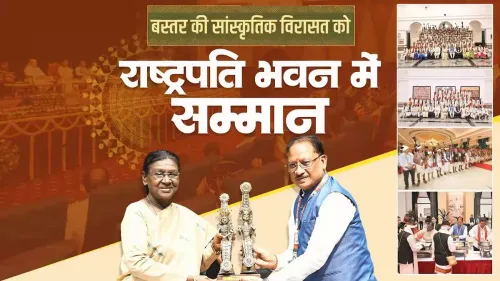
Chhattisgarh CM Vishnu Deo Sai marked the recognition of a Bastar tribal delegation at Rashtrapati Bhavan as a symbol of national honour for the state's indigenous communities and their centuries-old cultural heritage.
Key Takeaways
CM Vishnu Deo Sai posted on 31 July 2026 celebrating a Bastar delegation's recognition at Rashtrapati Bhavan .
He described the honour as national-level recognition of tribal heritage, traditions, and identity.
Chhattisgarh has over 30 percent Scheduled Tribe population, one of India's highest.
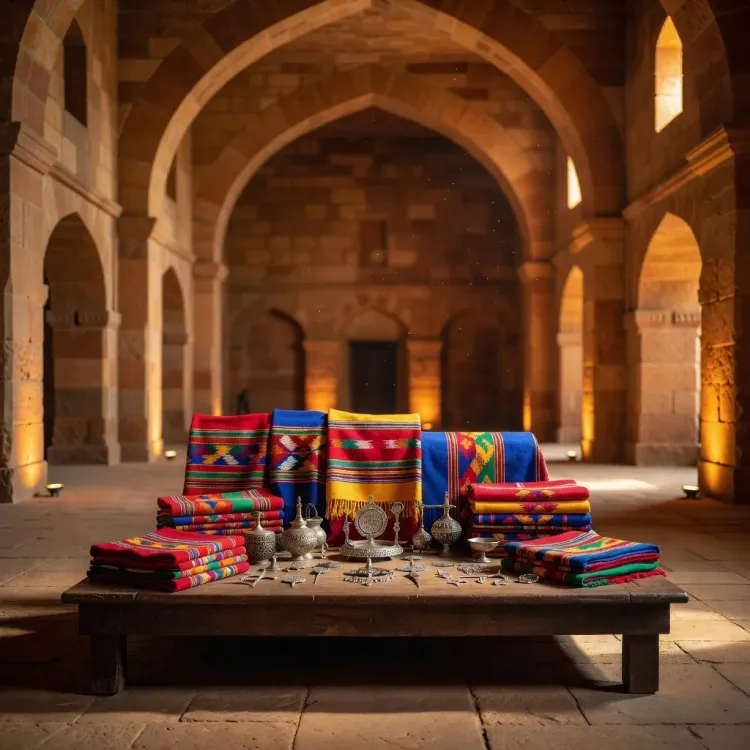
Bastar is home to communities including the Gond and Muria , known for art forms such as Dhokra metalcraft and Gond painting.
Tribal delegations at Rashtrapati Bhavan reflect constitutional protections under the Fifth Schedule for indigenous heritage.
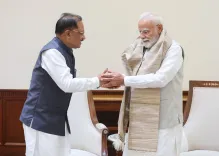
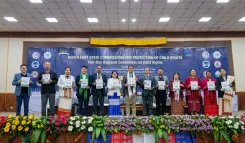
A tribal delegation from one of India's most culturally rich regions walked the halls of Rashtrapati Bhavan — and Chhattisgarh Chief Minister Vishnu Deo Sai wants the nation to take note. On Friday, 31 July 2026, the Chief Minister took to X to celebrate the recognition extended to a Bastar delegation at the President's official residence, calling it a moment of pride for the state.
In his post, CM Sai wrote: 'बस्तर की समृद्ध जनजातीय संस्कृति आज पूरे देश में अपनी विशिष्ट पहचान बना रही है' — 'Bastar's rich tribal culture is today carving out a distinct identity across the entire country.' He described the honour bestowed at Rashtrapati Bhavan as a symbol of national-level recognition for the tribal community's cultural heritage, traditions, and identity.
Bastar's tribal world steps into the national spotlight
Bastar, the sprawling southern region of Chhattisgarh, is home to communities including the Gond and Muria — peoples whose art, ritual, and oral traditions stretch back centuries. Chhattisgarh, carved out of Madhya Pradesh in 2000, carries one of India's highest tribal concentrations: over 30 percent of its population belongs to Scheduled Tribes. That demographic weight has long shaped the state's cultural and political identity. A visit to Rashtrapati Bhavan is not routine. States with large tribal populations periodically send regional cultural delegations to the President's residence as part of a broader national effort to honour India's diversity — an effort rooted in constitutional protections under the Fifth Schedule, which specifically safeguards tribal heritage and land rights. For a Bastar delegation to receive recognition there carries symbolic weight that resonates well beyond Raipur.Why CM Sai's framing matters
The Chief Minister did not frame this as a government achievement. He framed it as the tribal community's own — their heritage, their traditions, their identity earning a national stage. That distinction is deliberate. BJP-led governments in tribal-majority states have increasingly sought to position themselves as custodians of indigenous culture, and a high-visibility moment at Rashtrapati Bhavan fits squarely into that narrative. For Bastar's communities, the recognition — whatever its precise form — lands at a time when the region's cultural output, from Dhokra metalcraft to Gond painting, is finding audiences well beyond Chhattisgarh's borders. The Chief Minister's post signals that the state intends to keep that momentum going. The question now is whether this Rashtrapati Bhavan moment translates into concrete follow-through — state-level cultural festivals, central government grants for tribal art institutions, or a larger platform for Bastar's artisans. Symbolic recognition is a start. What comes next will determine whether it is also a turning point.Point of View
He positions the party as a cultural ally rather than an administrator. The Rashtrapati Bhavan setting lends constitutional gravitas to what might otherwise read as a routine cultural event. The real test will be whether this symbolic moment is followed by measurable investment in Bastar's artisans and cultural institutions.
NationPress
31 Jul 2026
Frequently Asked Questions
Why did a Bastar delegation visit Rashtrapati Bhavan?
States with significant tribal populations periodically send cultural delegations to Rashtrapati Bhavan as part of national efforts to recognise India's indigenous diversity. The specific occasion for this Bastar delegation has not been officially detailed beyond CM Sai's post.
Who are the tribal communities of Bastar in Chhattisgarh?
Bastar in southern Chhattisgarh is home to several tribal communities, most notably the Gond and Muria , known for traditions including Dhokra metalcraft, Gond painting, and distinctive ritual practices.
What percentage of Chhattisgarh's population is tribal?
Over 30 percent of Chhattisgarh's population belongs to Scheduled Tribes, making it one of the states with the highest indigenous population share in India.
What is the Fifth Schedule of the Indian Constitution?
The Fifth Schedule of the Indian Constitution contains special provisions for the administration and control of Scheduled Areas and Scheduled Tribes, aimed at protecting their land rights, heritage, and identity.
What is Vishnu Deo Sai's role in Chhattisgarh?
Vishnu Deo Sai is the Chief Minister of Chhattisgarh and a senior BJP leader. He is himself from a tribal community, which shapes his political emphasis on indigenous cultural recognition.