CM Sai's Chhattisgarh: Books Replace Guns in Bastar
Synopsis
The Chhattisgarh CMO on 10 July 2026 declared that fear and guns in Bastar have given way to books and dreams, positioning education access as the cornerstone of CM Vishnu Deo Sai's good-governance agenda for the state's long-conflict-affected tribal heartland.
Key Takeaways
The Chhattisgarh CMO posted on 10 July 2026 that Bastar 's identity is shifting from armed conflict to education and aspiration.
Chief Minister Vishnu Deo Sai , in office since December 2023 , has made tribal welfare and development in former conflict zones a stated priority.
Bastar has been one of India's most Naxal-affected regions for decades, with tribal communities bearing the brunt of insurgency and restricted services.
The central government's multi-pronged LWE policy since 2014 combines security with education investment, including Eklavya Model Residential Schools .
The administration's narrative frames education access as addressing the root causes of tribal alienation that fuelled extremism.
Actual outcomes will hinge on enrollment drives, new school rollouts, and state budget allocations for education infrastructure in Bastar .
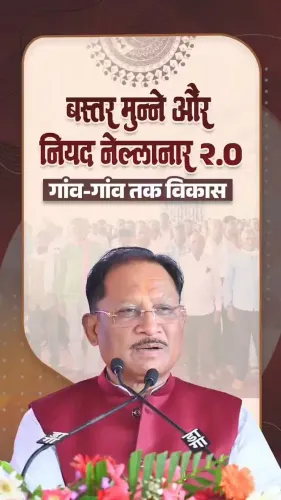
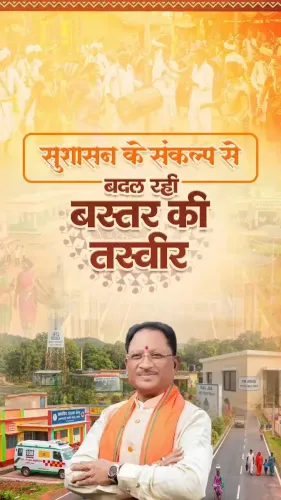
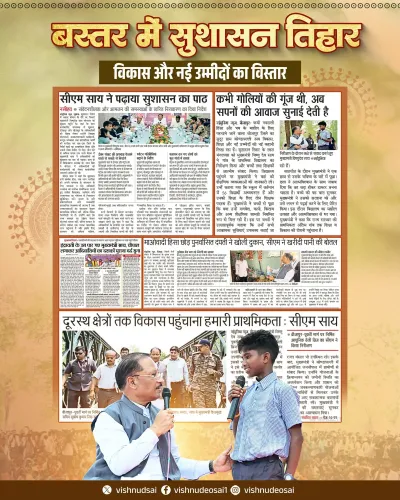
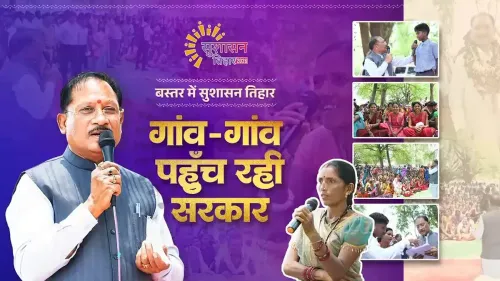
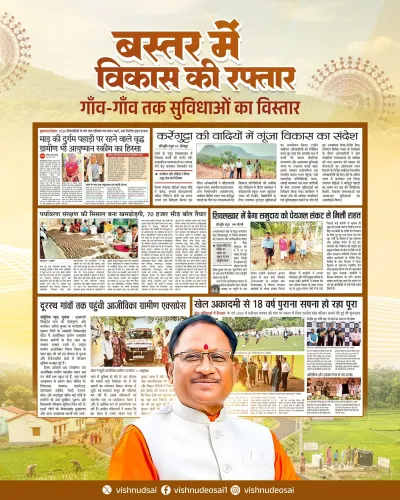
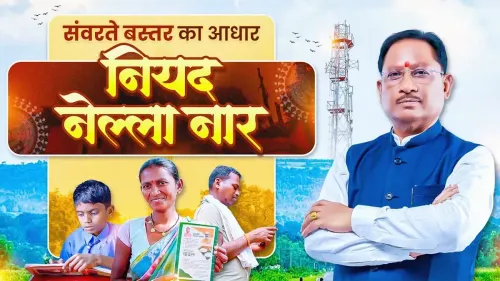
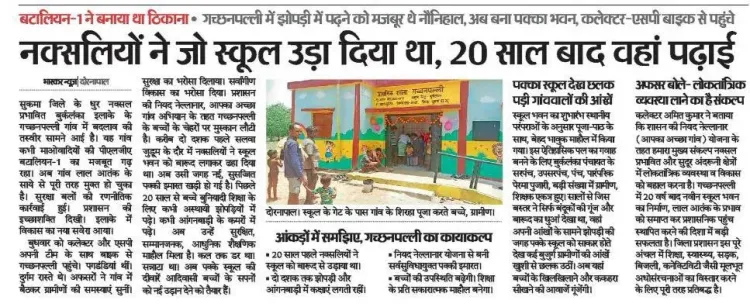
The Chief Minister's Office of Chhattisgarh on Friday, 10 July 2026 shared a message highlighting the transformation of Bastar — once synonymous with Left Wing Extremism and armed conflict — into a region where education and aspiration are now taking centre stage under the Vishnu Deo Sai government.
The post, written in Hindi, declared: 'Dar aur bandook ki jagah, ab kitaabon aur sapnon ne le li hai' ('Fear and guns have now been replaced by books and dreams'), framing this shift as the defining achievement of what the office calls 'Sushasan' — good governance — under Chief Minister Sai.
Context
Bastar, a forested division in southern Chhattisgarh, has for decades been one of India's most conflict-affected regions, with Naxalite groups exerting influence over vast stretches of tribal hinterland. Security operations, displacement, and restricted access to basic services long defined daily life for its predominantly tribal population. The CMO's post signals a deliberate effort to reframe the region's public identity — from a theatre of insurgency to one of educational opportunity. Chief Minister Vishnu Deo Sai, who assumed office in December 2023 after the Bharatiya Janata Party returned to power in Chhattisgarh, is himself from a tribal community and has made tribal welfare and development in former conflict zones a stated priority of his administration.Policy Backdrop
The emphasis on education as an instrument of lasting peace in Left Wing Extremism-affected districts is not new. Since 2014, the central government's multi-pronged LWE policy has combined security operations with investments in schools, roads, and connectivity. Nationally, Eklavya Model Residential Schools have been a flagship vehicle for bringing quality residential education to tribal children in remote and conflict-prone areas. In Chhattisgarh specifically, the earlier Raman Singh-led BJP government (2003–2018) had already begun expanding residential schooling and police infrastructure in Bastar to reduce the pool of youth susceptible to insurgent recruitment. The current Sai administration is positioning itself as deepening and accelerating that trajectory, with the stated philosophy that development — particularly access to education — addresses the root causes of alienation among tribal communities.Stakeholders and Impact
The primary beneficiaries of this policy pivot are Bastar's tribal students and youth, who have historically faced barriers ranging from poor school infrastructure to active disruption of educational access by armed groups. Families in interior villages, long caught between security forces and Naxalite cadres, stand to gain the most if sustained investment in schools and skill programmes reaches the most remote blocks. Broader civil society — including teachers, local administrators, and community leaders — are central to translating government messaging into ground-level outcomes. The CMO's use of social media to amplify this narrative also signals an intent to shape the perception of Bastar nationally, attracting potential investors, educators, and development organisations to the region.What's Next
Attention will now turn to the rollout of new residential schools and enrollment drives across Bastar's blocks, as well as state budget allocations for education infrastructure in the 2025–26 fiscal cycle. Whether the rhetorical shift from 'guns to books' is matched by measurable improvements in enrollment rates, school retention, and learning outcomes will determine how durable this governance narrative proves to be. For tribal communities in Bastar, the test of Sushasan will ultimately be written not in posts, but in classrooms.Point of View
The Sai administration is staking its political identity on a measurable but long-horizon promise: that education can deliver what security operations alone could not. This mirrors a broader national BJP playbook of pairing kinetic anti-extremism measures with visible social-sector investments in tribal belts, particularly ahead of electoral cycles. The durability of this narrative will depend on whether enrollment and retention data in Bastar's interior blocks corroborate the rhetorical shift.
NationPress
10 Jul 2026
Frequently Asked Questions
What did the Chhattisgarh CMO post about Bastar on 10 July 2026?
The Chhattisgarh CMO posted that fear and guns in Bastar have been replaced by books and dreams, crediting CM Vishnu Deo Sai's good-governance approach for the transformation.
Who is Vishnu Deo Sai and why is Bastar significant to his government?
Vishnu Deo Sai is the Chief Minister of Chhattisgarh since December 2023 and a BJP leader from a tribal community. Bastar is significant because it is a long-conflict-affected tribal region where his government has prioritised education and development over purely security-based approaches.
What is the history of Naxalism in Bastar, Chhattisgarh?
Bastar in southern Chhattisgarh has been one of India's most Naxal-affected regions for decades, with Left Wing Extremist groups exerting control over large tribal areas, disrupting governance, education, and daily life for local communities.
What are Eklavya Model Residential Schools and how do they relate to Bastar?
Eklavya Model Residential Schools are a central government initiative to provide quality residential education to tribal children in remote and conflict-prone areas. They are part of the broader LWE policy that combines security operations with education investment in districts like those in Bastar.
What should we watch for next regarding education in Bastar?
Key developments to watch include the rollout of new residential schools, enrollment drives in Bastar's interior blocks, and state budget allocations for education infrastructure in the 2025-26 fiscal year under the Sai government.