CM Sukhu invokes PIT-NDPS Act in war on 'chitta' in HP

Synopsis
Himachal Pradesh CM Sukhvinder Singh Sukhu declared on 12 November 2026 that his Congress government invoked the PIT-NDPS Act to combat the 'chitta' drug crisis, blaming the previous BJP administration for failing to act as families were torn apart.
Key Takeaways
CM Sukhvinder Singh Sukhu posted on 12 November 2026 about his government's use of the PIT-NDPS Act to fight drug trafficking in Himachal Pradesh.
Sukhu blamed the previous BJP government for allowing 'chitta' (a synthetic drug) to spread 'village to village, home to home' without invoking the available central law.
The Prevention of Illicit Traffic in Narcotic Drugs and Psychotropic Substances Act, 1988 allows detention of suspected drug traffickers for up to one year without standard bail provisions.
The Congress government took power in December 2022 ; Sukhu says enforcement action began immediately after mothers arrived appealing for help.
His stated twin goals are protecting youth and making Himachal Pradesh ' chitta-mukt ' (free of chitta).
Specific enforcement outcomes and programme data are expected to emerge in upcoming Himachal Pradesh assembly sessions .
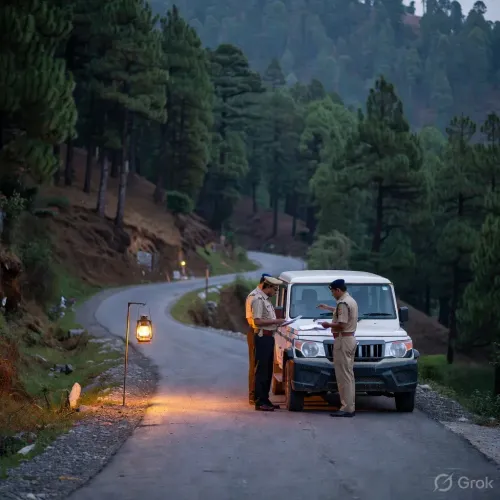
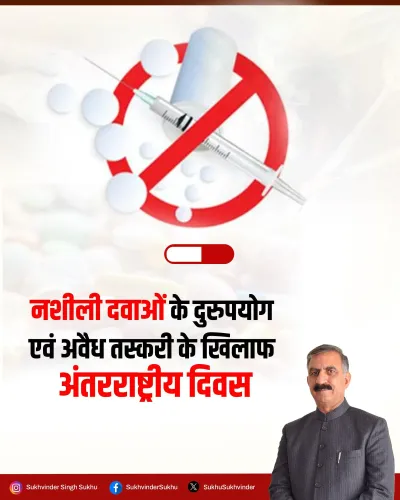
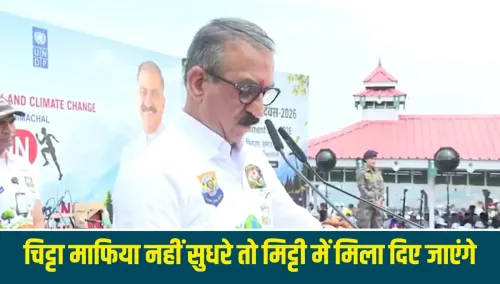
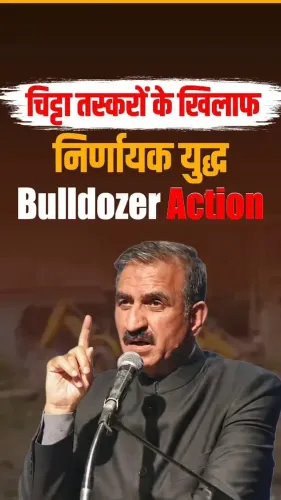
Mothers wept at his door, pleading for their children's lives — and Himachal Pradesh Chief Minister Sukhvinder Singh Sukhu says that image drives his government's fight against the drug crisis gripping the state. On 12 November 2026, the Congress leader took to X to declare that his administration had moved without delay to invoke the PIT-NDPS Act, targeting the synthetic drug 'chitta' that he says had devastated families across Himachal Pradesh under the previous BJP government.
In his post, Sukhu wrote: 'Chitta ke kaaran anek parivaar ujad chuke the' ('Because of chitta, countless families had been shattered'), adding that the then-government had refused to enforce the Prevention of Illicit Traffic in Narcotic Drugs and Psychotropic Substances Act despite the scale of the crisis. 'When our government came, mothers came to us weeping, pleading to save their children from addiction,' he stated. 'We made it our resolve to free Himachal from chitta and shape a future for its youth.'
What the PIT-NDPS Act actually allows
The Prevention of Illicit Traffic in Narcotic Drugs and Psychotropic Substances Act, 1988, is a central Indian law that empowers authorities to detain suspected drug traffickers without bail for extended periods — up to one year — bypassing standard bail provisions under the criminal procedure code. It is widely regarded as one of the more muscular tools in a state's anti-narcotics arsenal, specifically because it targets the supply chain rather than only end-users. The companion statute, the Narcotic Drugs and Psychotropic Substances Act of 1985, regulates and controls the substances themselves.
Invoking the PIT-NDPS Act requires coordination between state police and central enforcement agencies, and state governments have historically been reluctant to use it, citing procedural complexity. Sukhu's message signals that his administration is pushing that reluctance aside — at least rhetorically — in response to community pressure.
Chitta's reach in the hills — and the politics around it
Himachal Pradesh, a northern Himalayan state, has seen 'chitta' — a form of heroin or white powder drug — become a defining social concern, particularly among rural youth in districts closer to border and transit routes. Drug abuse in hill states has become a recurring political battleground, with both Congress and the Bharatiya Janata Party trading accusations over who allowed the crisis to worsen and who is doing more to combat it.
Sukhu's Congress government came to power in December 2022, ending a BJP term. His post on Thursday places the blame for the spread of 'chitta' squarely on that previous administration, citing a failure to deploy available legal tools — a charge the BJP has consistently denied in public discourse. These competing claims are a fixture of Himachal's political debate, and neither side's specific figures have been independently settled.
From rural doorsteps to state policy
The emotional centrepiece of Sukhu's post — mothers arriving in tears at the seat of government — is a deliberate appeal to the lived reality of Himachal's affected communities. It frames enforcement not as a law-and-order exercise but as a social compact with grieving families. His government has pledged awareness programmes alongside enforcement, targeting rural areas where the drug's reach is described as going 'village to village, home to home.'
What happens next will be measured in enforcement data: arrests under PIT-NDPS, seizure volumes, and the reach of any state-run de-addiction or awareness drives. Those numbers, expected to surface in upcoming assembly sessions, will test whether this week's declaration translates into verifiable outcomes on the ground.
For now, the Chief Minister has drawn his line clearly — Himachal Pradesh, in his telling, is in a race to reclaim its youth before the drug does.
Point of View
He simultaneously claims credit for action and assigns blame for the underlying crisis. The invocation of the PIT-NDPS Act — a 1988 central law that many state governments have found politically and procedurally inconvenient to use — is a signal that the Congress dispensation wants to be seen as more aggressive on supply-side enforcement. However, the broader pattern across Indian states shows that announcements of stricter enforcement rarely move public opinion without verifiable data on seizures, arrests, and conviction rates. The real political test will come when assembly sessions demand those numbers.
NationPress
12 Nov 2026
Frequently Asked Questions
What is the PIT-NDPS Act and why does it matter?
The Prevention of Illicit Traffic in Narcotic Drugs and Psychotropic Substances Act, 1988, is a central Indian law that allows authorities to detain suspected drug traffickers for up to one year without the standard bail provisions of the criminal procedure code, making it a powerful tool against drug supply chains.
What is 'chitta' and why is it a concern in Himachal Pradesh?
'Chitta' is a colloquial term for a white heroin-based powder drug that has become prevalent among youth in Himachal Pradesh, particularly in rural and hilly areas. It has been linked to severe addiction and family breakdown across the state.
What did CM Sukhu say about the previous BJP government and drugs?
CM Sukhu accused the previous BJP government of failing to enforce the PIT-NDPS Act even as 'chitta' spread village to village and devastated families. He claimed his Congress government acted without delay after coming to power in December 2022.
When did Sukhvinder Singh Sukhu become Himachal Pradesh Chief Minister?
Sukhvinder Singh Sukhu took office as Chief Minister of Himachal Pradesh in December 2022, after the Indian National Congress won the state assembly elections.
What actions has the Sukhu government taken against drug abuse in Himachal Pradesh?
According to CM Sukhu, his government invoked the PIT-NDPS Act and launched awareness and protection programmes for youth. Specific enforcement data, including seizures and arrests under the Act, are expected to be detailed in upcoming state assembly sessions.