CM Yogi Backs ₹23,731 Cr GOBARdhan Cabinet Nod
Synopsis
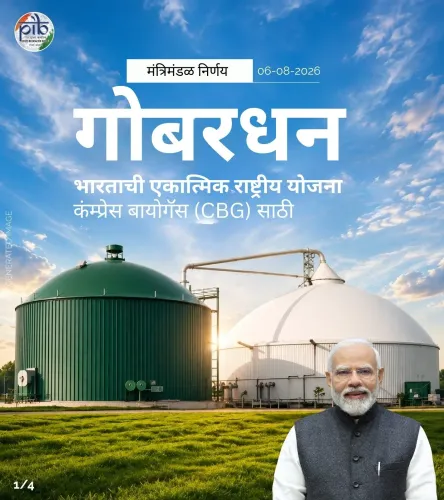
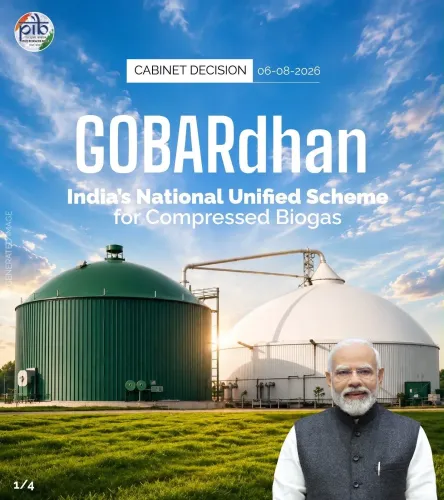
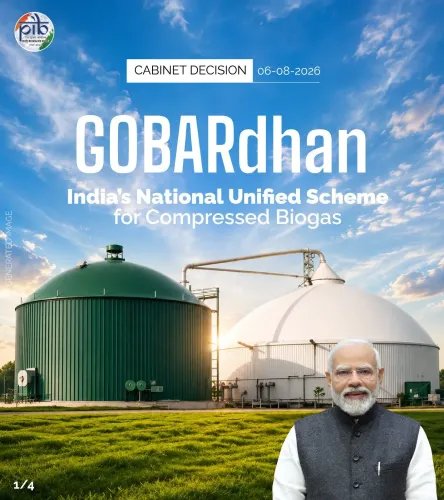
The Union Cabinet approved ₹23,731 crore for the GOBARdhan scheme on 6 August 2026, scaling India's cattle-dung-to-biogas programme. CM Yogi Adityanath hailed the decision as a historic step for Atmanirbhar Bharat, farmer income, rural entrepreneurship, and national energy security.
Key Takeaways
The Union Cabinet approved ₹23,731 crore for the GOBARdhan scheme on 6 August 2026 .
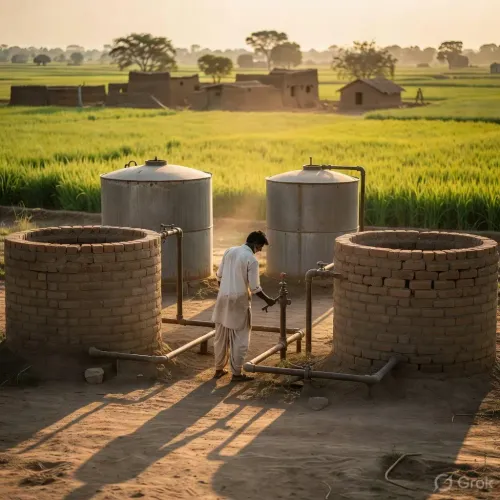
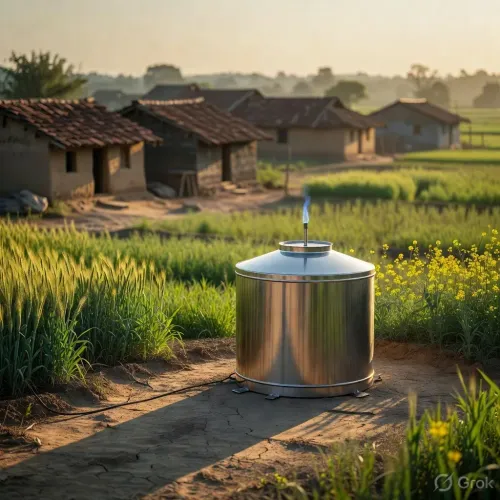
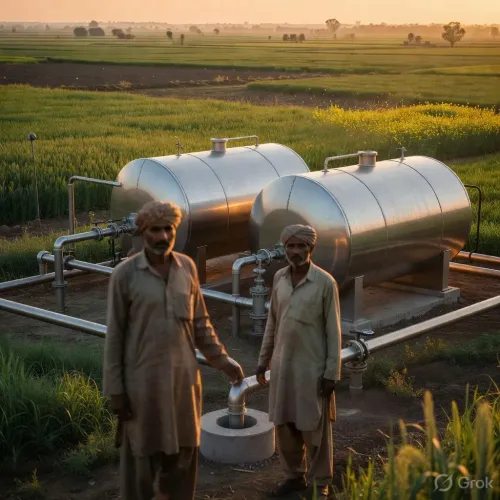
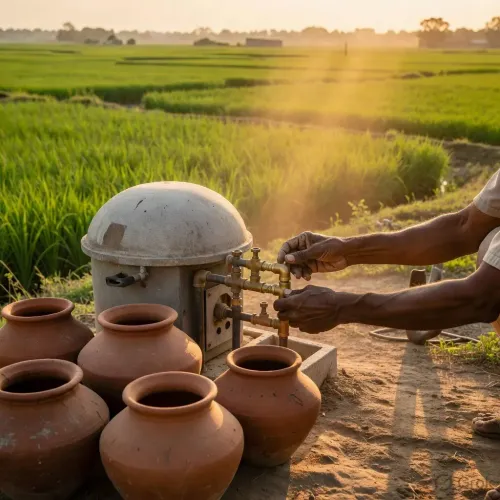
GOBARdhan converts cattle dung and organic agricultural waste into biogas, compressed biogas (CBG), and bio-fertiliser .
The scheme was originally launched in 2018 under the Swachh Bharat Mission (Gramin) ; this outlay marks its largest-ever expansion.
CM Yogi Adityanath described the cabinet nod as a milestone for farmer incomes, rural entrepreneurship, and India's energy security.
The approval aligns with the SATAT programme , which aims to integrate CBG into city gas distribution networks.
State-wise fund allocations and plant commissioning timelines are yet to be announced.
Cattle dung is now a national energy asset. The Union Cabinet's approval of a ₹23,731 crore outlay for the GOBARdhan (Galvanizing Organic Bio-Agro Resources Dhan) scheme on 6 August 2026 marks the most significant single-shot investment India has committed to converting agricultural organic waste into biogas and bio-fertiliser — and Uttar Pradesh Chief Minister Yogi Adityanath was swift to call it a milestone in the country's journey toward self-reliance and clean energy.
In a post on X, CM Yogi described the cabinet decision as 'ek aitihasik kadam' — 'a historic step' — toward Atmanirbhar Bharat, clean energy and rural prosperity. He credited Prime Minister Narendra Modi's leadership for a move he said would boost farmers' incomes, spur rural entrepreneurship, convert 'waste to wealth', attract investment, and strengthen the country's energy security.
Eight Years of GOBARdhan, Now at Scale
The scheme is not new. GOBARdhan was launched in 2018 under the Swachh Bharat Mission (Gramin), with a mandate to set up biogas plants that use cattle dung and other organic waste to produce biogas, compressed biogas (CBG), and bio-fertiliser. For eight years it operated in pilot and incremental mode across states. The ₹23,731 crore cabinet approval represents a qualitative shift — from demonstration project to national infrastructure push.
The scale matters because India's rural economy generates enormous volumes of agricultural residue and cattle waste, much of it either burned (contributing to stubble-fire pollution) or left unmanaged. Channelling that waste into CBG plants creates a simultaneous win: cleaner air, cheaper rural energy, organic fertiliser for fields, and a new income stream for farmers and dairy cooperatives.
Where GOBARdhan Fits India's Wider Energy Pivot
The approval slots directly into India's biofuel strategy. The government's SATAT (Sustainable Alternative Towards Affordable Transportation) programme has been working to integrate CBG into city gas distribution networks — meaning biogas produced in a village plant can eventually flow into urban piped-gas grids. The GOBARdhan expansion accelerates that supply chain. Multiple states have already linked GOBARdhan plants with dairy cooperatives and Farmer Producer Organisations (FPOs) since 2018, building the operational template that a larger rollout will need.
For Uttar Pradesh — India's most populous state, with one of its largest cattle populations and farming communities — the scheme carries particular weight. CM Yogi's endorsement signals that the state is positioned to absorb a significant share of the new outlay, though state-wise fund allocations and plant commissioning timelines are yet to be announced.
The 'Waste to Wealth' Bet on Rural Income
The political framing CM Yogi deployed — 'waste to wealth', farmer income, rural entrepreneurship — is deliberate and economically grounded. A functional GOBARdhan plant gives a farming household or cooperative three revenue lines: biogas for cooking or electricity, CBG that can be sold into the grid, and bio-fertiliser that replaces costly chemical inputs. The cabinet decision, if executed at pace, could make that model the norm rather than the exception across India's cattle-belt districts.
India has set itself ambitious targets for biofuel's share in the national energy mix. Hitting those targets requires feedstock at scale — and GOBARdhan's expansion is the clearest policy lever available. The watch now is on implementation: how fast states draw down the approved funds, how quickly new plants are commissioned, and whether CBG production volumes actually connect to city gas networks rather than stalling at the plant gate.
Point of View
731 crore GOBARdhan approval is the Modi government's clearest signal yet that bioenergy — not just solar and wind — will be a pillar of India's energy transition. For the BJP, the scheme's 'waste to wealth' framing is politically potent: it links environmental goals directly to farmer income, a perennial electoral pressure point. CM Yogi's rapid endorsement positions Uttar Pradesh — home to India's largest cattle population — as a natural beneficiary and early mover, reinforcing the state's alignment with central welfare and energy priorities ahead of future electoral cycles. The real test, as with previous GOBARdhan phases, will be execution speed: whether funds translate into commissioned plants and measurable CBG output, or stall in bureaucratic timelines.
NationPress
6 Aug 2026
Frequently Asked Questions
What is the GOBARdhan scheme?
GOBARdhan (Galvanizing Organic Bio-Agro Resources Dhan) is a central government scheme launched in 2018 under Swachh Bharat Mission (Gramin) that converts cattle dung and organic agricultural waste into biogas, compressed biogas, and bio-fertiliser, creating income for farmers and rural entrepreneurs.
How much money did the Cabinet approve for GOBARdhan in 2026?
The Union Cabinet approved ₹23,731 crore for the GOBARdhan scheme on 6 August 2026, marking the largest single investment in the programme since its 2018 launch.
What did CM Yogi Adityanath say about the GOBARdhan cabinet approval?
CM Yogi Adityanath called the cabinet decision a 'historic step' toward Atmanirbhar Bharat, clean energy, and rural prosperity, saying it would boost farmer incomes, encourage rural entrepreneurship, and strengthen India's energy security.
How does GOBARdhan help farmers?
GOBARdhan plants give farmers and cooperatives up to three revenue streams: biogas for cooking or electricity, compressed biogas that can be sold into gas distribution networks, and bio-fertiliser that reduces dependence on costly chemical inputs.
What is the SATAT programme and how does it connect to GOBARdhan?
SATAT (Sustainable Alternative Towards Affordable Transportation) is a government initiative to integrate compressed biogas into city gas distribution networks. GOBARdhan expansion directly feeds the CBG supply chain that SATAT depends on to scale up biofuel use across India.