CM Yogi: 'People are not a vote bank, they are Janardan'
Synopsis
Chief Minister Yogi Adityanath declared on 6 August 2026 that Uttar Pradesh's citizens are 'Janardan' — not a vote bank — and that government schemes must reach every resident without discrimination, reinforcing a signature governance theme ahead of the 2027 assembly elections.
Key Takeaways
CM Yogi Adityanath stated that citizens are 'Janardan' — not a vote bank — in remarks shared by the Chief Minister's Office of Uttar Pradesh on 6 August 2026 .
He asserted that in a democracy, every citizen must receive the benefits of government schemes 'without any discrimination'.
The term Janardan (a name for Vishnu meaning protector of people) has been a recurring rhetorical anchor for Adityanath since he first took office in March 2017 .
The BJP-led UP government has consistently positioned this 'universal welfare' framing as a contrast to what it calls identity-based vote-bank politics.
With UP assembly elections due in 2027 , the statement doubles as both a governance claim and an early ideological pitch to the state's roughly 240 million residents .
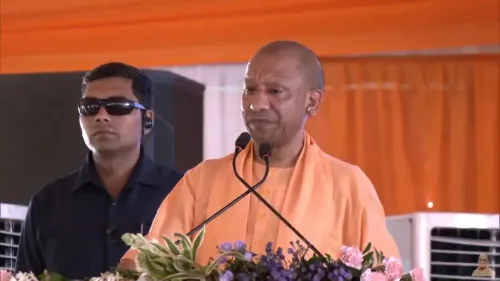
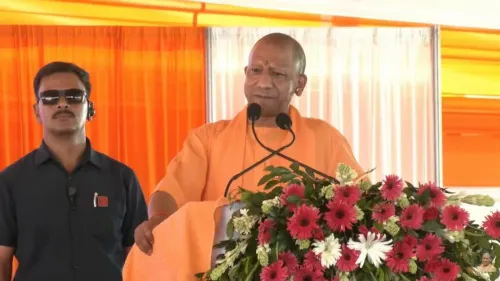
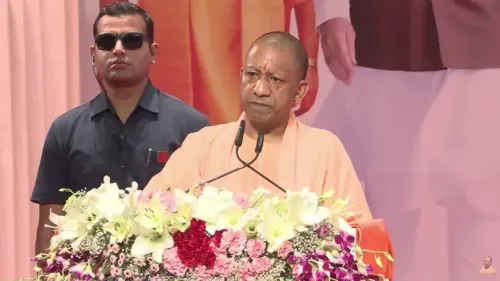
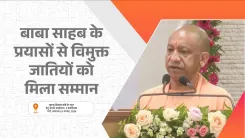
A sharp rebuke of identity-based politics arrived from Lucknow on Thursday, 6 August 2026, as the Chief Minister's Office of Uttar Pradesh shared remarks by Chief Minister Yogi Adityanath insisting that every citizen — without discrimination — must receive the full benefit of government schemes.
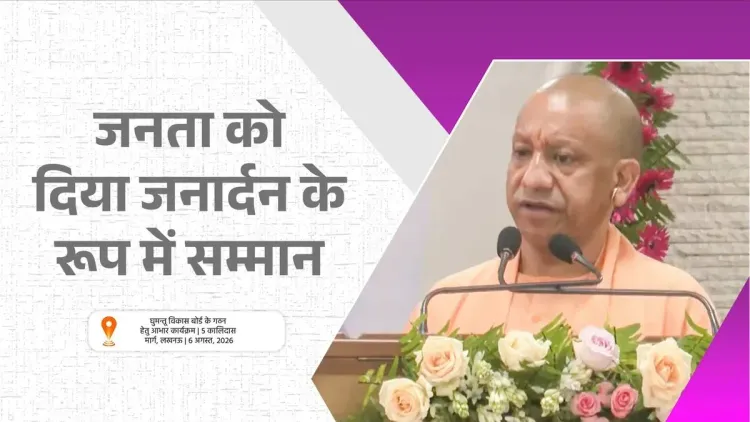
Speaking in Hindi, CM Yogi said: 'हमारे लिए जनता-जनार्दन वोटबैंक नहीं है' — 'For us, the public is not a vote bank.' He went further: 'In a democracy, the benefits of government plans and facilities must reach every citizen without any discrimination. We have honoured the people by treating them as Janardan — we have revered them, we have worshipped them.'
What 'Janardan' signals in UP's political vocabulary
The word Janardan — a name for Vishnu meaning 'one who helps and protects people' — is not casual rhetoric. Adityanath has deployed it consistently since taking office in March 2017, framing governance as a form of public service that transcends caste, religion, and region. The choice of language is deliberate: it places the citizen at the level of the divine, making exclusion or favouritism not just a policy failure but a moral one.
The BJP-led administration in Uttar Pradesh has repeatedly contrasted this approach with what it calls the 'vote-bank politics' of predecessor governments — the practice of routing welfare selectively to communities in exchange for electoral loyalty. Whether that contrast holds in delivery is a debate that plays out in every election cycle, but the messaging itself has been a consistent pillar of the Yogi government's public identity since its first term.
The 2027 shadow behind a 2026 statement
The timing matters. With the Uttar Pradesh assembly elections due in 2027, the governing party is already laying the ideological groundwork. A statement that positions welfare delivery as universal — not transactional — is both a governance claim and a pre-election argument. It tells voters: schemes reached you not because of who you are, but because you are a citizen.
For the largest state in India by population, that argument carries weight. Uttar Pradesh has roughly 240 million residents and a welfare architecture that spans housing, food security, health, and employment. Whether the administration can substantiate the 'no discrimination' claim with scheme-rollout data will define how that argument lands over the next twelve months.
The Chief Minister has worshipped the voter — now the voter will weigh the record.
Point of View
Making it harder for opponents to attack specific scheme-targeting without appearing to argue against universalism. As the 2027 UP elections approach, this kind of pre-positioning — establishing the ideological premise before the manifesto — is standard governing-party playbook. The real test is whether scheme-rollout data from the second term can be marshalled to back the claim; in a state as vast and diverse as Uttar Pradesh, the gap between universal rhetoric and ground-level delivery is precisely where opposition parties will look to strike.
NationPress
6 Aug 2026
Frequently Asked Questions
What did CM Yogi Adityanath mean by 'Janardan'?
'Janardan' is a Sanskrit name for Vishnu meaning 'protector and helper of the people.' CM Yogi used it to convey that his government treats citizens as worthy of reverence — not as a vote bank to be courted selectively.
What is vote-bank politics and why is CM Yogi criticising it?
Vote-bank politics refers to the practice of directing government benefits to specific communities in exchange for electoral support. CM Yogi's statement argues that welfare must reach every citizen equally, contrasting his administration's approach with this practice.
When did Yogi Adityanath become Chief Minister of Uttar Pradesh?
Yogi Adityanath first became Chief Minister of Uttar Pradesh in March 2017 and was re-elected for a second term in 2022 .
When are the next Uttar Pradesh assembly elections?
The next Uttar Pradesh assembly elections are due in 2027 . Political observers see statements like this as early ideological groundwork ahead of that contest.
What welfare schemes does the Uttar Pradesh government run?
The UP government administers a wide range of central and state welfare schemes spanning housing (PM Awas Yojana), food security (public distribution system), health (Ayushman Bharat), and employment. The CM's statement asserts these must reach all residents without discrimination.