Maharashtra rainfall to drop from July 8, says CM Fadnavis; Koyna Dam surges
Synopsis
Maharashtra is caught in a weather paradox: CM Fadnavis has warned of a 10-day rainfall deficit across most of the state from July 8, threatening crops — while the Western Ghats are being hammered, Koyna Dam is filling at triple last year's inflow rate, and Mahabaleshwar has received 400 mm of rain in a single day.
Key Takeaways
CM Devendra Fadnavis warned on 7 July 2026 that rainfall will be below average across most of Maharashtra from 8 July for at least 10 days .
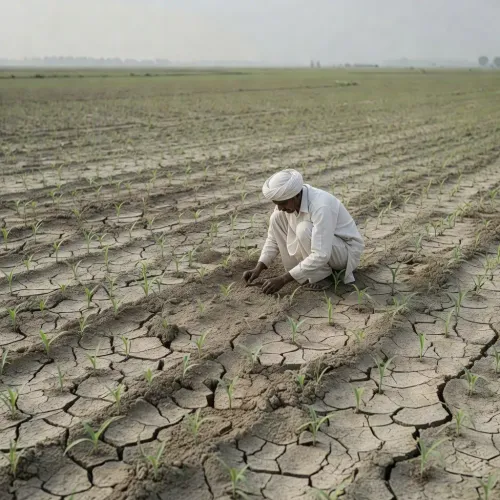
Rainfall is particularly deficient in Khandesh , Central Maharashtra , parts of Western Vidarbha , and Marathwada .
The state Agriculture Department has advised farmers in dry zones not to rush sowing until adequate soil moisture is established.
Koyna Dam received 8.03 TMC of inflow in 24 hours at 93,020 cusecs — more than triple the inflow rate recorded on the same date in 2025 .
Mahabaleshwar recorded 400 mm of rainfall in 24 hours ; the IMD has issued a Red Alert for Satara district.
A 28-member NDRF team has been deployed in the Karad–Patan region; schools in five talukas have been given a holiday.
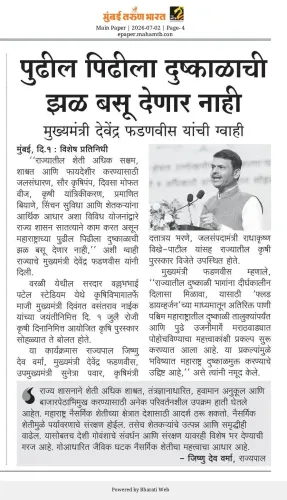
Chief Minister Devendra Fadnavis on Tuesday, 7 July 2026 warned that rainfall across Maharashtra is set to decline sharply from 8 July, with the dry spell likely to persist for at least 10 days. While Mumbai and Western Maharashtra received heavy showers at the start of July, large parts of the state have recorded below-average rainfall overall.
Regions Facing Rainfall Deficit
Fadnavis identified several zones where rainfall has been particularly scarce: Khandesh (covering Dhule and Nandurbar), Central Maharashtra (including Ahilyanagar and Solapur), parts of Western Vidarbha, and sections of Marathwada. The chief minister noted that maximum temperatures across the state could rise during this period, compounding the stress on agriculture.
According to preliminary forecasts from the India Meteorological Department (IMD), rainfall in the second fortnight of July may be significantly lower than in the first. Fadnavis urged farmers to plan their agricultural activities around this evolving weather pattern.
Advisory to Farmers
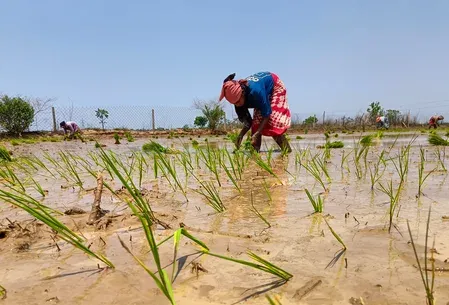
The state's Agriculture Department has appealed to farmers in rain-deficient areas not to rush into sowing until adequate soil moisture is established. Premature sowing in dry conditions risks crop failure, and officials have stressed that patience at this stage could prevent larger losses in the weeks ahead.
Koyna Dam Surges as Western Ghats Battered
Even as the broader state faces a dry outlook, the Western Ghats and the Koyna catchment area are experiencing the opposite extreme. Relentless torrential to extremely heavy rainfall has severely disrupted life across the ghat region and along the banks of the Krishna and Koyna rivers.
In the 24 hours ending 7 July 2026, Koyna Dam received a massive inflow of 8.03 TMC (Thousand Million Cubic Feet) at a rate of 93,020 cusecs, pushing total storage to 33.92%. As of 8:00 AM on 7 July 2026, the dam's total live stock stood at 35.70 TMC, with usable water content at 30.58 TMC. The current inflow rate is reportedly more than triple that recorded on the same date last year, when inflows stood at 23,874 cusecs and the dam held 68.38 TMC (64.97%) of water.
The delayed monsoon onset this year has left the water level at 2,086 feet 9 inches, compared to 2,128 feet 1 inch at the same time in 2025. However, given the current pace of inflows, this deficit is being bridged rapidly, according to government sources.
The IMD has issued a Red Alert for Satara district. Mahabaleshwar recorded a staggering 400 mm of rainfall within a single 24-hour period.
Damage and Disruption Across Satara Region
The monsoon's intensity has triggered widespread damage. An iron bridge near Venna Lake in Mahabaleshwar has collapsed, and a major landslide at Kelghar Ghat has cut off road connectivity to several villages. Uprooted trees have been reported along the Karad–Patan and Karad–Chiplun routes.
Floodwaters have entered commercial complexes near the new Patan bus stand, as well as tribal hamlets in the Wai and Jambhli areas. The district administration has declared a school holiday across five talukas. A special 28-member National Disaster Response Force (NDRF) team has been deployed in the Karad–Patan region for rescue and relief operations.
Chief Minister Fadnavis and the Guardian Minister have directed local administration to immediately carry out damage assessments (panchnamas) and expedite relief measures. With the dry spell forecast for most of Maharashtra and the Western Ghats still under a Red Alert, the state faces a split-screen weather crisis in the days ahead.
Point of View
Coming during the critical sowing window, could translate into agrarian distress by August if the IMD's second-fortnight forecast holds. At the same time, Koyna's triple-rate inflow demands proactive dam management: last year's higher storage levels offer no comfort when inflows are this aggressive. The collapse of the Venna Lake bridge and the Kelghar Ghat landslide are early signals that infrastructure in the Western Ghats is under-prepared for climate-intensified monsoons. The government's panchnama directive is the right instinct, but the pace of relief disbursal — historically slow in Maharashtra's ghat talukas — will be the real test.
NationPress
7 Jul 2026
Frequently Asked Questions
Why is Maharashtra expecting a decrease in rainfall from July 8?
Chief Minister Devendra Fadnavis stated on 7 July 2026 that while Mumbai and Western Maharashtra saw heavy rain at the start of July, most of the state has recorded below-average rainfall overall. Preliminary IMD forecasts suggest the second fortnight of July will see significantly lower rain than the first, with the dry spell expected to last at least 10 days.
Which parts of Maharashtra are facing a rainfall deficit?
Khandesh (Dhule and Nandurbar), Central Maharashtra (Ahilyanagar and Solapur), parts of Western Vidarbha, and sections of Marathwada are the most rain-deficient zones, according to CM Fadnavis.
What is the current status of Koyna Dam?
As of 8:00 AM on 7 July 2026, Koyna Dam's total live stock stood at 35.70 TMC (33.92% capacity), with usable water at 30.58 TMC. In the preceding 24 hours, the dam received 8.03 TMC of inflow at 93,020 cusecs — more than triple the inflow rate recorded on the same date in 2025.
What is the IMD alert status for Maharashtra?
The India Meteorological Department has issued a Red Alert for Satara district, warning of severe weather. Mahabaleshwar, located in Satara, recorded 400 mm of rainfall in a single 24-hour period.
What relief measures have been deployed in flood-affected areas?
A 28-member NDRF team has been deployed in the Karad–Patan region. The district administration has declared school holidays in five talukas. CM Fadnavis and the Guardian Minister have directed local authorities to immediately conduct damage assessments (panchnamas) and expedite relief operations.