Delhi L-G T.S. Sandhu to launch Yamuna Dialogues on Nov 20 for river revival

Synopsis
Delhi's L-G T.S. Sandhu is set to convene the Yamuna Dialogues on 20 November — the most structured multi-stakeholder attempt yet to produce a binding action plan for the river's 52-km urban stretch. The DDA's six-session roundtable at the restored Baansera park aims to produce a 'Delhi Yamuna Report' with named institutions, timelines, and financing pathways — a step beyond the vague pledges that have defined Yamuna clean-up efforts for decades.
Key Takeaways
Sandhu will inaugurate the Yamuna Dialogues on 20 November 2026 .
The event is organised by the Delhi Development Authority (DDA) at Baansera, Birsa Munda Chowk .
The roundtable focuses on the 52-km urban stretch of the Yamuna in Delhi, with national and global experts in attendance.
Six thematic sessions will cover governance, floodplain planning, water quality, ghat development, financing, and technology.
Recommendations will be compiled into the proposed 'Delhi Yamuna Report' outlining priority actions and institutional responsibilities.
Baansera, the chosen venue, was formerly a construction waste dump and now draws around five lakh visitors after DDA restoration.
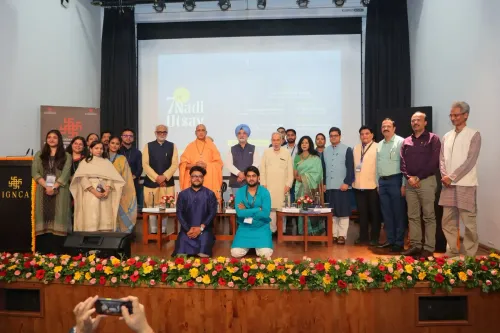
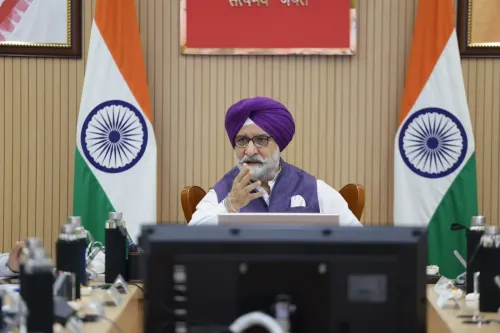
Delhi Lieutenant Governor T.S. Sandhu will inaugurate the Yamuna Dialogues on 20 November 2026, a one-day roundtable organised by the Delhi Development Authority (DDA) to chart a science-based, collaborative roadmap for the rejuvenation of the Yamuna river in the capital. The event will convene national and global experts from scientific institutions, urban planning bodies, and civil society groups, according to an official statement issued on Thursday.
Venue and Format
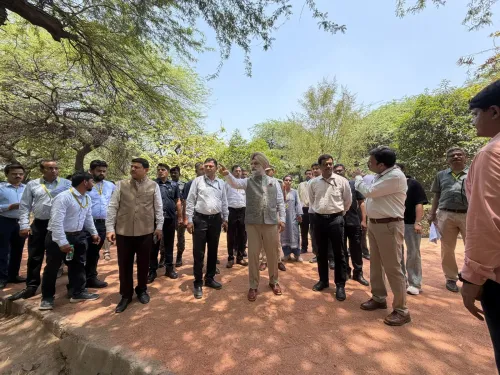
The Dialogues will be held at Baansera, located at Birsa Munda Chowk in Delhi — a site that is itself a symbol of ecological recovery. Once a dumping ground for construction waste, Baansera was transformed by the DDA into a bamboo park and public green space, now attracting an estimated five lakh visitors. The venue choice underscores the event's core message: that degraded urban landscapes can be meaningfully restored.
What the Dialogues Will Cover
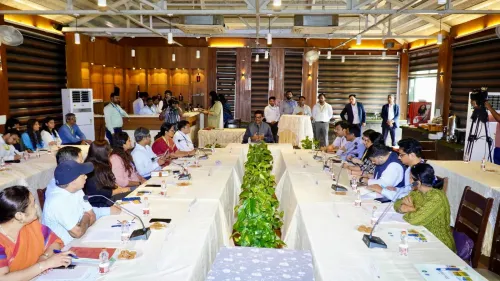
The roundtable will focus exclusively on the 52-km urban stretch of the Yamuna flowing through Delhi, treating the river and its floodplains as a single, interconnected ecological system. Six thematic sessions are planned, covering Governance Mechanisms; Floodplain Planning and Ecological Measures; Water Quality and Drainage Management; River–People Connect and Ghat Development; Sustainable Financing Models; and Emerging Technology, Research and Innovation.
The discussions will be anchored around three guiding principles: restoring the Yamuna as a living ecosystem, minimising the ecological footprint of human activity on the river and its floodplains, and deepening the relationship between the river and Delhi's residents.
The Delhi Yamuna Report
A key output of the event will be the proposed 'Delhi Yamuna Report' — a consolidation of recommendations from all six sessions. The document is intended to outline priority actions, institutional responsibilities, potential partnerships, and implementation pathways. Officials said the report aims to move the conversation beyond one-off interventions toward a long-term, integrated management framework.
Broader Context and Significance
The Yamuna remains one of India's most polluted urban rivers despite decades of cleanup efforts and successive government pledges. This comes amid renewed administrative focus on the river under L-G Sandhu's tenure, with the DDA increasingly taking on a coordinating role for environmental infrastructure in the capital. Notably, the initiative seeks to involve not just government agencies but also development partners and local communities — a broader coalition than previous clean-up drives have typically assembled. The outcome of the Dialogues and the credibility of the Delhi Yamuna Report will be closely watched as a test of whether expert consensus can translate into on-ground action.
Point of View
But the river's history demands scepticism. Successive governments have announced clean-up missions since the 1990s — many backed by World Bank funding — with little lasting impact on water quality or ecological health. The real test will be whether the 'Delhi Yamuna Report' binds agencies to measurable, time-bound targets with accountability mechanisms, or becomes another policy document shelved after the press cycle. The DDA's coordination role is a constructive structural shift, but it cannot substitute for political will across the multiple departments — from irrigation to sewage treatment — whose turf wars have historically stalled Yamuna restoration.
NationPress
12 Nov 2026
Frequently Asked Questions
What are the Yamuna Dialogues being organised by the DDA?
The Yamuna Dialogues is a one-day roundtable organised by the Delhi Development Authority (DDA) on 20 November 2026 at Baansera, Birsa Munda Chowk, Delhi. It will bring together national and global experts from scientific institutions, urban planning bodies, and civil society to develop a shared vision and actionable roadmap for Yamuna rejuvenation.
Who will inaugurate the Yamuna Dialogues?
Delhi Lieutenant Governor T.S. Sandhu will open the Yamuna Dialogues on 20 November 2026. The DDA is organising the event under his direction as part of renewed administrative focus on the river's restoration.
What is the Delhi Yamuna Report?
The Delhi Yamuna Report is a proposed document to be produced from the six thematic sessions at the Dialogues. It will outline key recommendations, priority interventions, institutional responsibilities, potential partnerships, and implementation pathways for the long-term management of the Yamuna in Delhi.
What stretch of the Yamuna will the Dialogues focus on?
The event will specifically focus on the 52-km urban stretch of the Yamuna flowing through Delhi, treating the river and its floodplains as a single interconnected ecological system rather than a series of isolated problem zones.
Why is Baansera significant as the venue for the Yamuna Dialogues?
Baansera was once used for dumping construction waste before being transformed by the DDA into a bamboo park and public green space that now attracts around five lakh visitors. Its selection as the venue is meant to demonstrate the potential of ecological restoration of degraded urban land.