Dr. Jitendra Singh Echoes PM Modi's Call for Census Duty
Synopsis
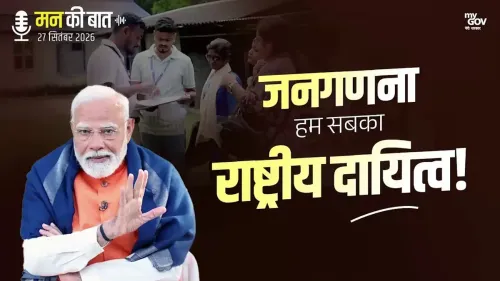
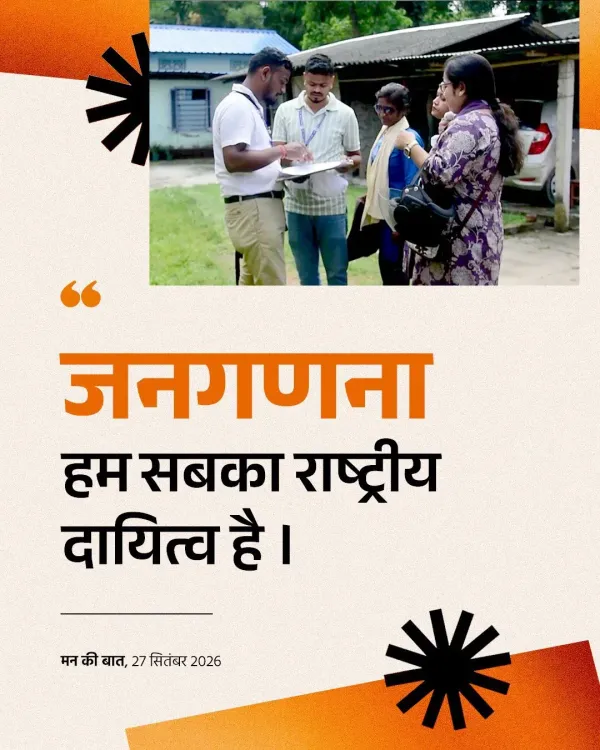
Union Minister Dr. Jitendra Singh amplified PM Modi's Mann Ki Baat message on September 27, 2026, calling the Census a national responsibility and urging every citizen to participate — signalling a public-mobilisation push ahead of India's long-delayed enumeration exercise.
Key Takeaways
Jitendra Singh shared PM Modi's Mann Ki Baat message on September 27, 2026, framing the Census as a collective national duty.
PM Modi stated: 'The census is a national responsibility, and every citizen has a role to play in it.' The Census of India 2021 was postponed due to the COVID-19 pandemic, creating an unprecedented gap since the last completed count in 2011.
India has conducted a census every decade since 1881, making this among the world's oldest continuous enumeration traditions.
Accurate census data underpins planning for schools, hospitals, infrastructure, welfare schemes, and parliamentary delimitation.
The government's top-down communication signals an imminent shift toward active field operations and public mobilisation.
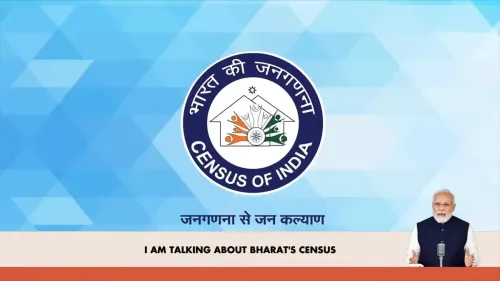
Every decade, India counts itself — and Prime Minister Narendra Modi wants every citizen to understand that this time, the count is on them. Union Minister of State Dr. Jitendra Singh amplified that message on Sunday, September 27, 2026, sharing PM Modi's words from Mann Ki Baat on X, underscoring that the upcoming Census is not just a government exercise — it is a national obligation.
Quoting the Prime Minister directly, Dr. Singh posted: 'The census is a national responsibility, and every citizen has a role to play in it.' The remark, made during PM Modi's monthly radio address Mann Ki Baat, signals that the long-awaited Census of India is moving back into the public conversation — and the government wants citizens primed for participation.
Why This Census Has Been Fifteen Years in the Making
India has enumerated its population every ten years without interruption since 1881 — one of the longest-running continuous census traditions in the world. The last completed count was in 2011. The Census of India 2021 was postponed when the COVID-19 pandemic forced a halt to field operations, pushing the nation past an unprecedented gap of more than a decade without fresh demographic data.
That gap has real consequences. Planning for schools, hospitals, highways, welfare schemes, and the delimitation of parliamentary constituencies all hinge on accurate, current population figures. Every year without a new census is a year policymakers navigate with a map drawn fifteen years ago.
What 'Citizen Responsibility' Actually Means on the Ground
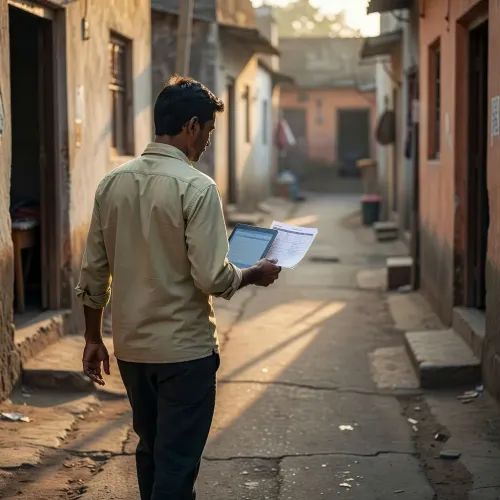
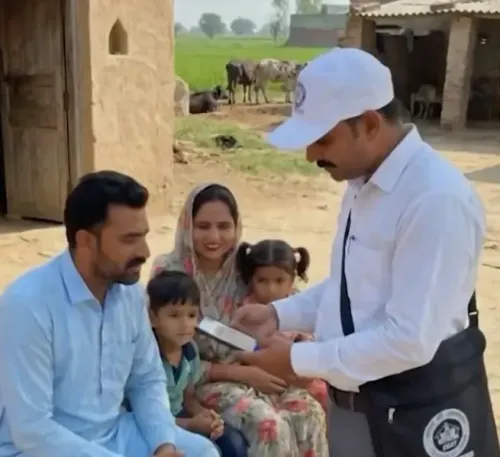
The Census works through door-to-door enumeration by trained enumerators — but its accuracy depends entirely on households opening their doors, answering questions honestly, and cooperating with the process. PM Modi's framing through Mann Ki Baat, and Dr. Singh's amplification of it, is a deliberate exercise in public mobilisation: building social buy-in before field operations begin.
Historically, under-reporting and non-cooperation have skewed data in dense urban areas and remote tribal regions alike. A pre-emptive push from the top — the Prime Minister on national radio, ministers echoing it on social media — is the government's way of getting ahead of that problem.
With pilot exercises, enumerator training, and digital data-collection methods all expected to feature in this modernised Census round, the machinery is being rebuilt from the ground up. The message from South Block is clear: get ready, and get involved.
Point of View
Completing a two-channel mobilisation strategy. With delimitation of parliamentary seats contingent on fresh data, the Census carries acute political stakes beyond the administrative, making broad citizen cooperation a priority that goes well beyond statistical accuracy. The government's messaging blitz now sets an expectation: when enumerators knock, non-cooperation will feel conspicuously out of step with a prime ministerial appeal.
NationPress
27 Sept 2026
Frequently Asked Questions
When will the Census of India 2021 be conducted?
The Census of India 2021 was postponed due to the COVID-19 pandemic and has not yet been conducted. As of September 2026, the government has signalled renewed public mobilisation for the exercise, though specific operational timelines have not been officially confirmed.
What did PM Modi say about the Census on Mann Ki Baat?
PM Modi stated that 'the census is a national responsibility, and every citizen has a role to play in it,' urging all Indians to cooperate fully when the enumeration exercise takes place.
Why is the Census important for India?
Census data underpins planning for schools, hospitals, highways, and welfare schemes, and is used for the delimitation of parliamentary and assembly constituencies. Without current data, policymakers rely on figures that are over a decade old.
When was the last Census conducted in India?
The last completed Census of India was in 2011. The 2021 edition was postponed due to the COVID-19 pandemic, creating an unprecedented gap of more than a decade.
What is Mann Ki Baat?
Mann Ki Baat is PM Narendra Modi's monthly radio address to the nation, broadcast on All India Radio, in which he highlights civic responsibilities, national achievements, and social issues directly with citizens.