Giriraj Singh backs 'Fibre N.Loom' for rural weavers, green goals
Synopsis
Textiles Minister Giriraj Singh endorsed the 'Fibre N.Loom' initiative on 17 October 2026, citing natural-fibre handmade carpets as a vehicle for rural artisan livelihoods, women's employment, and India's stated climate ambitions — while no new policy measures were announced.
Key Takeaways
Giriraj Singh endorsed the 'Fibre N.Loom' initiative on 17 October 2026 , praising its role in rural artisan livelihoods and women's employment.
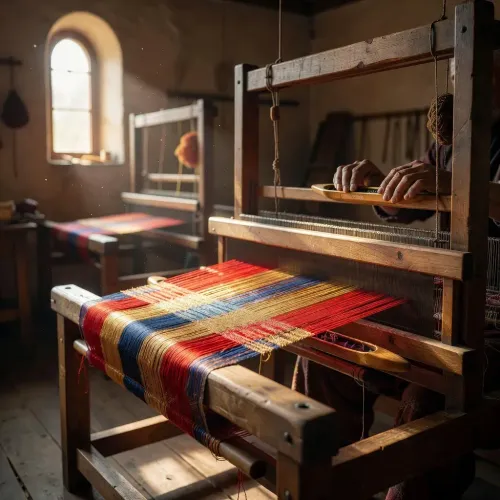
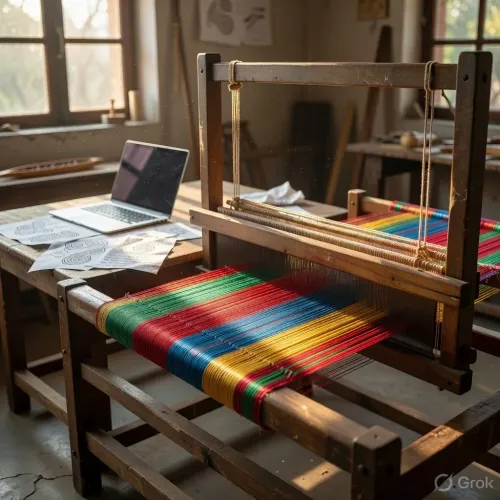
India's handmade carpets made from natural fibres — including from clusters like Bhadohi, Uttar Pradesh — are gaining ground in global markets driven by sustainability demand.
Singh linked the initiative to PM Modi's zero-carbon goal by 2047 ; however, India's formally registered net-zero target at COP26 (Glasgow, 2021) is 2070 .
Women weavers were explicitly named as a key beneficiary group alongside rural artisans.
No new policy measures, budget allocations, or export targets were announced alongside the post.
Details of the Fibre N.Loom initiative are not yet publicly available in government notifications.
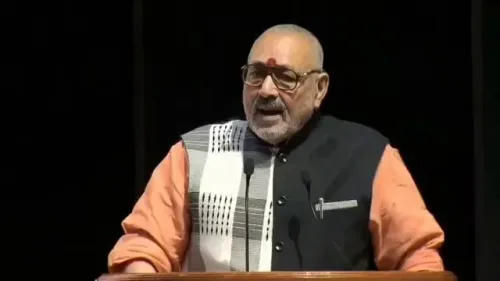
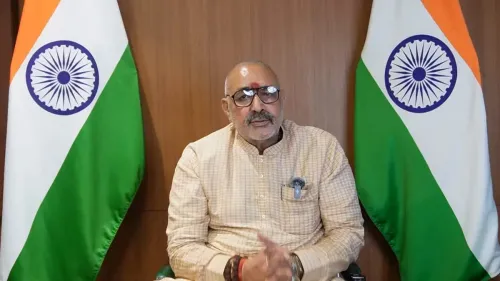
India's handmade carpets woven from natural fibres are quietly finding buyers across the world — and Union Textiles Minister Giriraj Singh wants that momentum to carry far more than export revenue. On Saturday, 17 October 2026, the Minister took to X to spotlight an initiative called 'Fibre N.Loom', calling it a commendable effort that links rural livelihoods, women's employment, and traditional craft with India's long-term climate ambitions.
In his post, Singh wrote: 'Prakritik reshon se bane Bharatiya hastnirmit kaleen vaishvik bazaar mein apni pehchaan bana rahe hain' — 'Indian handmade carpets crafted from natural fibres are carving out an identity in the global market.' He described the Fibre N.Loom initiative as significant not only for artisan livelihoods and women's employment but also for advancing Prime Minister Narendra Modi's zero-carbon emissions goal by 2047.
Bhadohi's looms and the global sustainability wave
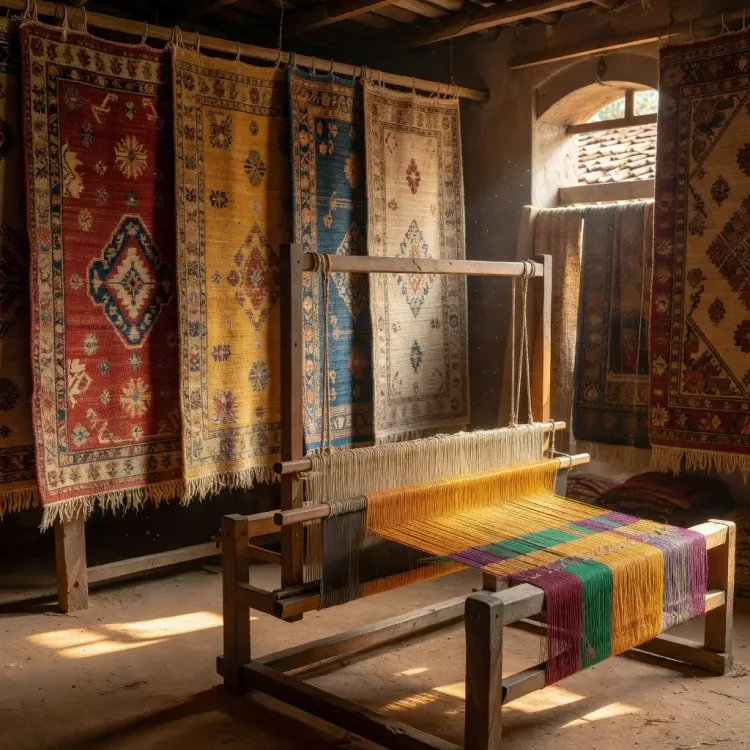
India's carpet-weaving clusters — most famously centred around Bhadohi in Uttar Pradesh — have supplied handmade rugs to international markets for generations. Natural-fibre carpets made from wool, jute, and cotton carry a sustainability credential that synthetic alternatives simply cannot match, and demand for such products has grown sharply as European and North American buyers impose tighter environmental sourcing standards.
Successive governments have attempted to harness this demand through export promotion councils and Geographical Indication tagging for heritage weaves. Singh's endorsement of Fibre N.Loom places the initiative within that longer policy lineage, while explicitly threading it into a climate narrative.
Women weavers at the centre of the pitch
The Minister's framing is deliberate: women's employment gets a named mention alongside rural artisan livelihoods. Women constitute a significant share of the weaving workforce in India's carpet belts, yet they remain disproportionately informal and underprotected. By flagging gender inclusion as a headline outcome of Fibre N.Loom, Singh is signalling that the initiative is meant to be measured against social equity, not just export figures.
The 2047 climate claim — and what the record shows
The post attributes a zero-carbon emissions target by 2047 to Prime Minister Modi. It is worth noting that India's officially stated and internationally registered net-zero commitment — announced at the COP26 summit in Glasgow in 2021 — is 2070, not 2047. The 2047 date aligns with India's 'Viksit Bharat' centenary vision for comprehensive national development, but a standalone zero-carbon deadline for that year has not been formally notified in India's climate policy documents. The distinction matters: trade and craft programmes calibrated to the wrong benchmark could face credibility questions in international sustainability audits.
No specific policy measures, budget allocations, or export targets were announced alongside the post. Fibre N.Loom itself has not been detailed in publicly available government notifications as of this report.
Point of View
Gender, and climate threads simultaneously to appeal to rural, feminist, and green audiences at once. The deliberate 2047 framing — rather than India's official 2070 net-zero date — suggests an effort to tie craft exports to the 'Viksit Bharat' centenary branding, even if the policy architecture to support that claim remains thin. For the handmade carpet sector, ministerial visibility is valuable, but durable gains depend on whether export incentives, GI protections, and skilling programmes follow — none of which were announced here. The gap between the ambition signalled and the specifics delivered is the real story to watch.
NationPress
17 Oct 2026
Frequently Asked Questions
What is the 'Fibre N.Loom' initiative mentioned by Giriraj Singh?
'Fibre N.Loom' is an initiative focused on promoting Indian handmade carpets crafted from natural fibres, aimed at supporting rural artisan livelihoods and women's employment. Specific details of the programme have not yet been publicly notified by the government.
Where are India's major handmade carpet-making clusters?
Bhadohi in Uttar Pradesh is the most prominent handmade carpet cluster in India, along with areas in Mirzapur and parts of Rajasthan and Kashmir, collectively supplying a significant share of India's carpet exports.
Is India's net-zero target 2047 or 2070?
India's officially stated net-zero emissions target, registered at the COP26 summit in Glasgow in 2021 , is 2070 . The year 2047 is associated with India's broader 'Viksit Bharat' development vision for the centenary of independence, but a standalone zero-carbon deadline for that year has not been formally notified.
How does India promote its handmade carpet exports?
India promotes handmade carpet exports through export promotion councils, Geographical Indication tagging for heritage weaves, and periodic government schemes linking traditional craft with rural employment and sustainable production standards.
Why are natural-fibre carpets gaining demand globally?
Growing environmental sourcing standards among European and North American buyers have boosted demand for carpets made from natural fibres like wool, jute, and cotton, as these carry sustainability credentials that synthetic alternatives cannot match.