Gujarat CM Bhupendra Patel meets 20 children aided by cochlear implant scheme at Science City
Synopsis
Gujarat's cochlear implant scheme has quietly transformed over 3,500 young lives since 2014 — and a 2024 policy extension now covers ₹3.5 lakh replacement processors free of cost. Chief Minister Bhupendra Patel's visit to Science City put faces to the numbers: children who once could not speak, now conversing freely and attending mainstream schools.
Key Takeaways
Gujarat CM Bhupendra Patel met 20 children at Science City, Ahmedabad on 23 May who regained hearing under the state's cochlear implant scheme.
The programme, launched in 2014 , has supported more than 3,500 children through free cochlear implant surgeries for those up to six years of age .
In 2024 , the government extended support to cover free replacement of external speech processors; 401 children have received replacements so far.
A single external speech processor costs approximately ₹3.5 lakh — beyond the reach of most families without state assistance.
Early screening through RBSK and Anganwadi centres has been credited by parents as key to timely diagnosis and intervention.
Treatment is available at 10 hospitals across Gujarat, covering ENT care, audiology, and speech therapy.
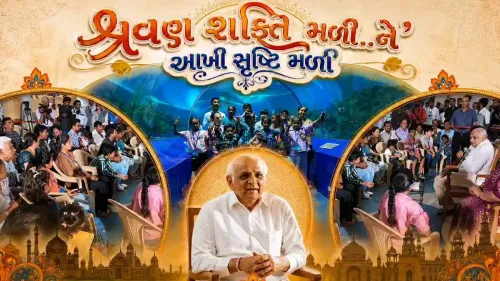
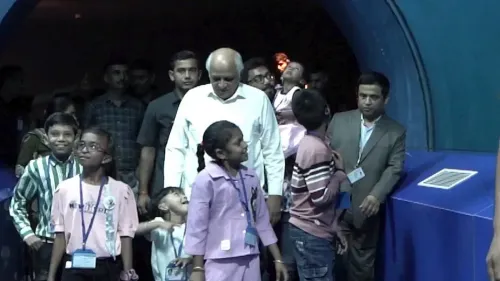
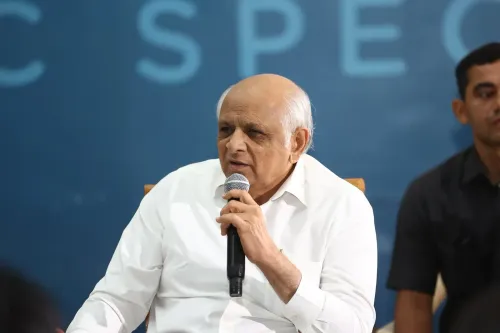
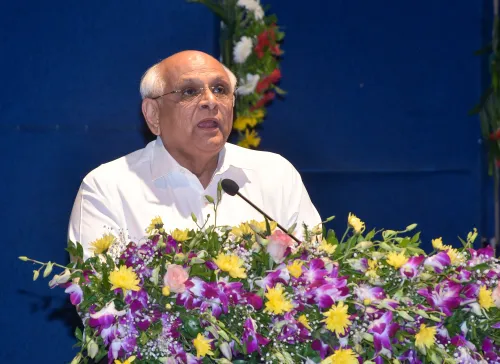
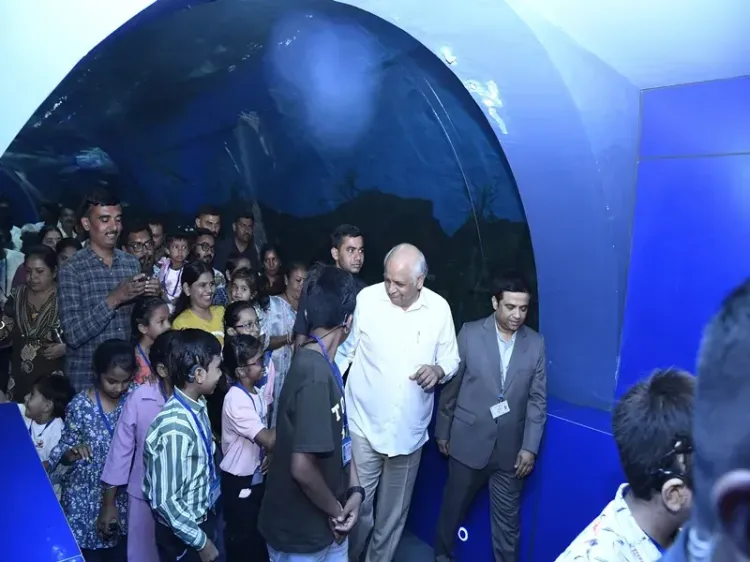
Gujarat Chief Minister Bhupendra Patel on 23 May spent time with 20 children who regained hearing and speech through the state's Cochlear Implant External Speech Processor Replacement Programme, meeting them during a guided tour of the Aquatic Gallery at Science City, Ahmedabad. The interaction brought together medical rehabilitation milestones and personal stories of recovery under one of Gujarat's flagship child health initiatives.
About the Programme
Launched in 2014 under the School Health Programme, Gujarat's cochlear implant scheme provides surgeries free of cost to children up to six years of age diagnosed with profound hearing loss. The programme operates through a network of 10 hospitals across the state, offering specialised ENT care, audiology services, and speech therapy. To date, it has supported more than 3,500 children across Gujarat.
In 2024, the government extended its support framework to cover the external speech processor — the component that converts environmental sound into electrical signals for hearing perception. Eligible beneficiaries can now receive a replacement device free of cost once, in cases of damage, loss, or malfunction. According to official data, 401 children have received replacement processors so far. A single external speech processor costs approximately ₹3.5 lakh, placing it beyond the reach of most families without state assistance.
Families Share Their Stories
Sonal Bhavsar said her child's condition was identified during an Anganwadi screening, after which treatment was arranged at a government hospital. 'The government relieved us of the financial burden of treatment for our child born after 13 years of marriage. This support gave us both financial relief and emotional strength. Seeing the Chief Minister spend time with the children today has reassured us that he stands with families like ours,' she said.
Ritul Panchal described the journey of his daughter Ruhi, who underwent surgery at Sola Civil Hospital. The family had initially struggled with the cost of private treatment before accessing the government scheme. 'After a year of speech therapy, she is now able to speak clearly and attends school like any other child. This programme has given a new life to thousands of children,' he said.
Jainam Shah credited early diagnosis with enabling his daughter to enter mainstream education. 'She began speaking within months of therapy after her cochlear implant surgery. Today she studies in a regular school and leads a normal life. I would urge other parents not to delay or hesitate in seeking help through this scheme,' he said.
Role of Early Screening
Several parents credited the Rashtriya Bal Swasthya Karyakram (RBSK) — the national child health screening initiative — with identifying their children's hearing loss early, enabling timely surgical intervention and rehabilitation. Officials noted that early detection through Anganwadi and school-level screenings has been central to the programme's outcomes.
How Cochlear Implants Work
A cochlear implant system comprises an internal implant and an external speech processor. The external unit captures environmental sound and transmits it to the internal implant, which converts it into electrical impulses routed to the brain's auditory pathways. The external processor typically has a lifespan of around 10 years and may require replacement due to wear, moisture exposure, battery degradation, or technical failure — a cost the 2024 policy now covers for eligible children.
The Chief Minister's Visit
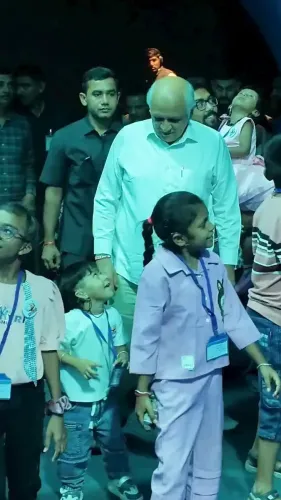
During the Science City tour, Chief Minister Patel accompanied the children through the Aquatic Gallery, engaging with them individually in what officials described as an informal and relaxed setting designed to support ongoing rehabilitation. The children, many of whom had previously been unable to speak, were observed conversing and responding with confidence. Officials said the visit was intended to reinforce the state's commitment to long-term follow-up in child health care, not merely surgical intervention.
With over 3,500 beneficiaries since 2014 and a replacement policy now in place, Gujarat's cochlear implant programme is set to serve as a model for state-level hearing rehabilitation — though its reach will ultimately depend on sustained screening coverage and hospital capacity across districts.
Point of View
However, is not the 3,500 surgeries but whether district-level screening through RBSK and Anganwadi networks is catching every eligible child early enough for language acquisition — the window for which closes rapidly after age six.
NationPress
7 Oct 2026
Frequently Asked Questions
What is Gujarat's Cochlear Implant External Speech Processor Replacement Programme?
It is a state government initiative that provides cochlear implant surgeries free of cost to children up to six years of age with profound hearing loss, and since 2024, also covers one free replacement of the external speech processor for eligible beneficiaries. The programme has supported more than 3,500 children across Gujarat since its launch in 2014.
How many children have benefited from the cochlear implant scheme in Gujarat?
More than 3,500 children have received support under the programme since 2014. Of these, 401 children have additionally received free replacement external speech processors under the 2024 policy extension.
Why is the external speech processor replacement policy significant?
A single external speech processor costs approximately ₹3.5 lakh, which is unaffordable for most families without assistance. The 2024 policy ensures that children do not lose hearing function due to device failure after surgery, closing a critical gap in long-term rehabilitation support.
How are children identified for the cochlear implant programme in Gujarat?
Children are typically identified through early screening under the Rashtriya Bal Swasthya Karyakram (RBSK) and Anganwadi-level health checks. Parents of beneficiaries have credited these screenings with enabling timely diagnosis and access to government treatment facilities.
Where can families in Gujarat access cochlear implant treatment?
Treatment is available at a network of 10 hospitals across Gujarat, offering ENT surgery, audiology services, and speech therapy. Sola Civil Hospital in Ahmedabad is among the facilities where surgeries have been performed under the scheme.