CM Gujarat Highlights 12 Years of Modi's Health Ecosystem
Synopsis
The Chief Minister's Office of Gujarat on June 14, 2026, highlighted the 'holistic healthcare ecosystem' built over 12 years under PM Narendra Modi, citing health schemes, upgraded medical infrastructure, and a trained workforce as pillars ensuring quality care for every citizen.
Key Takeaways
The Gujarat CMO credited PM Narendra Modi's 12-year tenure for building a 'holistic healthcare ecosystem' across India .
Ayushman Bharat PM-JAY , launched in 2018 , provides up to ₹5 lakh annual health cover to over 10 crore families.
The National Health Policy 2017 targets raising public health expenditure to 2.5% of GDP and achieving universal health coverage.
Expansion of AIIMS campuses and government medical college upgrades have increased specialist training capacity nationwide.
The post reflects a broader pattern of BJP-governed states amplifying central health initiatives to demonstrate cooperative federalism.
State-level PM-JAY utilisation data and new medical infrastructure announcements in Gujarat will be key indicators to watch.
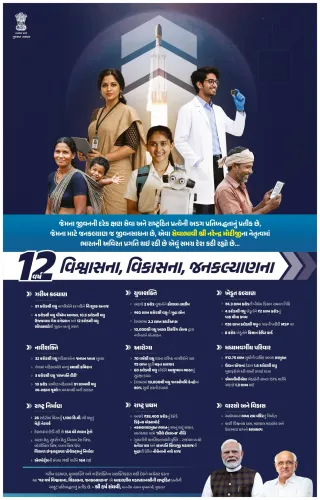
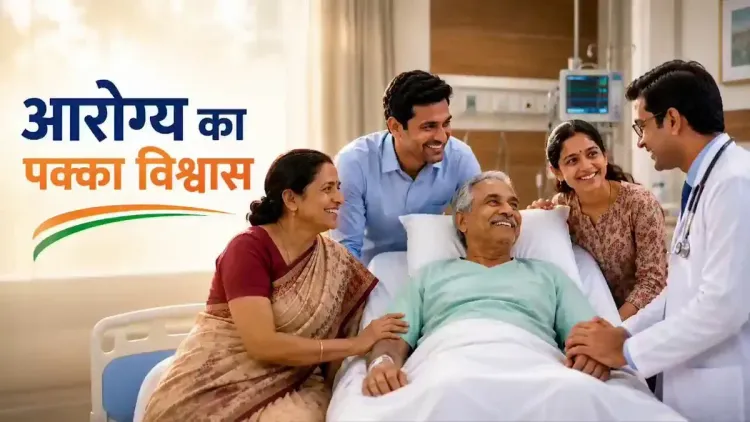
The Chief Minister's Office of Gujarat on Sunday, June 14, 2026, highlighted the development of a 'holistic healthcare ecosystem' built over the past 12 years under Prime Minister Narendra Modi, crediting it with ensuring quality health services for every citizen through targeted schemes, upgraded medical infrastructure, and a trained medical workforce.
The post, published in Gujarati, states: 'માનનીય વડાપ્રધાન શ્રી નરેન્દ્રભાઈ મોદીના નેતૃત્વમાં ગત 12 વર્ષમાં દેશમાં વિકાસ પામેલ હોલિસ્ટીક હેલ્થકેર ઇકોસિસ્ટમ' — translated: 'Under the leadership of respected Prime Minister Shri Narendra Modi, the holistic healthcare ecosystem developed in the country over the last 12 years has ensured quality health services for every citizen through various health-oriented schemes, excellent medical infrastructure, and trained medical manpower.'
Context
The communication marks 12 years of the Modi government at the Centre, a period during which India pursued an integrated approach to public health combining insurance coverage, facility upgrades, and expansion of medical education. The Gujarat CMO's post situates the state within this national narrative, underlining the role of centrally sponsored programmes in shaping health outcomes at the grassroots level.
The framing reflects a pattern seen across BJP-governed states, where state administrations amplify central health initiatives to reinforce the idea of cooperative federalism in service delivery.
Policy Backdrop
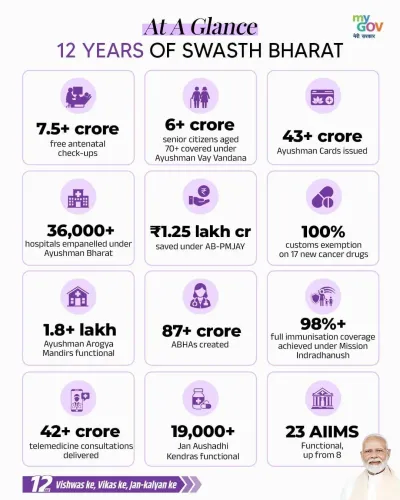
Ayushman Bharat Pradhan Mantri Jan Arogya Yojana (PM-JAY), launched in 2018, provides up to ₹5 lakh annual health cover to over 10 crore families, making it one of the world's largest publicly funded health insurance programmes. It is paired with the Ayushman Bharat Health and Wellness Centres initiative, which targets primary care at the community level.
The National Health Policy 2017 set a target of raising government health expenditure to 2.5% of GDP and achieving universal health coverage. Alongside this, the Pradhan Mantri Swasthya Suraksha Yojana has driven the establishment of new All India Institutes of Medical Sciences (AIIMS) campuses and the upgrading of government medical colleges to expand specialist training capacity across states including Gujarat.
Stakeholders and Impact
The primary beneficiaries of this ecosystem are Indian citizens — particularly those from lower-income groups who previously lacked access to secondary and tertiary care. Medical professionals and state health departments are also key stakeholders, as infrastructure expansion and workforce training directly shape the capacity of the public health system.
For Gujarat, increased hospital empanelment under PM-JAY and growth in medical college seats represent tangible outcomes of the Centre-state health partnership that the CMO's post underscores.
What's Next
Attention will now turn to state-level utilisation data for PM-JAY in Gujarat and any forthcoming announcements on new medical colleges or AIIMS expansions in upcoming Union Budget sessions or health ministry reviews. The post's accompanying video link is expected to elaborate on specific scheme achievements, offering a more granular picture of Gujarat's health delivery record under the national framework.
As the Modi government enters its second decade at the Centre, the degree to which the holistic health model translates into measurable improvements in health outcomes — including insurance claim settlement rates and reduction in out-of-pocket expenditure — will define the credibility of this ecosystem narrative.
Point of View
Citizen-first 'ecosystem' rather than a collection of individual schemes. By invoking PM-JAY, infrastructure expansion, and workforce development in a single breath, the messaging seeks to present a unified arc of governance achievement ahead of what is likely an electoral or anniversary communication cycle. The 'holistic' framing is strategically significant: it pre-empts critiques of siloed programme delivery by asserting systemic integration. Whether Gujarat's on-ground health metrics — out-of-pocket expenditure, claim settlement ratios, doctor-patient ratios — substantiate this narrative remains the key analytical question.
NationPress
14 Sept 2026
Frequently Asked Questions
What is the 'holistic healthcare ecosystem' mentioned by the Gujarat CMO?
It refers to the integrated health framework developed under PM Narendra Modi over 12 years, combining health insurance schemes like Ayushman Bharat PM-JAY, upgraded medical infrastructure such as new AIIMS campuses, and expansion of trained medical manpower to ensure quality care for all citizens.
What is Ayushman Bharat PM-JAY and who does it cover?
Ayushman Bharat Pradhan Mantri Jan Arogya Yojana, launched in 2018, provides up to ₹5 lakh annual health insurance cover to over 10 crore economically vulnerable families for secondary and tertiary hospitalisation.
How has medical infrastructure expanded in India under Modi's government?
The Pradhan Mantri Swasthya Suraksha Yojana has funded the establishment of new AIIMS campuses in multiple states and the upgrading of existing government medical colleges, significantly increasing specialist training and hospital capacity since 2014.
What does the National Health Policy 2017 aim to achieve?
The National Health Policy 2017 targets raising government health expenditure to 2.5% of GDP and achieving universal health coverage by strengthening preventive, promotive, and curative care across all states.
Why does Gujarat's CMO highlight central government health schemes?
State governments, particularly in BJP-ruled states, frequently amplify central health initiatives in their communications to demonstrate cooperative federalism — showing how national programmes translate into on-ground benefits for state residents.