Gujarat Shravan fairs to give 195 Sakhi Mandal women direct market access
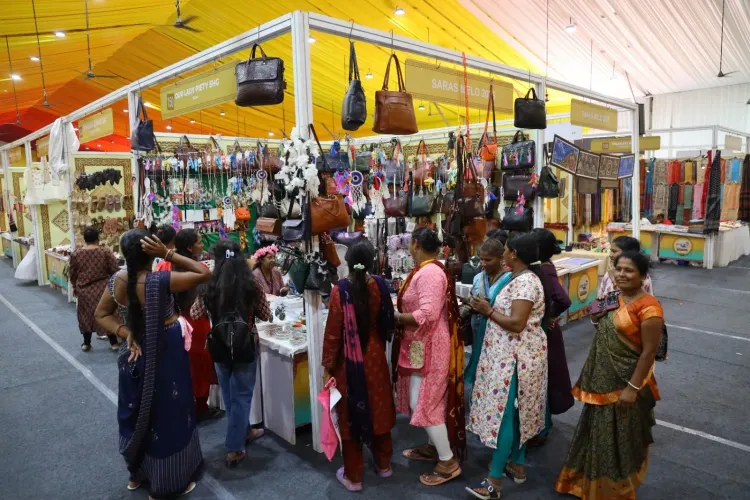
Synopsis
Gujarat is turning Shravan pilgrimage fairs into pop-up markets for rural self-help group women — 195 stalls, seven districts, zero cost to participants. It is a smart convergence of high-footfall religious events and the Centre's Lakhpati Didi push, but whether fair-season sales translate into year-round income remains the real test.
Key Takeaways
The Gujarat government will set up 195 stalls for Sakhi Mandal women at Shravan fairs from 26 August to 7 September 2025 .
Fairs span seven districts : Rajkot, Ghela Somnath, Porbandar, Gir Somnath, Devbhumi Dwarka, Bhavnagar, and Narmada.
Porbandar gets the largest allocation ( 65 stalls ); Rajkot Race Course fair receives 40 stalls .
GLPC provides stalls free of charge; the state also covers accommodation, food, and travel costs for participants.
The initiative supports the 'Lakhpati Didi' and 'Vocal for Local' campaigns; financial assistance cheques will be distributed at the fairs.
Women also receive interest-free loans for equipment and free skills training under the broader DAY-NRLM framework.
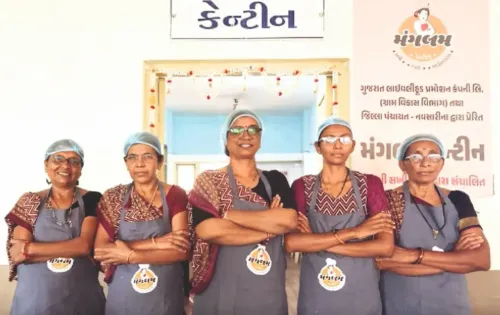
The Gujarat government is setting up 195 dedicated stalls for women associated with Sakhi Mandals at religious fairs across seven districts during the Shravan month, giving rural self-help group members a direct channel to sell their products to pilgrims and devotees. The initiative, running from 26 August to 7 September 2025, is part of the state's broader push to expand market access for women under the Deendayal Antyodaya Yojana-National Rural Livelihoods Mission (DAY-NRLM).
What the Shravan Festival Initiative Covers
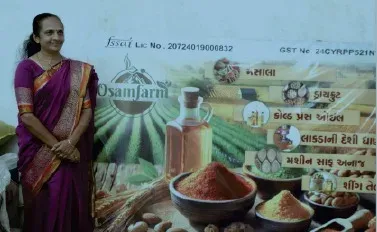
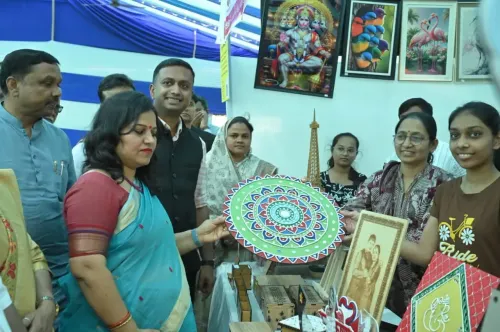
Branded the 'Shravan Festival' initiative, the programme spans fairs and religious events in Rajkot, Ghela Somnath, Porbandar, Gir Somnath, Devbhumi Dwarka, Bhavnagar, and Narmada district. Stalls will carry food products, handicrafts, handlooms, traditional clothing, puja materials, home-decor items, and other locally made goods produced by Sakhi Mandal members.
The Gujarat Livelihood Promotion Company Ltd (GLPC), operating under the state's Rural Development Department, will provide stalls free of charge. The government will additionally arrange accommodation, meals, and reimburse travel expenses so that participating women bear no out-of-pocket costs.
District-wise Stall Allocation
Porbandar has the highest allocation with 65 stalls, followed by Rajkot with 40 stalls at the Race Course fair (2–6 September). Gir Somnath and Devbhumi Dwarka will each receive 20 stalls, as will the Nishkalank Mahadev fair in Bhavnagar. Ghela Somnath — a historic Shiva temple in Jasdan taluka, Rajkot district — and Nilkanthdham, Poicha in Narmada district will each host 15 stalls. The Ghela Somnath fair opens on 26 August and runs for five days.
Connecting to 'Vocal for Local' and 'Lakhpati Didi'
The programme is designed to reinforce two flagship government campaigns: 'Vocal for Local', which promotes domestically produced goods, and 'Lakhpati Didi', which aims to help rural women earn at least ₹1 lakh annually. Financial assistance cheques will also be distributed to Sakhi Mandal women at the fairs as a direct incentive.
Beyond the fair-season push, the state government says it provides interest-free loans for equipment needed to produce handicraft items, along with free skills training to help rural women become economically self-reliant.
Broader Context: Rural Women and Self-Help Groups
Sakhi Mandals are women's self-help groups operating under the DAY-NRLM framework, a centrally sponsored scheme that channels credit and market linkages to rural households. Gujarat's decision to embed these groups into high-footfall religious fairs reflects a wider strategy of using existing cultural gatherings as ready-made retail platforms — reducing the marketing burden on producers who often lack urban distribution networks.
The initiative comes under the leadership of Chief Minister Bhupendra Patel, with officials framing it as a step toward strengthening women's economic participation in rural Gujarat. How effectively the stall revenues translate into sustained income beyond the festival season will determine the programme's longer-term impact.
Point of View
Marketing costs are near-zero, and the cultural context nudges buyers toward local and traditional goods. But the Shravan window is just 13 days, and the deeper question is whether these women have year-round sales channels or only seasonal ones. The Lakhpati Didi target of ₹1 lakh annual income cannot be met on festival revenue alone. Gujarat's interest-free loan and training infrastructure is a useful foundation, but without sustained marketplace access — digital or physical — the stall model risks being a photo-opportunity rather than a structural income shift.
NationPress
25 Aug 2026
Frequently Asked Questions
What is the Shravan Festival initiative for Sakhi Mandal women in Gujarat?
It is a Gujarat government programme that sets up 195 dedicated stalls for Sakhi Mandal women at religious fairs during the Shravan month, running from 26 August to 7 September 2025 across seven districts. The aim is to give rural self-help group members direct access to consumers without any cost to the participants.
Which districts are covered under the Gujarat Shravan fair stall programme?
The programme covers Rajkot, Ghela Somnath, Porbandar, Gir Somnath, Devbhumi Dwarka, Bhavnagar, and Narmada district. Porbandar has the highest stall count at 65, while Rajkot Race Course and Ghela Somnath together account for 55 stalls.
What products will be sold at the Sakhi Mandal stalls?
Stalls will feature food products, handicrafts, handlooms, traditional clothing, puja materials, home-decor items, and other locally made goods produced by self-help groups working under the DAY-NRLM framework.
Who bears the cost of stalls, travel, and accommodation for the women?
The Gujarat Livelihood Promotion Company Ltd (GLPC), under the Rural Development Department, provides stalls free of charge. The state government also arranges accommodation, meals, and reimburses travel expenses, so participating women incur no additional costs.
How does this initiative connect to the Lakhpati Didi programme?
The Lakhpati Didi programme aims to help rural women earn at least ₹1 lakh annually. The Shravan fair stalls are designed to boost direct sales income for Sakhi Mandal members, complementing interest-free equipment loans and free skills training already provided by the state.