Gujarat tests 6.91 lakh water samples in monsoon disease prevention drive
Synopsis
Gujarat has tested nearly 7 lakh drinking water samples, deployed 17,000-plus health workers, and distributed over 84 lakh chlorine tablets since mid-June — one of the state's most expansive monsoon health mobilisations in recent years. With pipeline repairs, mass medical camps, and city-level distribution drives running in parallel, the scale signals how seriously authorities are treating this season's disease-outbreak risk.
Key Takeaways
6.91 lakh drinking water samples tested for chlorination across Gujarat since 15 June .
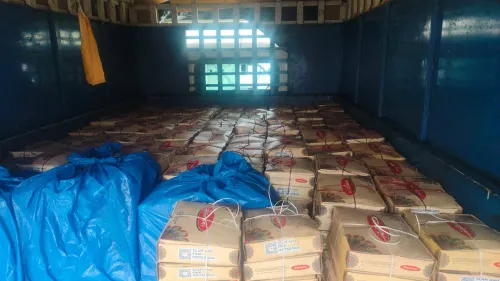
Over 84.38 lakh chlorine tablets distributed statewide to support water safety.
More than 2,500 drinking water pipeline leaks repaired to prevent contamination.
17,000+ medical and para-medical personnel deployed; 4,655 camps held, treating over 1.20 lakh patients.
Surat distributed 12.85 lakh chlorine tablets and 3.11 lakh ORS packets; Junagadh conducted 1,880 camps covering 37,943 patients.
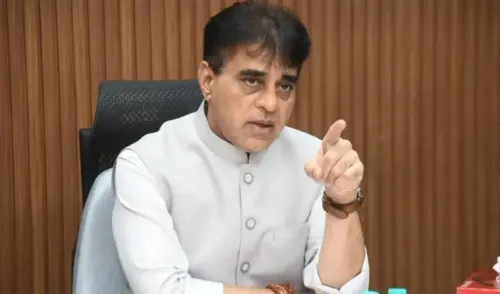
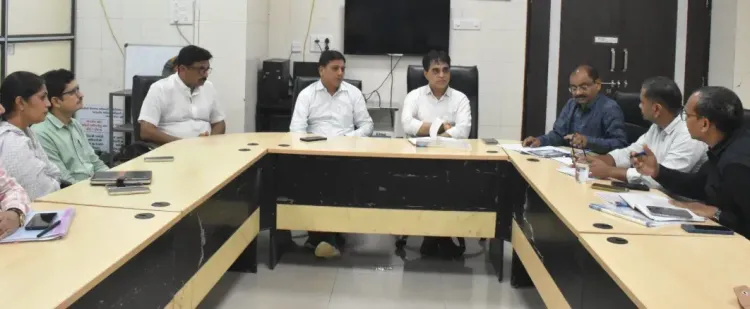
Drive is supervised by Minister of State for Health Praful Pansheriya .
Gujarat has launched a large-scale monsoon health offensive, with more than 6.91 lakh drinking water samples tested for chlorination and over 84.38 lakh chlorine tablets distributed across the state since 15 June, according to the state Health Department. The drive is aimed at containing water-borne and vector-borne disease outbreaks during the rainy season.
Scale of the Operation
The department has deployed more than 17,000 medical and para-medical personnel across districts, conducting 4,655 medical camps where over 1.20 lakh patients received health check-ups and treatment. Alongside the testing push, leaks in more than 2,500 drinking water pipelines have been repaired to prevent contamination at source.
City-Level Breakdown
In Ahmedabad Municipal Corporation limits, 477 medical and para-medical teams examined 12,972 patients, while 73,858 water samples were tested and more than 5.46 lakh chlorine tablets distributed. In Surat Municipal Corporation limits, over 12.85 lakh chlorine tablets and more than 3.11 lakh ORS packets were handed out as part of public health measures. Junagadh district recorded 1,880 medical camps, with 37,943 patients undergoing detailed health examinations.
Government Oversight
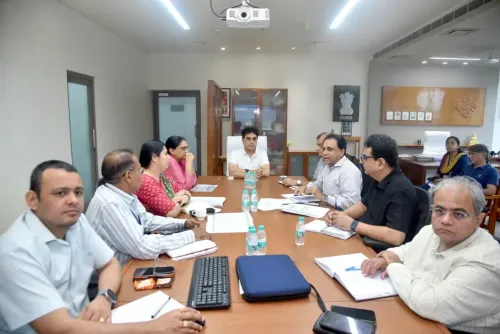
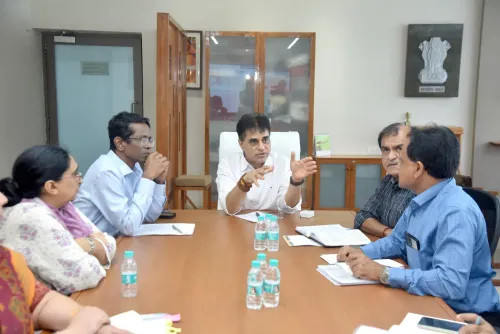
The measures are being carried out under the supervision of Minister of State for Health Praful Pansheriya. Health Department officials noted that the intensified response reflects the heightened risk of waterborne and vector-borne illnesses that typically accompanies the monsoon months in Gujarat.
Advisory to Citizens
The Health Department has urged residents to consume only boiled or chlorinated drinking water during the monsoon. Citizens experiencing any health symptoms have been advised to immediately visit the nearest Primary Health Centre (PHC) or government medical camp for timely intervention. This comes amid a broader national pattern of monsoon-linked disease spikes, with states across India stepping up surveillance every year between June and September.
Point of View
But the numbers tell only part of the story. Testing 6.91 lakh water samples and distributing 84 lakh chlorine tablets are inputs — what the Health Department has not yet published are outcome indicators: disease incidence rates compared to previous monsoon seasons, or the proportion of samples that failed chlorination standards. Without that data, it is difficult to assess whether the drive is working or merely working hard. Gujarat has faced recurring leptospirosis and cholera clusters in low-lying urban areas during past monsoons; whether this year's pipeline repairs and camp network are reaching those high-risk pockets is the question mainstream coverage is not asking.
NationPress
28 Jul 2026
Frequently Asked Questions
How many water samples has Gujarat tested during the monsoon season?
Gujarat has tested more than 6.91 lakh drinking water samples for chlorination since 15 June as part of its monsoon disease prevention drive. The testing is being conducted across districts statewide by the Health Department.
How many chlorine tablets have been distributed in Gujarat?
Over 84.38 lakh chlorine tablets have been distributed across Gujarat since 15 June. In Surat Municipal Corporation limits alone, more than 12.85 lakh tablets were distributed, along with over 3.11 lakh ORS packets.
How many medical camps has Gujarat organised this monsoon?
The Gujarat Health Department has organised 4,655 medical camps, where more than 1.20 lakh patients received check-ups and treatment. Over 17,000 medical and para-medical personnel have been deployed across districts for the drive.
Who is overseeing Gujarat's monsoon health measures?
The monsoon health drive is being conducted under the supervision of Minister of State for Health Praful Pansheriya . The Health Department is coordinating efforts across municipal corporations and districts statewide.
What precautions has the Gujarat government advised citizens to take?
The Health Department has advised citizens to drink only boiled or chlorinated water during the monsoon. Anyone experiencing health symptoms is urged to visit the nearest Primary Health Centre (PHC) or government medical camp immediately for treatment.