Himachal Pradesh and India Unite to Enhance Rural Water Supply with JJM 2.0 Agreement
Synopsis
On March 20, Himachal Pradesh signed a crucial MoU with the Government of India to launch JJM 2.0, aimed at revolutionizing rural drinking water services until December 2028. This initiative promises improved management, funding, and technology for clean water access across the state.
Key Takeaways
MoU signed between India and Himachal Pradesh for JJM 2.0.
Focus on enhanced rural drinking water services .
Implementation period extends until December 2028 .
Emphasis on structural reforms in water supply.
State committed to providing clean drinking water to all households.
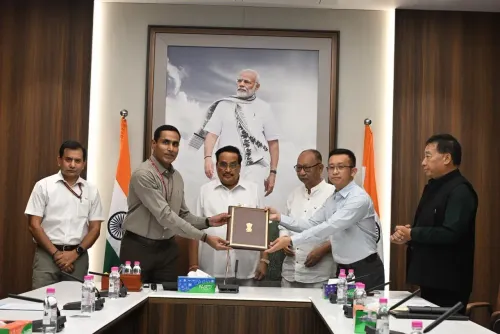
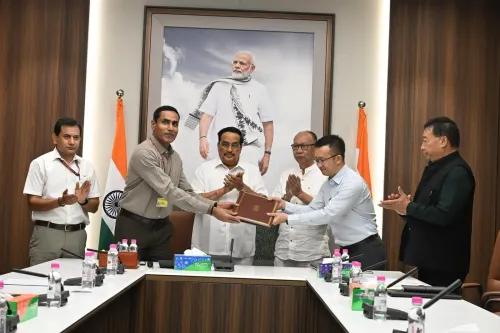
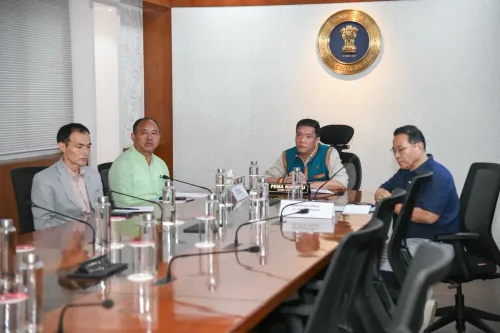
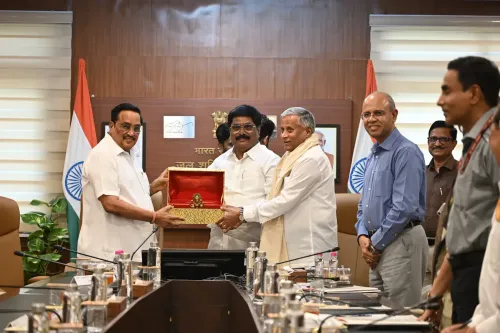
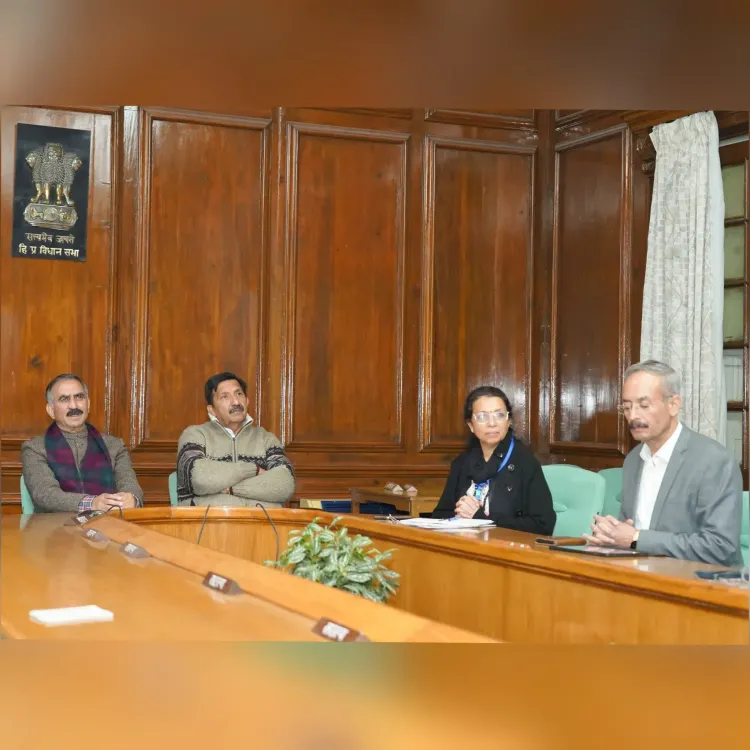
Shimla, March 20 (NationPress) In a pivotal advancement for the rural drinking water initiative, a memorandum of understanding was formalized on Friday between the Government of India and the Himachal Pradesh government in New Delhi concerning Jal Jeevan Mission (JJM) 2.0.
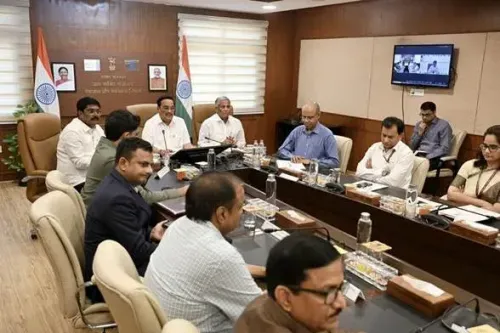
Prominent figures such as Chief Minister Sukhvinder Singh Sukhu, Deputy Chief Minister Mukesh Agnihotri, and Union Jal Shakti Minister C.R. Patil participated in the event via virtual means.
Representing the state, Secretary of Jal Shakti Vibhag, Abhishek Jain, was present, while the MoU was signed by Joint Secretary Swati Nayak on behalf of the Government of India.
The implementation of JJM 2.0 is set to continue until December 2028, featuring an increased budget and a restructured framework dedicated to structural reforms in the rural drinking water supply sector.
Currently, the focus is on all single village schemes (SVS), including those for which states and Union Territories have already made advance expenditures.
During the signing, Chief Minister Sukhu highlighted the challenging geographical conditions of Himachal Pradesh, arguing that the costs associated with construction in hilly terrains should not be compared to those in other states.
He expressed that the norms applicable to different states should not be enforced on Himachal Pradesh, stressing that the state government is proactively promoting the management and distribution of water supply schemes through Panchayati Raj Institutions.
Additionally, CM Sukhu called on the Union government to expedite the release of Rs 1,227 crore pending under JJM, noting that many projects are ready but payments are yet to be disbursed.
The Himachal Pradesh government is dedicated to providing clean drinking water to every household and is exploring modern technologies for water purification.
The extension of the Jal Jeevan Mission until December 2028, along with an increased financial allocation, aims to restructure and realign the program to ensure reliable service delivery, with a concentrated focus on functionality, water quality, source sustainability, and community ownership, establishing JJM 2.0 as a strong and sustainable national framework for rural drinking water services.
Point of View
JJM 2.0 is poised to set a benchmark for water supply management in hilly terrains.
NationPress
26 Sept 2026
Frequently Asked Questions
What is Jal Jeevan Mission 2.0?
Jal Jeevan Mission 2.0 is an initiative aimed at enhancing rural drinking water services in India, focusing on structural reforms and improved service delivery.
When is JJM 2.0 expected to be implemented until?
JJM 2.0 is set to be implemented until December 2028.
What is the budget for JJM 2.0?
The mission features an increased budget compared to the previous iterations of Jal Jeevan Mission.
Who represented the Himachal Pradesh government in signing the MoU?
Secretary Abhishek Jain represented the Himachal Pradesh government during the signing of the MoU.
What are the key focuses of JJM 2.0?
Key focuses include functionality, water quality, source sustainability, and community ownership.