HP CM Office: Kishau Dam to give state 211 MW free power
Synopsis
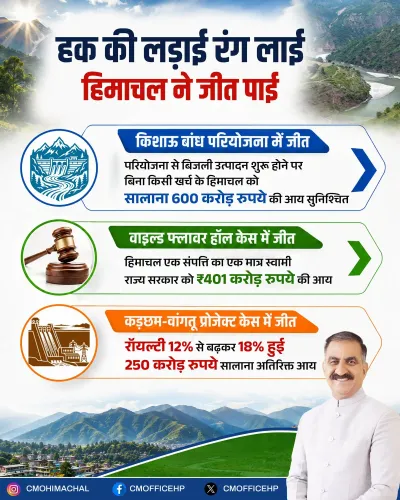
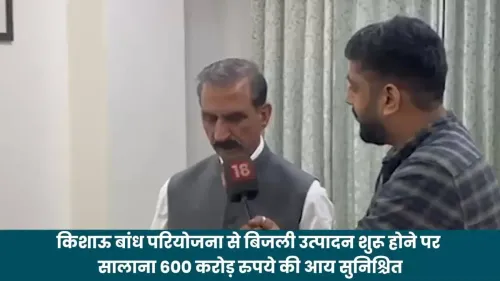
The Chief Minister's Office of Himachal Pradesh declared at a public rally in Neri Kalan, Kasauli, on 25 June 2026 that the long-pending Kishau Dam Project on the Tons River will deliver 211 MW of electricity to the state without any additional financial burden, resolving a dispute dating to the 1990s.
Key Takeaways
The Chief Minister's Office of Himachal Pradesh announced on 25 June 2026 that the state's interests in the Kishau Dam Project have been secured.
Himachal Pradesh will receive 211 megawatts of electricity from the project at no additional financial burden to the state.
The Kishau Dam is a multipurpose hydroelectric project on the Tons River , shared between Himachal Pradesh and Uttarakhand.
Inter-state negotiations over the project have been ongoing since the 1990s , making this a decades-long pending matter.
The announcement was made at a public rally at Neri Kalan in the Kasauli assembly constituency of Solan district .
Next steps include finalising the detailed project report, land acquisition, and formal agreements with Uttarakhand and the central government.
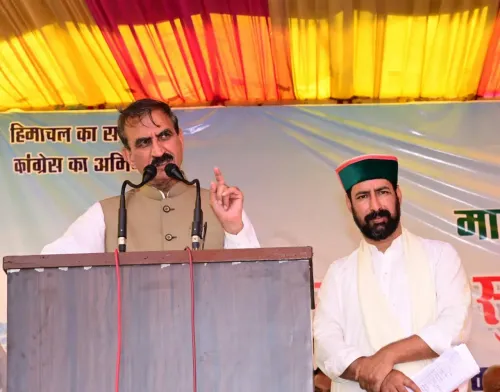
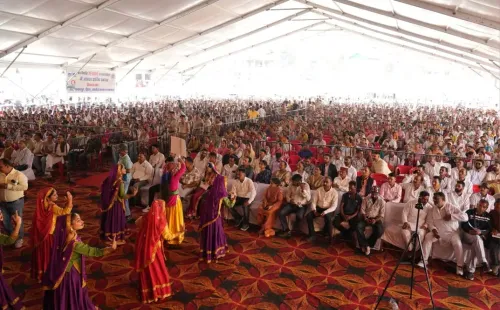
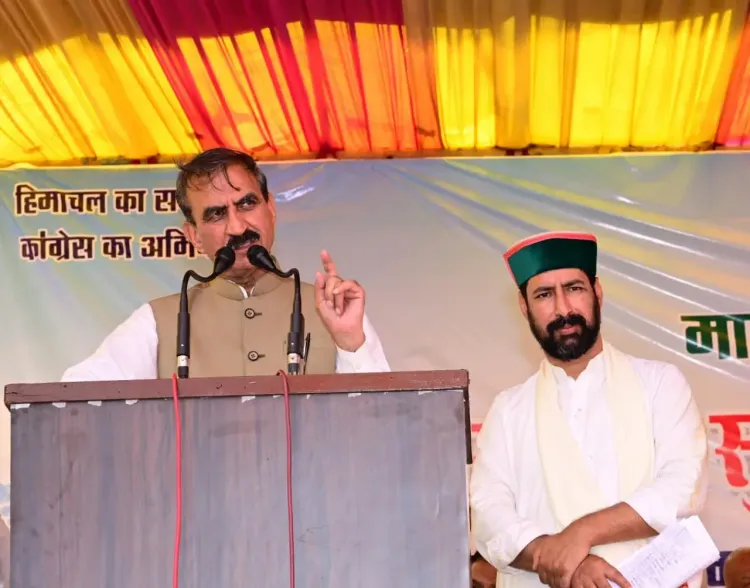
The Chief Minister's Office of Himachal Pradesh announced on Thursday, 25 June 2026 that the long-pending Kishau Dam Project has been resolved in the state's favour, with Himachal Pradesh set to receive 211 megawatts of electricity at no additional financial burden to the state exchequer. The announcement was made at a public rally (jansabha) held at Neri Kalan in the Kasauli assembly constituency of Solan district.
Context
Addressing the gathering, the Chief Minister's Office stated that the state's interests in the Kishau Dam Project have now been secured. The post read: 'Varshon se lambit Kishau Bandh Pariyojana mein Himachal Pradesh ke hit surakshit hue hain' — meaning 'Himachal Pradesh's interests in the long-pending Kishau Dam Project have been protected.' The rally at Neri Kalan served as the platform to communicate this development directly to residents of the region.
Policy Backdrop
The Kishau Dam Project is a multipurpose hydroelectric scheme proposed on the Tons River, which forms a natural boundary between Himachal Pradesh and Uttarakhand. Inter-state negotiations over power and water allocation between the two states have been ongoing since the 1990s, making this one of the longest-pending infrastructure disputes in the region. Delays have historically stemmed from disagreements over benefit-sharing, environmental clearances, and funding arrangements.
Himachal Pradesh's broader infrastructure strategy has consistently prioritised securing hydropower allocations from shared-river projects without adding to state debt. The 211 MW allocation — described as coming without any additional financial burden — fits squarely within that approach, leveraging central or joint-venture funding structures rather than state borrowing.
Stakeholders and Impact
Residents of Solan district and the wider Kasauli assembly constituency stand to benefit directly from improved power availability if the project moves to completion. The state's power utilities would receive a substantial new source of generation capacity, potentially easing supply pressures in a state that already depends heavily on hydropower for its electricity mix.
The announcement carries particular political significance for the Kasauli constituency, where the public rally was held. Communicating a resolution to a decades-old inter-state dispute at a local jansabha signals the government's intent to connect large-scale policy outcomes with ground-level constituents.
What's Next
The formal securing of Himachal Pradesh's share in the Kishau Dam Project will now need to be followed by progress on the detailed project report, land acquisition, and any supplementary memoranda of understanding with Uttarakhand or the central government. These steps will determine the timeline for actual power generation to begin and whether the 211 MW commitment translates into operational capacity. Observers will watch for any formal inter-state agreement or central notification that codifies the benefit-sharing terms announced at the rally.
Point of View
Allowing it to claim resolution of a dispute that has outlasted multiple administrations since the 1990s. Framing the 211 MW allocation as cost-free to the state is a deliberate messaging choice that addresses a persistent voter concern about debt-funded infrastructure. Choosing a local constituency rally as the venue — rather than a formal press conference — suggests the government sees this as an electoral asset in the Kasauli segment. However, the gap between a political announcement and actual project execution remains wide, and the absence of a confirmed inter-state agreement or central notification means scrutiny of the details will intensify in the weeks ahead.
NationPress
26 Jun 2026
Frequently Asked Questions
What is the Kishau Dam Project?
The Kishau Dam Project is a multipurpose hydroelectric scheme proposed on the Tons River, which flows along the border between Himachal Pradesh and Uttarakhand. It has been under negotiation for power and water allocation between the two states since the 1990s.
How much power will Himachal Pradesh get from the Kishau Dam?
Himachal Pradesh will receive 211 megawatts of electricity from the Kishau Dam Project, according to the announcement made by the Chief Minister's Office on 25 June 2026.
Will Himachal Pradesh have to pay extra for the Kishau Dam power?
No. The Chief Minister's Office stated that the 211 MW allocation will come without any additional financial burden to the state of Himachal Pradesh.
Where is the Kishau Dam located?
The Kishau Dam is proposed on the Tons River, which marks the boundary between Himachal Pradesh and Uttarakhand in northern India.
Where was the Kishau Dam announcement made?
The announcement was made at a public rally held at Neri Kalan in the Kasauli assembly constituency of Solan district, Himachal Pradesh, on 25 June 2026.